Global oil reserves hit record low as Middle East war strains supplies
Reserves approach an eight-year low ahead of peak summer travel season, driven by severe supply disruptions from the ongoing conflict in the Middle East.
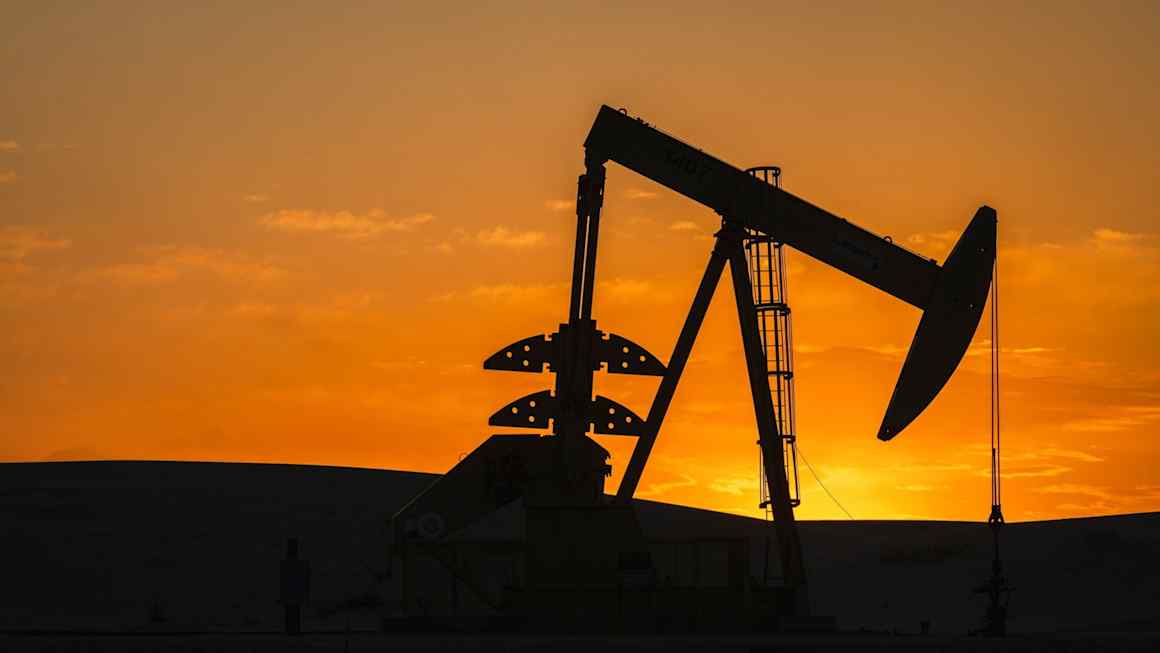
Global oil reserves have fallen at a record pace, with stock levels reaching a point near an eight-year low. This sharp decline is occurring despite a simultaneous collapse in global demand, creating a counter-intuitive trend in the energy markets.
The primary driver of this severe supply strain is the ongoing conflict in the Middle East, which continues to disrupt the flow of crude oil. Historically, a collapse in demand would lead to rising reserves; the current inverse relationship highlights the severity of the supply disruption caused by the war.
The market is currently approaching the peak summer travel season, a period that typically sees high consumption. However, stocks are trading at their lowest point in eight years, underscoring the magnitude of the supply constraints imposed by the regional instability.
Reporters note that the phrase collapse in demand is used broadly in current reporting, with specific quantitative data regarding the magnitude of this drop not provided in the available source material. Similarly, the term record pace refers to the rate of depletion relative to historical data rather than specifying the absolute volume of reserves lost in a single period.
The extent to which the collapse in demand will persist versus potential future rebounds remains undefined. Furthermore, the specific duration of the supply strain and its long-term impact on global energy security remain unclear as the situation evolves.
The Financial Times provided the primary figures regarding stock levels and the causal link between the Middle East conflict and these supply dynamics. Investors and institutions are now monitoring how these depleting reserves will influence pricing and policy in the coming months.