Global oil inventories face operational stress as Middle East tensions escalate and US-Iran ceasefire falters
Analysts warn OECD stocks could hit critical levels by June as the Strait of Hormuz remains effectively blocked and regional skirmishes intensify
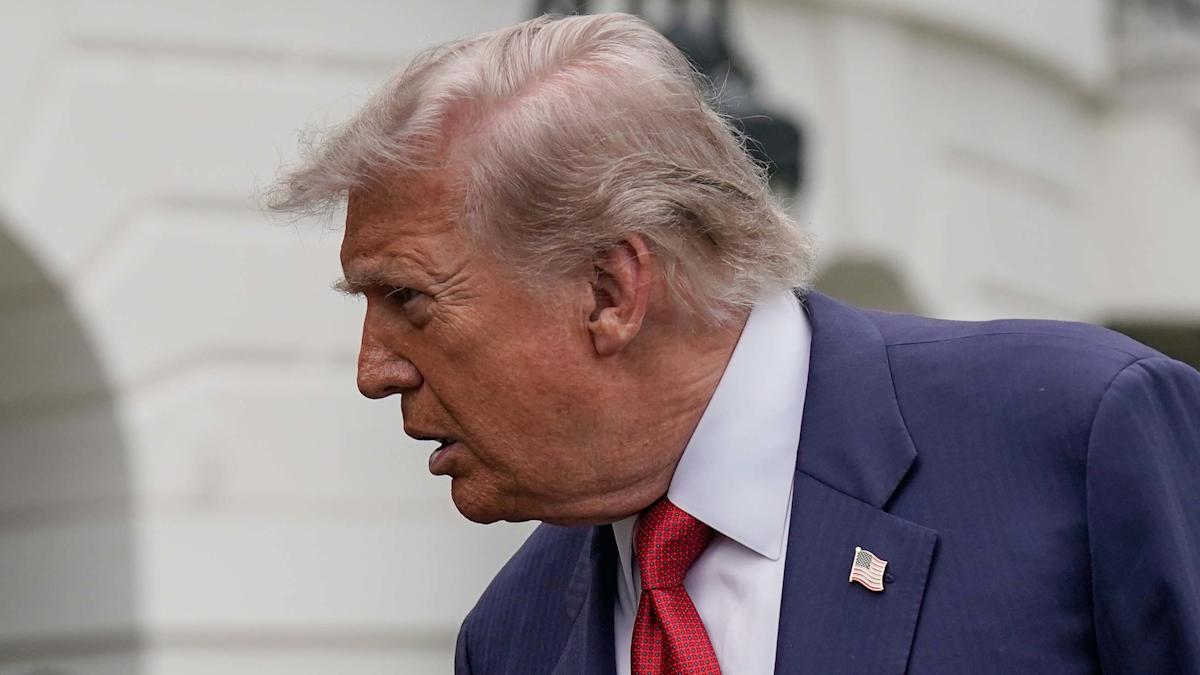
Oil prices surged 3.6 per cent on Tuesday, with Brent crude trading above $108 per barrel and US WTI crude exceeding $101.50, as geopolitical instability in the Middle East threatened global energy supplies. The rally followed President Trump's declaration that the US-Iran ceasefire agreement was "on life support," a statement made after he described Iran's response to a US peace proposal as "garbage." Concurrently, the Strait of Hormuz remained effectively closed to traffic, a critical chokepoint that continues to constrain the flow of approximately 20 per cent of the world's oil supply.
Tensions in the region have intensified following reports of direct military engagements. Kuwait confirmed a skirmish involving Iran's Revolutionary Guard Corps against an island within its territory, which the Kuwaiti Foreign Ministry condemned as a flagrant violation of sovereignty. Meanwhile, reports from the Wall Street Journal indicate that the United Arab Emirates has reportedly been conducting secret strikes against Iran, adding to the volatility in a market already sensitive to any sign of renewed aggression.
The closure of the strait has precipitated a rapid depletion of global inventories, prompting emergency measures from major economies. In an effort to dampen the price spike, the United States released 53.3 million barrels from its strategic petroleum reserve as part of a coordinated 172 million barrel release with the International Energy Agency. Despite these interventions, JPMorgan analysts warn that global OECD oil stocks are expected to reach operational stress levels by June, with the possibility of hitting operational minimums by September.
Institutional forecasts suggest the market faces significant headwinds regardless of a potential reopening of the waterway. Morgan Stanley analysts project that the market could lose another billion barrels over the remainder of 2026 due to the time required to restart fields, repair refineries, and reposition tanker tonnage. Saudi Aramco CEO Amin Nasser echoed these concerns, stating that the world could lose 100 million barrels of daily supply if the conflict continues unabated.
Global oil demand has already contracted significantly, falling by 2.8 million barrels per day in March and 4.3 million barrels in April, with further losses anticipated in May. The strain on supply has forced governments in Southeast Asia to implement shortened workweeks and fuel rationing, while European airlines have begun cutting noncritical flight routes. Even if the Strait of Hormuz were to reopen immediately, the logistical delays mean supply constraints would persist for months.
Energy analysts note that the binary status of the strait is evolving into a more complex reality. Arsenio Longo, founder of maritime risk intelligence firm HUAX, described the current situation as a "layered access system" where passage exists but is managed politically and selectively. As negotiations between Tehran and Washington remain deadlocked, the focus shifts to how this managed access will impact the broader global economy and energy security in the coming months.