Global EV market splits as US stagnation contrasts with international surge
While global sales exceed 20 million units with strong growth in China and emerging markets, US market share remains flat at 10% amid policy headwinds.
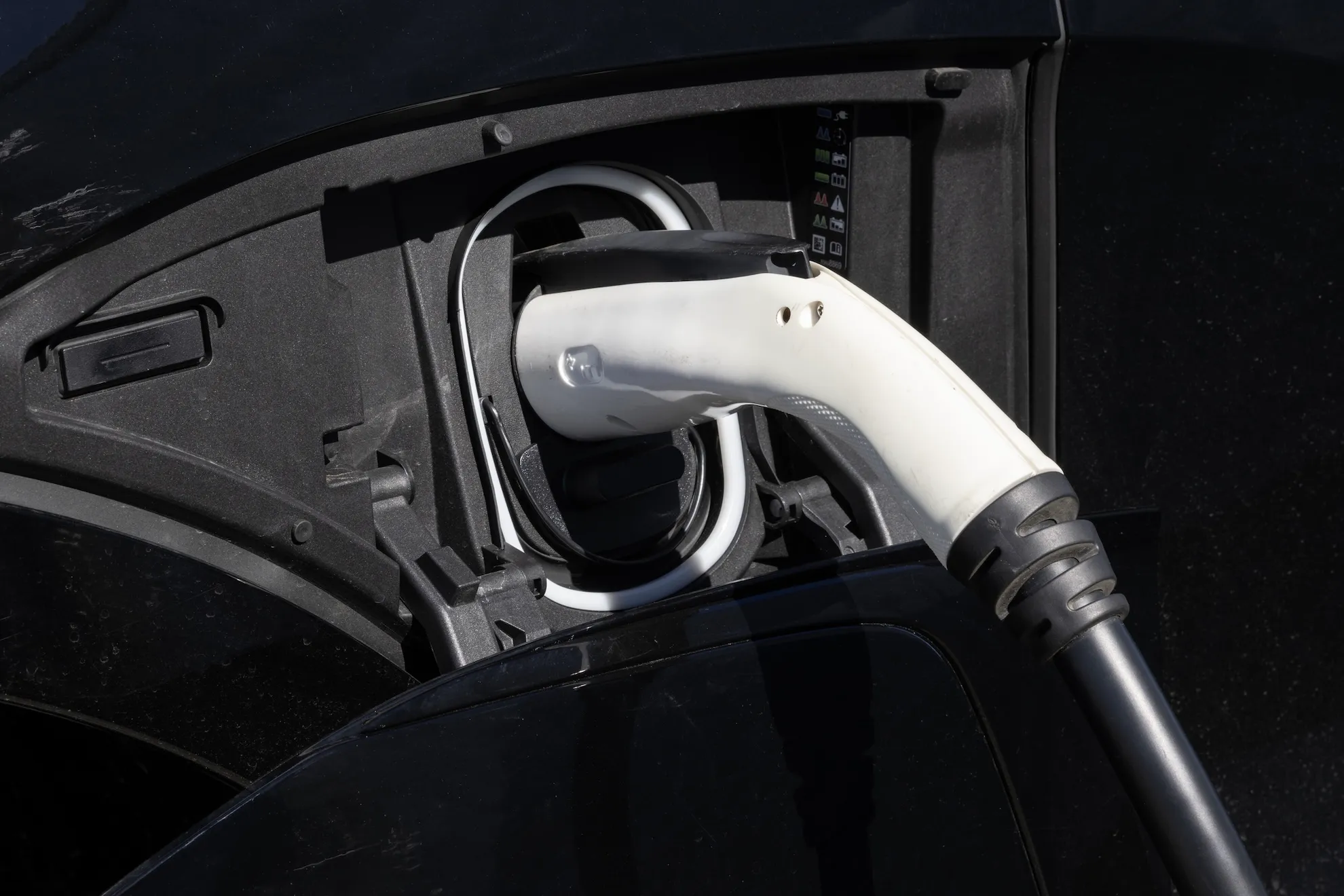
A new report from the International Energy Agency (IEA) reveals a stark divergence in the global electric vehicle market, describing a 'K-shaped' trajectory where international growth accelerates while United States sales stagnate. Global EV sales surpassed 20 million units last year, capturing 25% of the overall market. This expansion was driven by robust demand in China, Latin America, and Southeast Asia, contrasting sharply with the US market where EV share has remained flat at approximately 10%.
The IEA attributes the US slowdown to specific policy changes, including the repeal of tax credits under the One Big Beautiful Bill Act and restrictions limiting the entry of Chinese automakers. These regulatory hurdles have created a challenging environment for US-based startups such as Rivian and Lucid, which are heavily concentrated in the domestic market. Legacy automakers, while currently insulated by profits from fossil fuel vehicles, face long-term risks if they fail to adapt their EV strategies to shifting consumer expectations.
Conversely, Chinese manufacturers are driving the upper leg of the global EV curve through aggressive pricing and expanded manufacturing capacity. In China, nearly 55% of new vehicles sold were electric, with more than two-thirds priced lower than the average fossil fuel car. This affordability model has proven effective in emerging markets, where Latin American EV sales grew by 75% and Chinese brands captured more than half of the EV market in Southeast Asia.
The IEA notes that imports of affordable electric cars from China have lowered prices and boosted sales across many developing economies, challenging the theory that electric vehicles are too expensive for such markets. Chinese automakers exported more than 25% more vehicles than were purchased in foreign markets, leveraging state-supported manufacturing capacity that can fulfil 65% of global demand. Europe also saw significant inflows, importing over half a million Chinese EVs last year.
Despite potential trade friction, the structural advantages of Chinese production remain formidable. Gartner predicts that battery electric vehicles will become cheaper to manufacture than internal combustion vehicles as early as next year, even without subsidies. Meanwhile, the Trump administration’s efforts to steer the US market back toward fossil fuels face headwinds, as the market for traditional passenger vehicles peaked in 2017. The IEA warns that legacy automakers, such as Honda, which recently cancelled three EV projects, risk imperiling their global future by missing out on cost-reduction lessons and software-defined vehicle trends.
