Global equities slide as US-Iran tensions and sticky inflation weigh on markets
Wall Street indices fall as traders price in potential Federal Reserve rate hikes and geopolitical risk drives energy costs higher
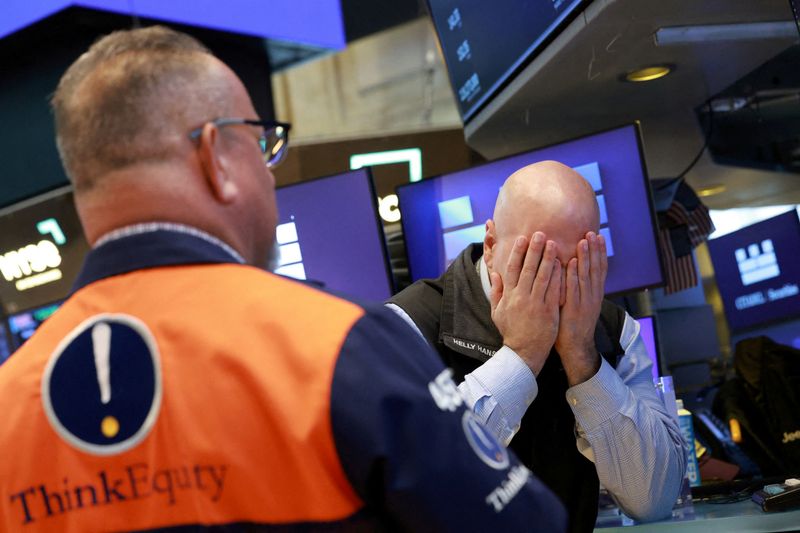
Global equity markets retreated on Wednesday as escalating military tensions between the United States and Iran collided with hotter-than-expected US inflation data. The MSCI global equities index fell 1.5%, with major US benchmarks including the S&P 500, Nasdaq, and Dow Jones recording losses ranging from 1.6% to 2.0%. The selloff was compounded by a continued unwinding of the artificial intelligence trade, which had previously driven significant market gains.
Oil prices extended their gains as hopes for a Middle East peace deal dwindled following exchanges of strikes and threats between the two nations. US crude settled up 2.1% at $90.03 a barrel, while Brent crude rose 1.8% to $93.10 per barrel. The rally was spurred after President Donald Trump threatened to attack Iran "very hard" if no agreement was finalised, and Fox News reported he was considering new strikes on Iranian infrastructure.
In response to the threats, Iran’s president characterised the US posture as a sign of desperation rather than strength. Meanwhile, US Energy Secretary Chris Wright contradicted earlier claims by the President, stating he was unaware of reports that the United States had seized millions of barrels of oil from Iran. The uncertainty has kept energy prices elevated, adding to inflationary pressures globally.
US consumer inflation rose 4.2% year-on-year in May, marking the fastest pace since April 2023 according to the Bureau of Labor Statistics. The data has led traders to adjust their expectations for monetary policy, with CME Group’s FedWatch tool showing a nearly 43% probability of a 25-basis-point rate hike by December, compared to less than a 32% chance that rates would remain unchanged.
On Wall Street, the S&P 500 declined 1.62% to close at 7,266.99 points, the Nasdaq fell 1.98% to 25,169.50, and the Dow Jones Industrial Average dropped 1.87% to 49,918.78. The CBOE Volatility Index, often referred to as Wall Street’s fear gauge, rose to 22.22, though it remained below its Tuesday intraday peak of 23.34.
Asian markets had already signalled risk aversion overnight, with the MSCI Asia-Pacific ex-Japan index falling 2.3% and South Korea’s KOSPI dropping 4.5% under pressure from AI stocks. In Japan, wholesale inflation accelerated in May at its fastest pace in three years, strengthening the case for further interest rate hikes by the Bank of Japan.
Gold prices fell 4.32% to $4,078.49 an ounce as investors moved away from safe-haven assets amid the market turbulence. US Treasury yields rose across the curve, with the 10-year note yield increasing to 4.548% and the 30-year bond yield rising to 5.0282%. The dollar index remained near flat at 100.01, while the yen weakened slightly against the dollar to 160.52.