Global crude benchmarks dip below $100 as U.S.-Iran tensions resurface
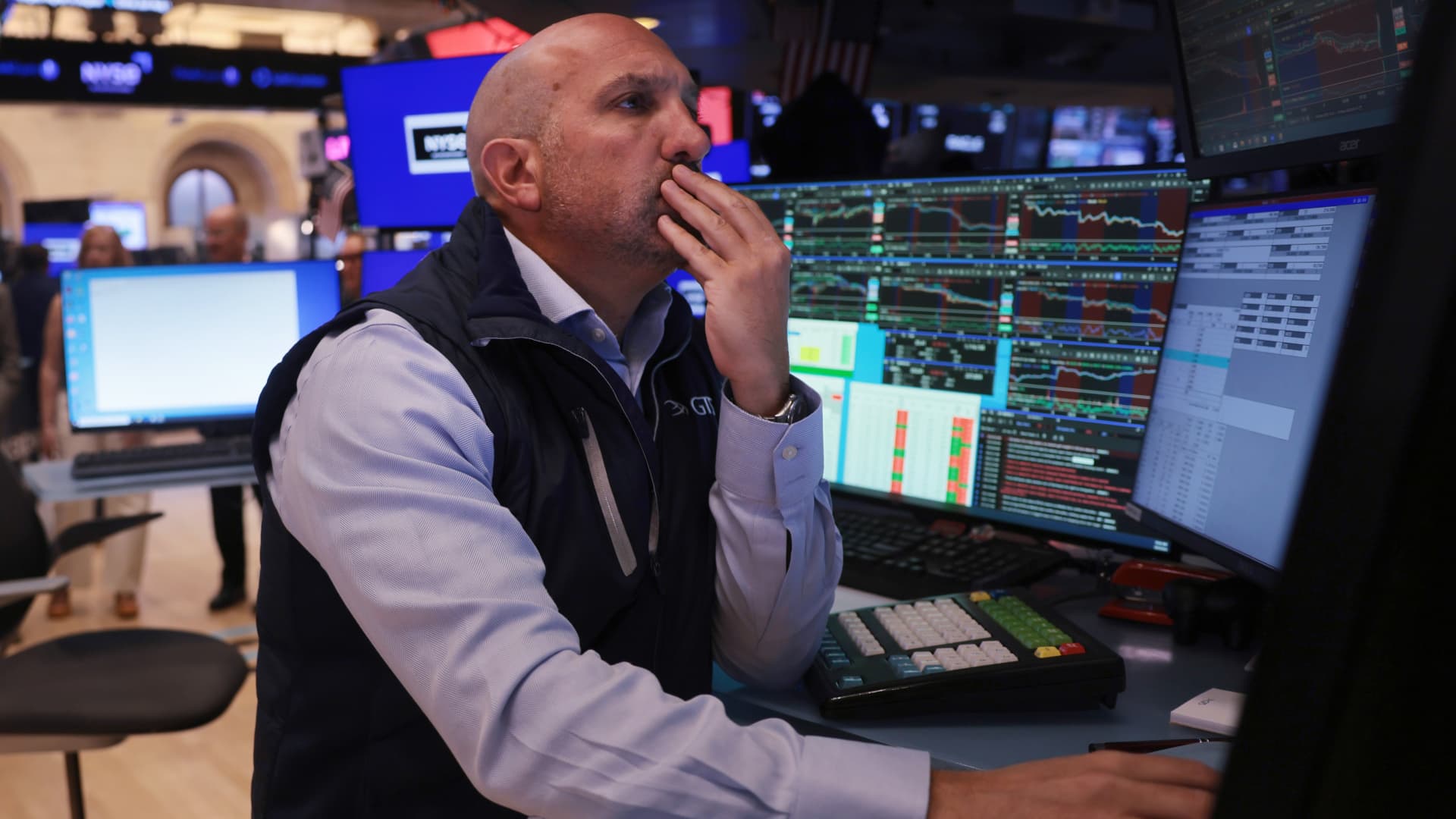
Markets react to the latest developments in the Middle East on Thursday, with traders closely monitoring potential disruptions to energy supplies flowing through the critical chokepoint.
Global crude benchmarks fell below the $100 per barrel threshold on Thursday, marking a significant shift in market sentiment driven by escalating diplomatic friction between the United States and Iran. The decline in prices occurred as investors rapidly assessed the latest developments in the Middle East, specifically focusing on the security implications for the strategically vital Strait of Hormuz.
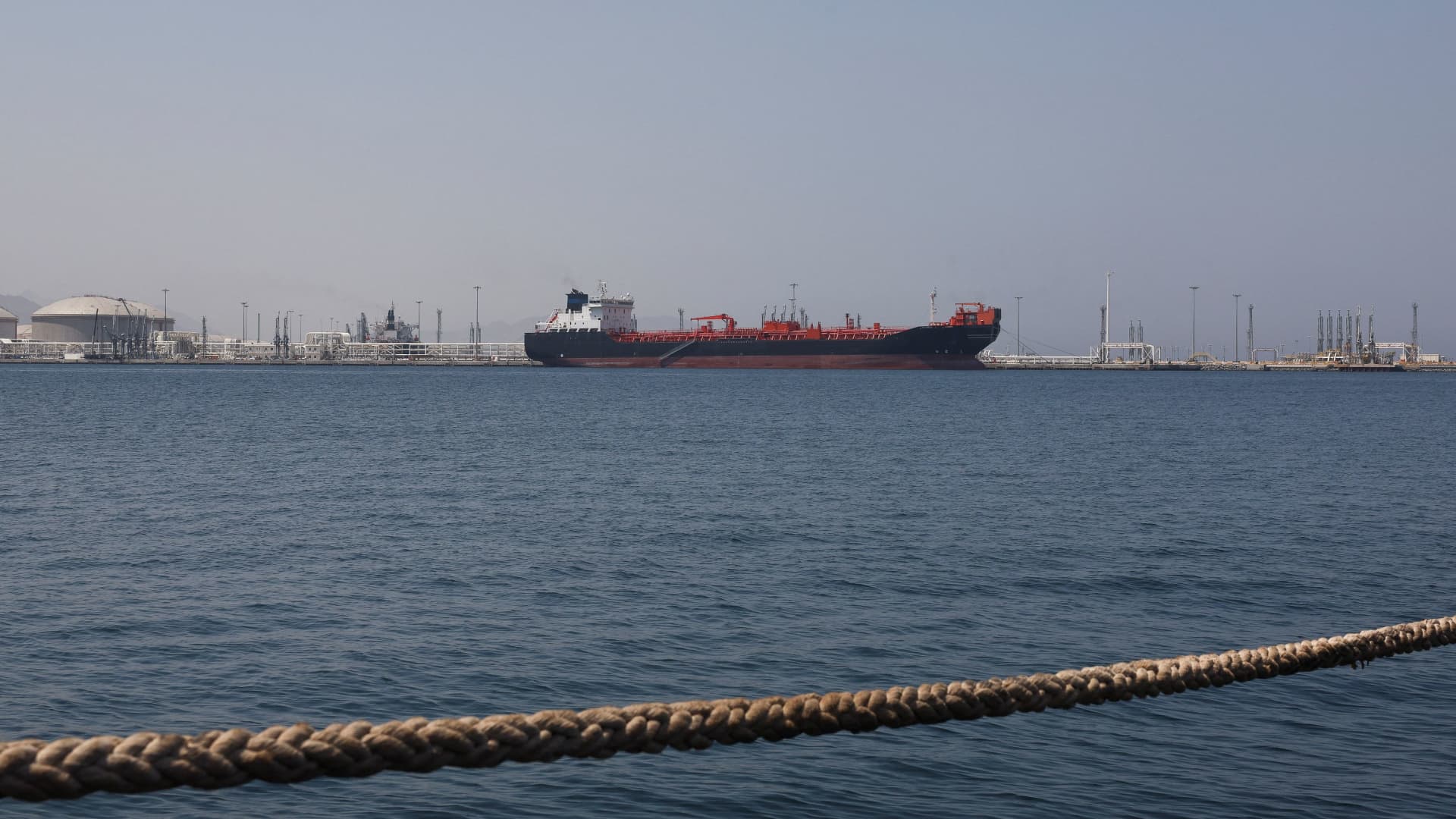
Traders are currently evaluating the risks posed to global oil supplies should the renewed tensions between the two nations lead to any disruption in this critical shipping lane. The Strait of Hormuz remains a fundamental chokepoint for international energy trade, and historical patterns indicate that geopolitical instability in the region often triggers immediate volatility in energy markets.
The specific nature of the renewed tensions between Washington and Tehran has not been detailed in the immediate reporting, leaving the precise catalyst for the market reaction somewhat vague. While the focus remains firmly on the potential for supply chain interruptions, the exact magnitude of the price drop in terms of percentage or specific dollar amounts has not been provided in the available data.
It remains unclear whether this downturn represents a temporary reaction to breaking news or the beginning of a sustained trend in oil pricing. Market participants will likely continue to watch for further clarification from primary diplomatic or military sources to determine the longevity of the current price pressures.
The movement underscores the continued sensitivity of global energy markets to geopolitical shifts in the Middle East. As the situation evolves, the Strait of Hormuz will remain the central point of analysis for institutions tracking the intersection of foreign policy and capital markets.