Global carriers reroute and suspend services as Middle East conflict reshapes aviation networks
The Iran war has triggered severe disruption across global aviation, forcing carriers outside the Gulf to reroute Europe-Asia corridors and prompting Middle Eastern airlines to ramp up capacity.
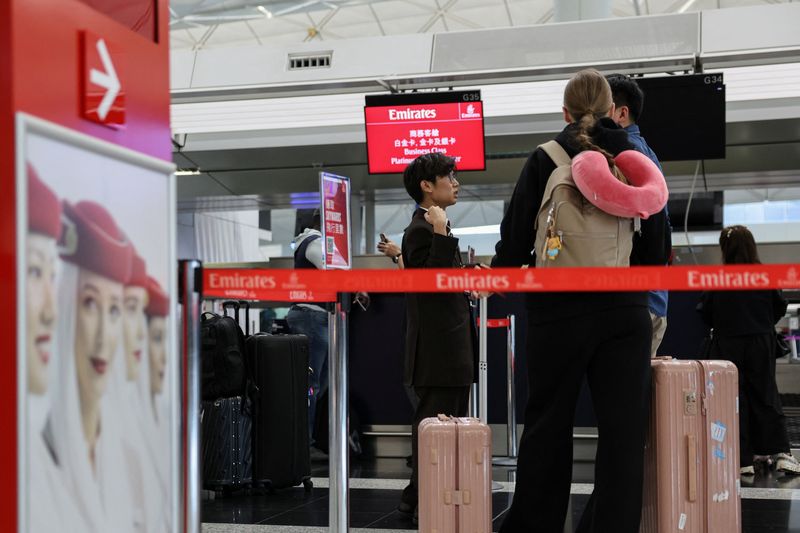
Airlines worldwide are cancelling or rerouting flights in direct response to the Iran war and the associated conflict in the Middle East. The geopolitical instability has forced a significant restructuring of global air networks, with carriers outside the Gulf region rerouting flights between Europe and Asia away from major regional hubs. In contrast, Middle Eastern carriers have ramped up capacity to manage the severe disruption and shifting passenger flows.
Major international carriers, including Air France, KLM, British Airways, Lufthansa, and Qantas, have suspended or adjusted services to key destinations such as Tel Aviv, Dubai, and Riyadh. These operational changes are not temporary; many suspensions are projected to last until mid-to-late 2026, indicating a long-term recalibration of route maps rather than a short-term adjustment.
The impact is visible across a broad spectrum of carriers. Air France has suspended flights to Tel Aviv until June 7, while also halting services to Beirut, Dubai, and Riyadh through late May and early June. KLM has extended its suspensions to Riyadh and Dammam until July 12, with Dubai services paused until August 2. Similarly, Lufthansa and its subsidiaries, including SWISS and ITA Airways, have suspended flights to Dubai until September 13 and extended suspensions to other regional cities such as Abu Dhabi, Amman, and Tehran until October 24.
British Airways, owned by International Airlines Group (IAG), has delayed the resumption of flights to Dubai, Doha, and Tel Aviv until August 1. The carrier plans to permanently drop Jeddah as a destination and reduce services to Dubai, Doha, Riyadh, and Tel Aviv to just one daily flight when operations resume. Other carriers, such as Air Canada and LATAM, have also cancelled flights to Tel Aviv and Dubai through September, reflecting the widespread nature of the disruption.
Amid these cancellations, Qantas is adjusting its strategy to meet shifting demand. The Australian flag carrier is adding flights to Rome and Paris to capitalise on an upswing in demand for European routes. Specifically, flights to Paris will increase from three to five return services per week, and the Perth-Singapore service will rise from daily to 10 flights a week. This strategic pivot highlights how airlines are realising capacity in regions less affected by the immediate conflict zones.