Glacier retreat in Alaska triggers record-breaking 500-metre tsunami
New research published in Science attributes the disaster to climate-driven glacial thinning and warns that rising tourism numbers are increasing exposure to such hazards.
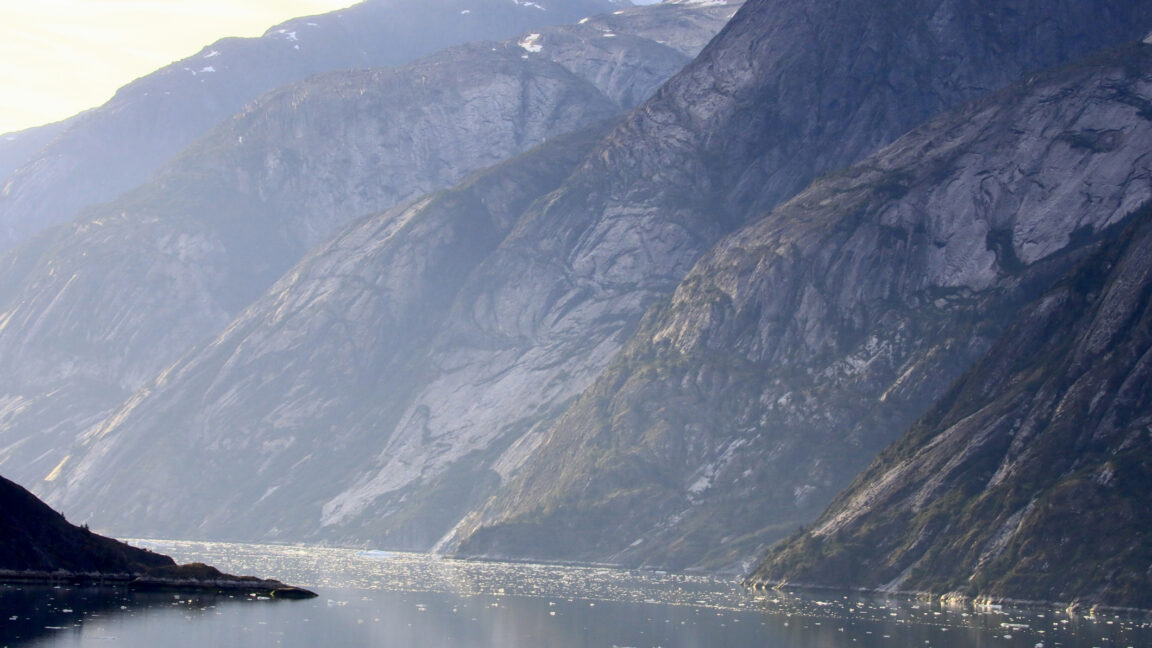
On 10 August 2025, a catastrophic rockslide in Alaska's Tracy Arm fjord generated a tsunami reaching heights of approximately 500 metres, the second-largest ever recorded. The event was triggered by the retreat of the South Sawyer Glacier, which lost significant structural support due to climate change between 2013 and 2022.
At 5:26 am local time, a wedge of rock with a volume of at least 63.5 million cubic metres detached from a mountain above the fjord. The falling mass plummeted into the deep waters at the terminus of the glacier, creating an initial 100-metre breaking wave that surged up the opposite shoreline to a height of 481 metres above sea level.
A study published in Science in 2026 by researchers including Aram Fathian of the University of Calgary utilised satellite imagery and seismic data to reconstruct the disaster. The team identified the root cause as the glacier thinning by 100 to 130 metres during the previous decade, which removed the ice that had been bracing the rock slope.
While the landslide released energy equivalent to a magnitude 5.4 earthquake and created a standing wave that reverberated for 36 hours, no fatalities occurred because the event happened early in the morning when the fjord was largely empty. The collapse was preceded by precursory seismic activity, with micro-earthquakes intensifying from hourly occurrences to every 30 to 60 seconds in the hours leading up to the failure.
Despite the lack of injuries, the surge displaced vessels up to 85 kilometres away, physically lifting a cruise boat three metres out of the water. Researchers note that while the event was a near-miss, the increasing number of cruise ship passengers in Alaska heightens future risks, with visitor numbers rising from one million in 2016 to 1.6 million in 2025.
The researchers hope their findings will provide scientific tools to predict such events in advance, noting that similar conditions exist in locations worldwide including Canada, New Zealand, and Norway. The goal is to translate data on precursory warning signals into practical measures for policymakers and regulators.
