Georgia and Nebraska halt scheduling with Texas Tech following Sorsby injunction
A court order restoring Brendan Sorsby’s eligibility has triggered immediate scheduling boycotts from Georgia and Nebraska, while conference commissioners weigh league-wide mandates and potential NCAA appeals.
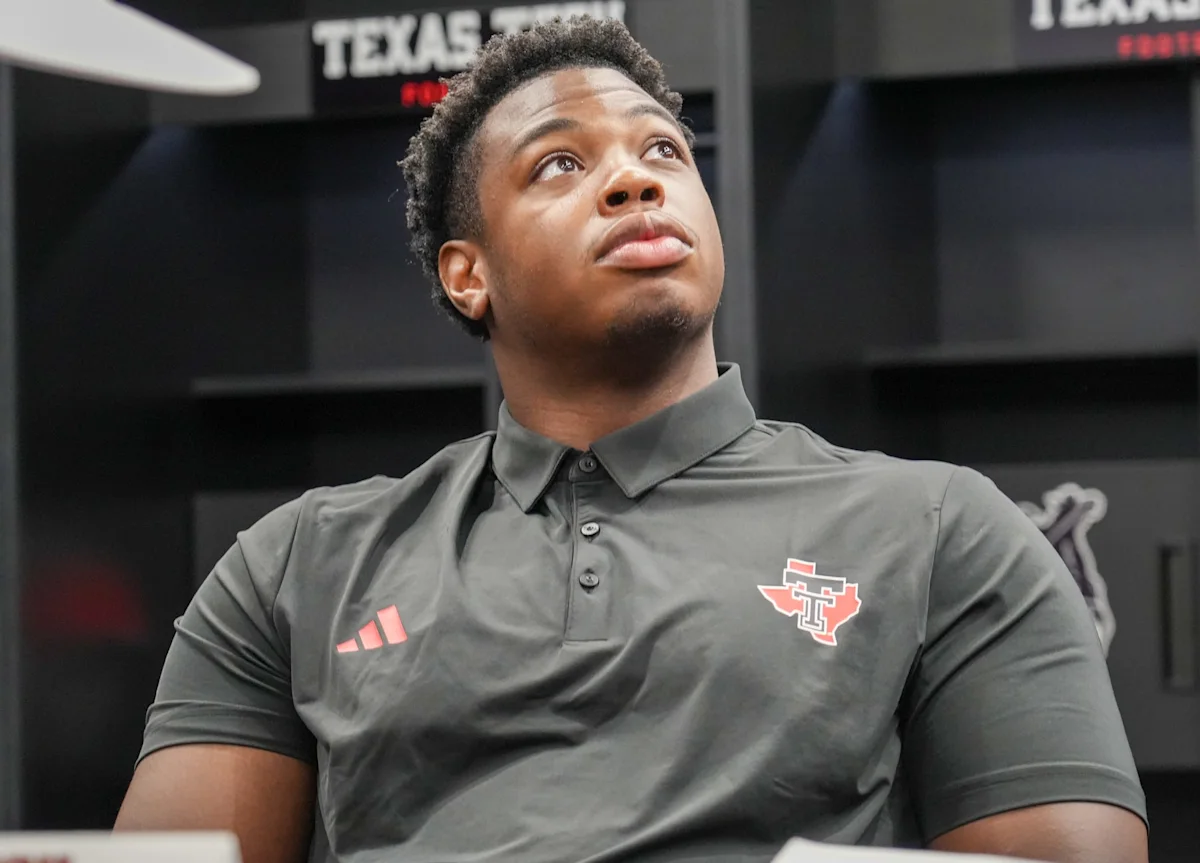
Athletic directors at the University of Georgia and the University of Nebraska have instructed their respective staff not to schedule Texas Tech in future athletic competitions. The decision follows a temporary injunction granted by retired Lubbock judge Ken Curry, which restored Brendan Sorsby’s eligibility for the 2026 college football season. The move marks the first concrete institutional response to a ruling that has destabilised the enforcement landscape for college athletics.
Nebraska athletic director Troy Dannen confirmed to CBS Sports that the university is not scheduling Texas Tech moving forward. Georgia athletic director Josh Brooks issued a memo to staff condemning the approach taken by Texas Tech, stating that true integrity means holding a program accountable rather than buying custom legislation or running to a local courtroom to bypass rules. Both institutions have directed their sport administrators to halt any ongoing scheduling conversations with the Red Raiders.
The legal intervention came after the NCAA ruled Sorsby permanently ineligible earlier this year, following his admission to placing thousands of bets over four years, including multiple wagers on his own team while redshirting at Indiana. Judge Curry determined that Sorsby would suffer probable, imminent, and irreparable injury if barred from participating while his gambling case proceeds through the legal system.
Under the terms of the injunction, Sorsby will sit out Texas Tech’s first two games of the 2026 season against Abilene Christian and Oregon State. He becomes eligible for the Big 12 opener against Houston on 18 September. The ruling has prompted immediate scrutiny from conference leadership, with the Big Ten expected to discuss a league-wide mandate against scheduling Texas Tech.
Big 12 commissioner Brett Yormark stated that the ramifications of the ruling are significant and could have broad impacts across college athletics. Yormark confirmed consultations with key stakeholders and meetings with the conference’s athletic directors and executive board, noting that the NCAA is anticipated to appeal the order within 24 to 48 hours.
Other athletic directors have expressed strong concerns regarding the precedent set by the court. Utah athletic director Mark Harlan described Sorsby’s actions as clear violations of NCAA policies and ethical guidelines. Florida athletic director Scott Stricklin compared the situation to the Black Sox Scandal, emphasising the fundamental tenet that participants cannot gamble, especially on their own team.
Within the Big 12, informal discussions are underway among member schools regarding the potential to boycott Texas Tech in 2026. TCU athletic director Mike Buddie and Kansas State AD Gene Taylor indicated that multiple schools are entertaining the idea, though no formal discussion has occurred. The situation has evolved from an isolated eligibility dispute into a national debate on institutional accountability and the power of the NCAA as an enforcement arm.