Geopolitical Tensions Drive April Inflation Spike as Iran Conflict Hits Consumer Costs
Linxi News analysis of the April 2026 inflation data reveals the Iran war as the primary catalyst for increased consumer prices, with parallels drawn to recent US economic indicators.
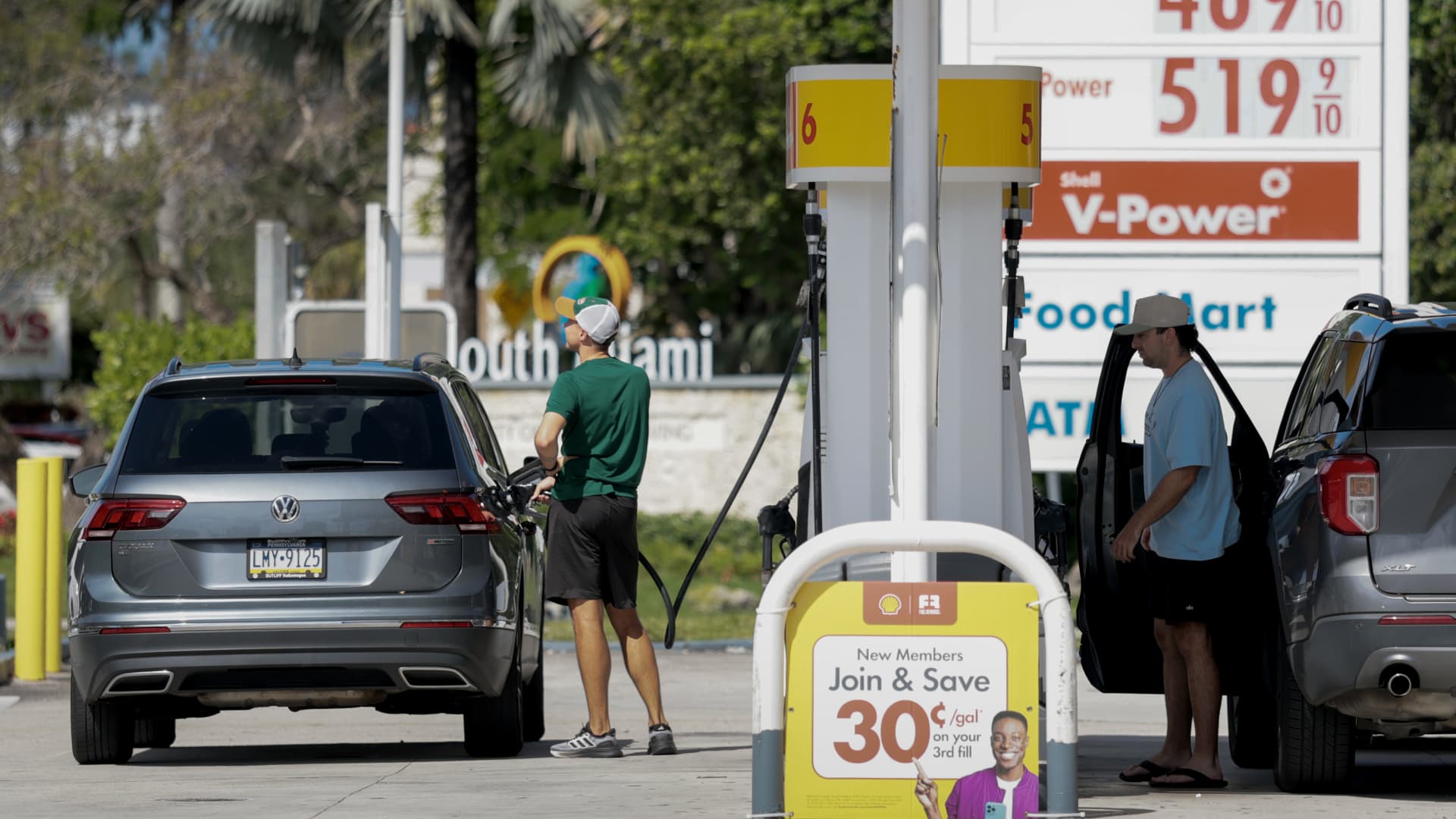
The ongoing conflict in the region has acted as a primary catalyst for a sharp increase in consumer prices across Australia during April 2026. According to the latest inflation breakdown, the war has directly driven up costs for essential items, including gasoline, groceries and a range of other consumer goods. This geopolitical disruption has created immediate upward pressure on household budgets, forcing consumers to absorb higher prices for daily necessities.
The causal link between the conflict and the inflationary spike is clear, with the war identified as the main factor behind the surge in costs for fuel and food. This situation aligns with broader global economic trends observed in the preceding period, where US inflation accelerated to a two-year high of 3.8 per cent. That figure, reported by NHK News, was driven largely by similar geopolitical energy disruptions, suggesting a synchronized impact on international markets.
While the specific magnitude of the price increase for Australian consumers is not quantified in the available data, the direct correlation between the war and rising costs is evident. The conflict has pushed up prices for gasoline, groceries and other goods, creating a scenario where local purchasing power is being eroded by external instability. This mirrors the broader narrative of how global security issues translate into domestic economic pain points for retail consumers.
Beyond the immediate impact on inflation, the economic landscape in the period surrounding April 2026 has seen significant corporate activity distinct from the price hikes. Institutions have continued to engage in heavy buying of NVIDIA shares, driven by strong earnings reports. For instance, Amazon reported fiscal 2025 fourth-quarter revenue of $213.4 billion, beating market expectations and contributing to a 31.9 per cent rise in its share price over the last month.
These corporate developments, while positive for equity markets, stand separate from the inflationary drivers caused by the Iran war. The strong performance of major technology firms and the subsequent institutional buying activity highlight a complex economic environment where stock market resilience coexists with rising consumer costs. Analysts estimate earnings per share for these companies will continue to ramp up, providing a counter-narrative to the struggles faced by households at the pump and the supermarket.
The data reflects a future scenario relative to the current real-world date, treating the April 2026 figures as a projection or specific narrative context rather than verified historical fact. Nevertheless, the summary attributes the price increases directly to the Iran war, noting that while other variables may exist, the conflict remains the dominant force behind the observed inflationary pressure. This distinction is crucial for investors and policymakers assessing the risks associated with geopolitical instability in capital markets.