General Motors rolls out Google Gemini AI to four million vehicles
An over-the-air update brings the new conversational interface to eligible Cadillac, Chevrolet, Buick and GMC models, replacing the legacy Google Assistant.
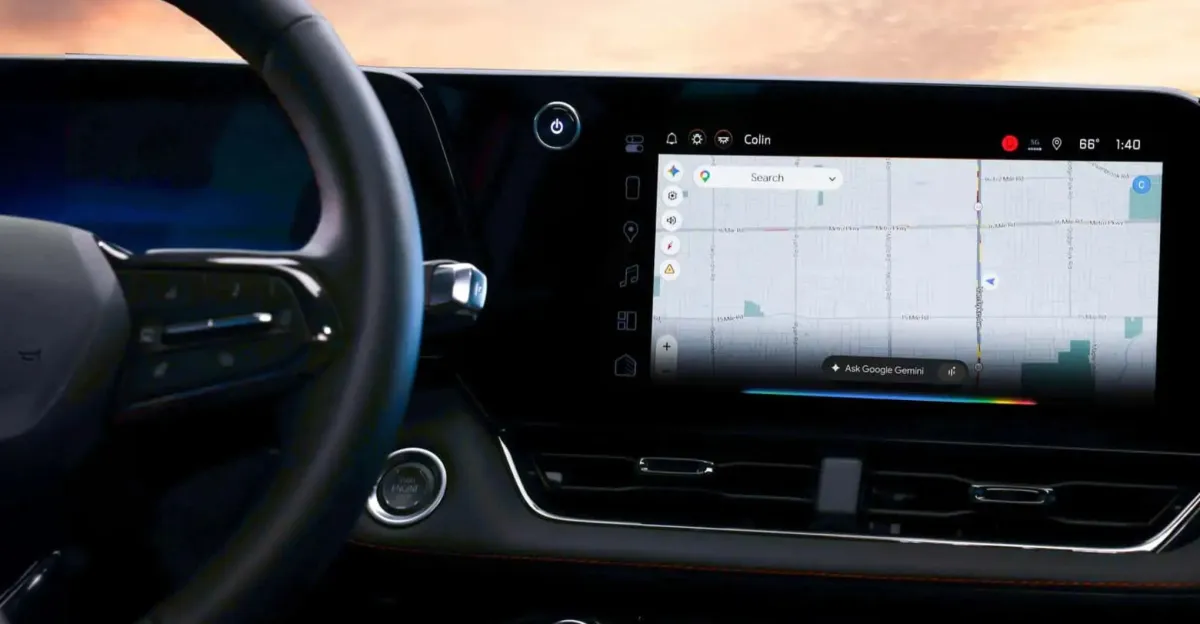
General Motors has announced the deployment of Google's Gemini AI assistant to approximately four million vehicles across the United States. This significant rollout targets model year 2022 and newer Cadillac, Chevrolet, Buick, and GMC vehicles that are equipped with built-in Google services. The update, which will be delivered via over-the-air software, represents one of the largest deployments of Gemini within the automotive industry.
The new system replaces the existing Google Assistant with a more intuitive interface designed to offer a more conversational experience. Unlike the previous command-based system, Gemini allows users to interact naturally to send messages, request navigation, and receive music suggestions. The update is scheduled to occur over several months, gradually reaching eligible vehicles through the automaker's infotainment system.
Simultaneously with the AI announcement, GM reported that customers in nearly 750,000 Super Cruise-enabled vehicles have collectively driven one billion hands-free miles. This milestone highlights the growing adoption of the advanced driver-assist system, which permits drivers to take their hands off the steering wheel on compatible road networks in the US and Canada. While Super Cruise is not fully autonomous, the figure underscores the system's reliability and usage among drivers seeking to reduce fatigue on long journeys.
Regarding the scope of the Gemini integration, the assistant will initially launch in US English. General Motors indicated that there are plans to expand support to additional markets and languages over time, though the specific timeline and regions for this expansion remain undefined. The company notes that the full extent of Gemini's capabilities may vary depending on the specific hardware and software versions present in individual vehicles.
This deployment marks an evolution in how major automakers integrate generative AI into daily driving experiences. By upgrading millions of existing vehicles, GM aims to demonstrate the value of continuous software improvement without requiring consumers to purchase new hardware. The move also places the automaker in direct competition with other industry leaders who are aggressively pursuing similar levels of in-vehicle intelligence and autonomy.
