Gen Z Redefines Truth as Algorithmic 'Influence Engines' Replace Institutional Evidence
As AI-generated content and engagement-driven platforms reshape reality, young people are developing a distributed verification system that correlates with rising mental health issues but also fuels collective action.
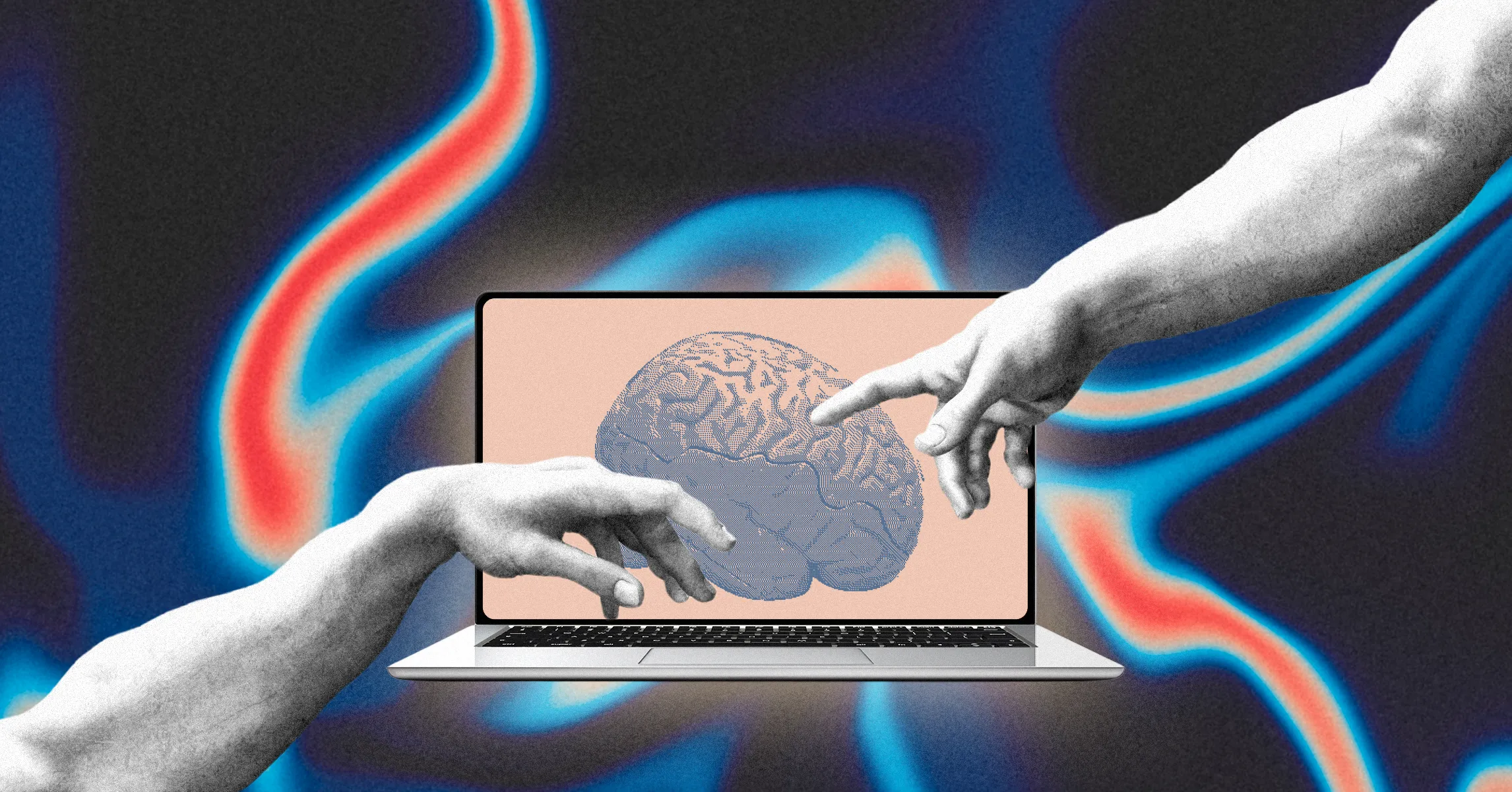
Generation Z, the first cohort to mature in the smartphone era, is establishing a distinct epistemology that filters reality through identity, emotion, and social validation rather than traditional institutional evidence. This shift, detailed in Steven Rosenbaum’s 2026 book *The Future of Truth: How AI Reshapes Reality*, marks a departure from shared public truth toward personalised, algorithmically reinforced realities. The transition coincides with a documented rise in adolescent anxiety and depression, with large-scale surveys from the United States, United Kingdom, Canada, Australia, and Europe showing steep increases in depressive symptoms and social withdrawal between 2012 and 2014.
The structural driver of this change is the algorithmic platform, which New York University professor Scott Galloway describes as an "influence engine" where engagement has replaced human judgment. These platforms prioritise attention and emotional reaction over accuracy, creating feeds where climate reports, memes, and conspiracy theories compete equally for visibility. Galloway notes that these systems do not crawl for the best content but rather optimise for the comments section, effectively dissolving the boundary between factual reporting and emotional performance.
In response to this environment, young people have developed what researchers term a "distributed verification system." A 2023 study by Google researchers introduced the concept of "information sensibility," observing that Gen Z encounters information passively and engages in collaborative interpretation. Peer networks function as real-time editorial boards, stress-testing information against shared lived experience. This social negotiation of truth stands in contrast to older models of media literacy that relied on individual source verification, reflecting a collective approach where credibility is determined by social solidarity and emotional resonance.
The proliferation of AI-generated content, including deepfakes and cloned voices, has accelerated the dissolution of the line between real and synthetic media. Emma Lembke, director of Gen Z Advocacy at the Sustainable Media Center, warns that the danger is no longer merely misinformation but the manufacturing of fake realities at scale. Lembke, whose nonprofit is directed by Rosenbaum, argues that the profit-driven attention economy has shaped a generation’s everyday life, leaving young people to navigate pre-curated, emotionally optimized feeds without institutional guidance.
Despite the correlation with mental health challenges, this new framework has fostered significant collective action. Climate activist Xiye Bastida has argued that social media allows for an emotional understanding of crises through human stories, a sentiment echoed in her 2020 TED Talk. The Fridays for Future movement, which began with a solitary protest in Sweden, spread through emotional resonance and peer sharing rather than institutional endorsement. As journalist Maria Ressa noted in her Nobel Prize acceptance speech, the erosion of shared facts threatens trust and democracy, yet Gen Z appears to be building a new, socially negotiated sense of credibility to replace lost gatekeepers.
