Gaza Residents Turn Rubble Into Interlocking Bricks Amid Reconstruction Crisis
Led by Suleiman Abu Hassanin, the project offers a 50 to 60 per cent cost reduction and improved insulation, though it faces significant technical and funding hurdles.
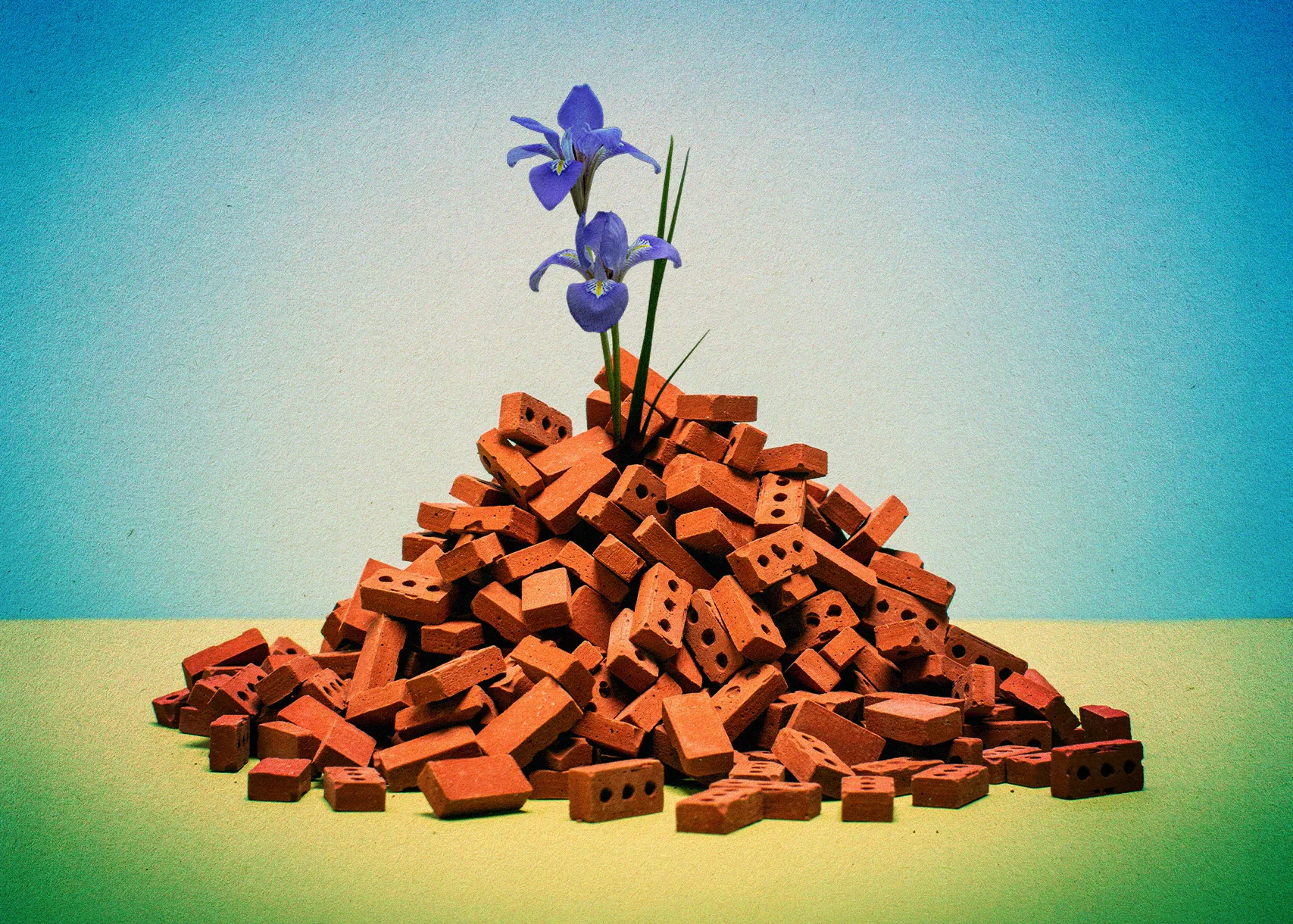
In a makeshift workshop rebuilt following damage from Israeli air strikes, Suleiman Abu Hassanin is leading an effort to transform Gaza’s 60 million tons of rubble into usable construction materials. The initiative, known as Green Rock, produces interlocking bricks that resemble Lego blocks, designed to address the severe shortage of conventional building supplies caused by the ongoing blockade and recent bombardment.
The process involves crushing and sorting debris, then mixing it with local soil and alternative binding agents developed within Gaza due to restricted access to cement. Using hand-built machinery, the mixture is compressed into blocks that require no traditional mortar. Engineer Wajdi Jouda assisted in defining the brick’s dimensions to meet engineering standards and connected the team with external technical expertise to refine the design.
Early tests indicate that these recycled bricks offer superior thermal and sound insulation compared to the tents currently housing hundreds of thousands of displaced Palestinians. The method reduces construction costs by an estimated 50 to 60 per cent relative to traditional reconstruction methods. Current production capabilities range from 1,000 to 1,500 bricks per day, which theoretically allows for the construction of a small shelter in approximately two weeks.
Despite the potential benefits, the project remains experimental and has not been scaled for long-term housing. Abu Hassanin describes the effort as a response to "destruction without solutions," aiming to convert waste into a resource. The initiative also provides employment for displaced individuals involved in the labour-intensive tasks of collecting, sorting, and producing the materials.
Significant obstacles remain, including a lack of heavy machinery, frequent power outages, and limited funding. Humanitarian experts have raised concerns about the presence of hazardous materials in the rubble, such as asbestos and heavy metals. Furthermore, the long-term structural viability of the bricks for permanent housing has not been tested, leaving the project as a hyperlocal adaptation to immediate survival needs rather than a comprehensive reconstruction strategy.