GameStop submits $65 billion bid for eBay in deal mirroring AOL-Time Warner collapse
Analysts warn the structure risks significant value destruction as the retailer attempts to create an Amazon competitor using physical stores as fulfilment centres.
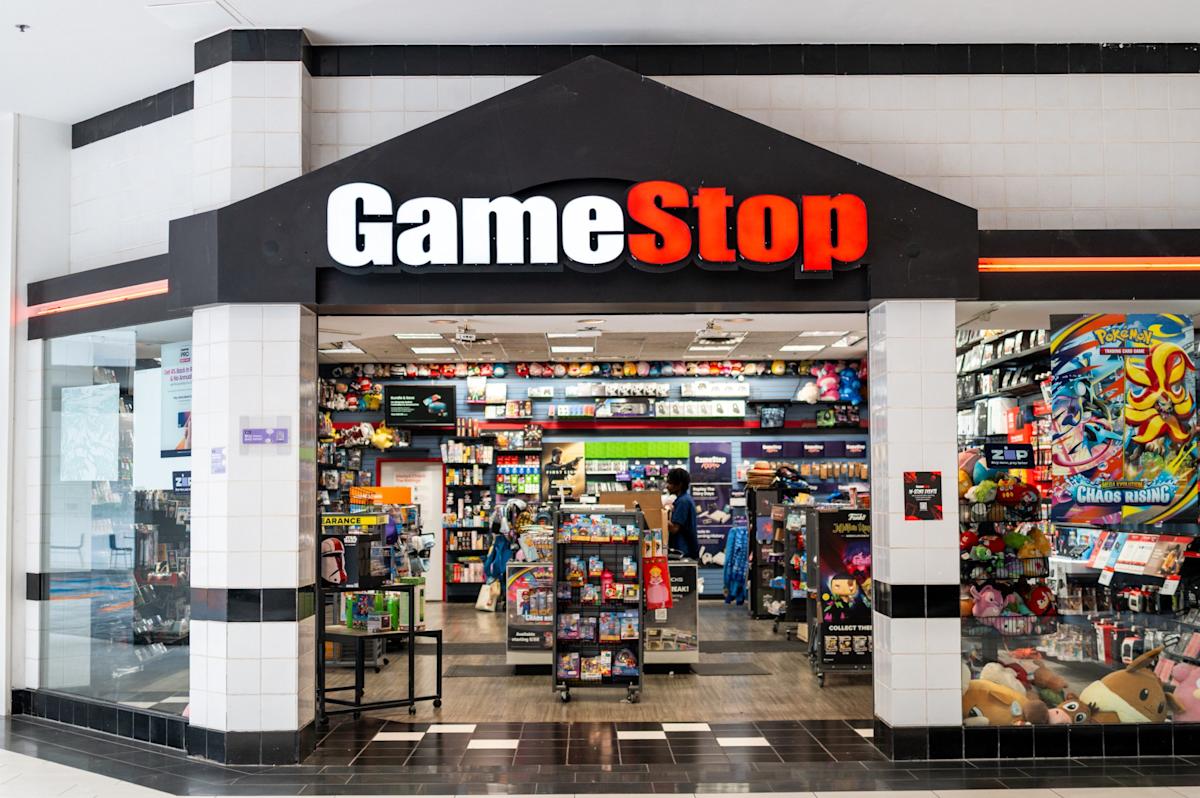
GameStop has formally submitted a bid of $65 billion to acquire eBay, a proposal that financial observers are drawing direct parallels to the disastrous 2000 AOL-Time Warner merger. The offer, which values the online marketplace at $131 per share, represents a 70 per cent premium over the price of eBay's stock when GameStop began accumulating its initial five per cent stake in February.
The proposed structure involves a combination of half cash and half stock, necessitating the issuance of approximately 1.42 billion new shares by GameStop. This move would increase the retailer's total share count by more than 300 per cent, effectively turning the acquisition into a scenario where eBay shareholders own the majority of the combined entity. To finance the cash portion of the deal, GameStop would need to secure roughly $28.5 billion in new debt, utilising existing cash reserves and borrowing from lenders such as TD Securities.
GameStop CEO Ryan Cohen has publicly stated that the strategic intent behind the merger is to create a legitimate competitor to Amazon. The plan involves redeploying GameStop's 1,600 physical stores to serve as fulfilment centres for eBay orders, aiming to slash costs and improve logistics efficiency. However, the high valuation and substantial debt load have drawn sharp criticism from analysts and financial commentators who warn of significant value destruction.
The reaction from the investment community has been swift and negative. Hedge fund manager Michael Burry, known for his contrarian views, has sold his entire GameStop holdings following the announcement. Burry cited the terrifying implications of the proposed deal structure and valuation, noting that the new entity would carry a heavy debt burden relative to its earnings potential.
The comparison to the AOL-Time Warner union highlights concerns over inflated acquirer valuations and massive dilution. In that historic transaction, a small internet company with an outrageous valuation purchased a much larger media colossus, leading to a collapse in share value and a eventual breakup of the combined firm. Similar dynamics are now evident in the GameStop-eBay proposal, where the buyer's market cap is significantly smaller than the target's pre-bid valuation.
Following the announcement on Sunday, May 3, GameStop's stock had risen approximately 20 per cent year to date. Despite the recent momentum, the financial fundamentals suggest a highly leveraged transaction that resembles a leveraged buyout rather than a traditional strategic acquisition, raising serious questions about the long-term viability of the combined enterprise.