Gabbard resigns as US intelligence chief to care for husband
The announcement comes as President Trump engages in high-stakes diplomatic talks in Beijing, marking a significant personnel shift in the administration’s security apparatus.
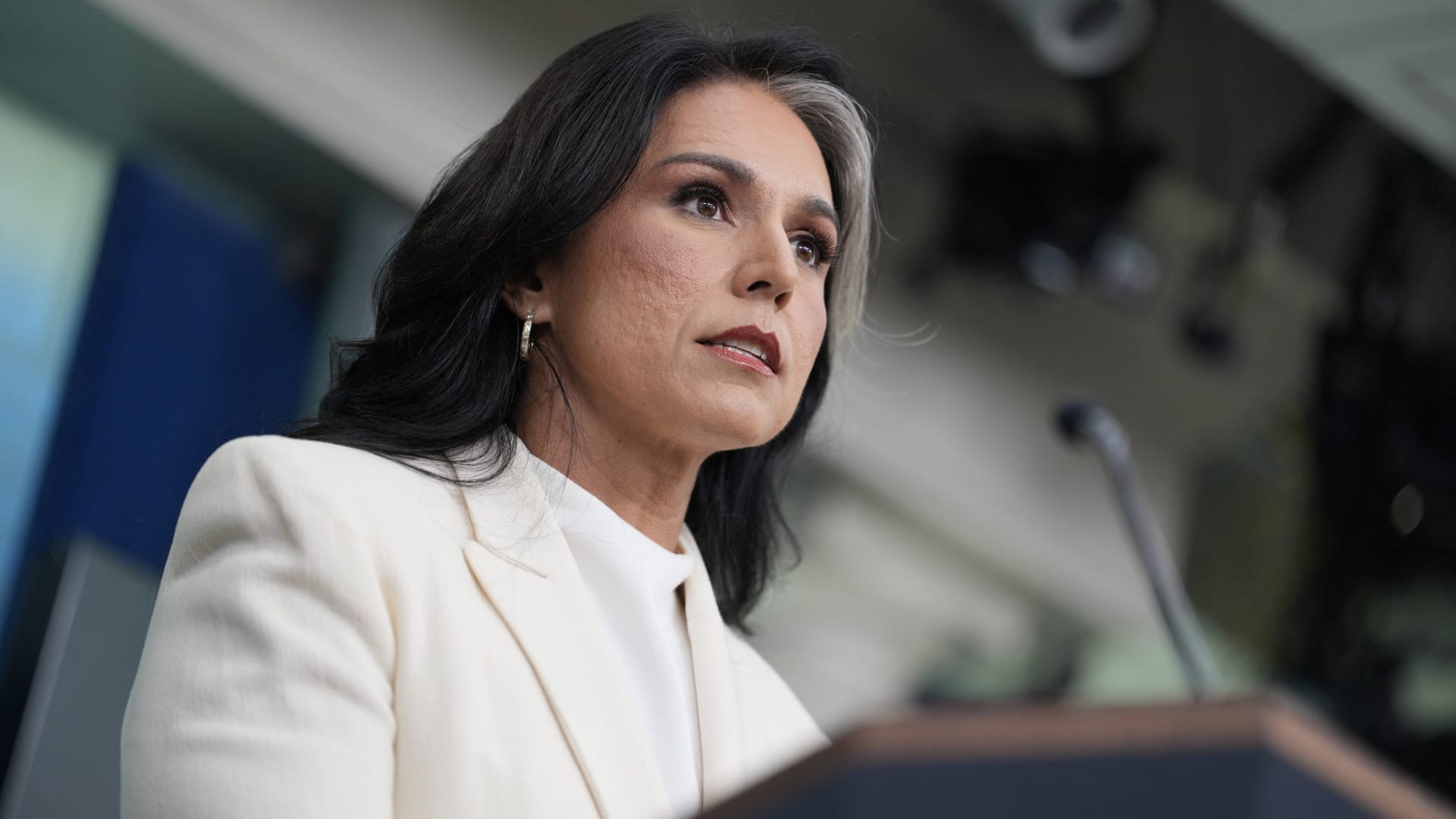
Tulsi Gabbard has resigned from her position as Director of National Intelligence under President Donald Trump, according to a report by CNBC on 22 May 2026. The departure marks the end of her tenure leading the US intelligence community, with Gabbard citing personal family obligations as the primary driver for her exit.
In her statement regarding the resignation, Gabbard explained that she is leaving her post to support her husband, who is currently battling a rare form of bone cancer. The specific medical details of the condition were not elaborated upon in the report, with the source material only confirming the general nature of the illness.
The timing of the resignation coincides with a period of intense diplomatic activity for the Trump administration. President Trump is currently engaged in a summit with Chinese President Xi Jinping in Beijing, where discussions are focused on trade relations, artificial intelligence, and tensions surrounding Iran.
While the event was categorised under markets in the retrieval cluster, the content remains primarily political and personal in nature. The resignation introduces a notable change in the leadership of the US intelligence apparatus during a critical window of international negotiations.
CNBC reported the announcement on 22 May 2026, noting that Gabbard’s departure is effective immediately following the statement. The report relies on Gabbard’s own account of the reasons for her resignation, without independent verification of the medical diagnosis provided.
The personnel change occurs as the administration navigates complex geopolitical challenges, including the ongoing summit in China. Observers will likely watch for how the transition in intelligence leadership impacts the administration’s approach to the trade and security issues currently under discussion in Beijing.