G7 finance ministers convene in Paris as borrowing costs surge and Hormuz risks mount
The Group of Seven finance chiefs are set to discuss rising long-term debt servicing costs against a backdrop of geopolitical tension, including a concurrent US-China summit in Beijing.
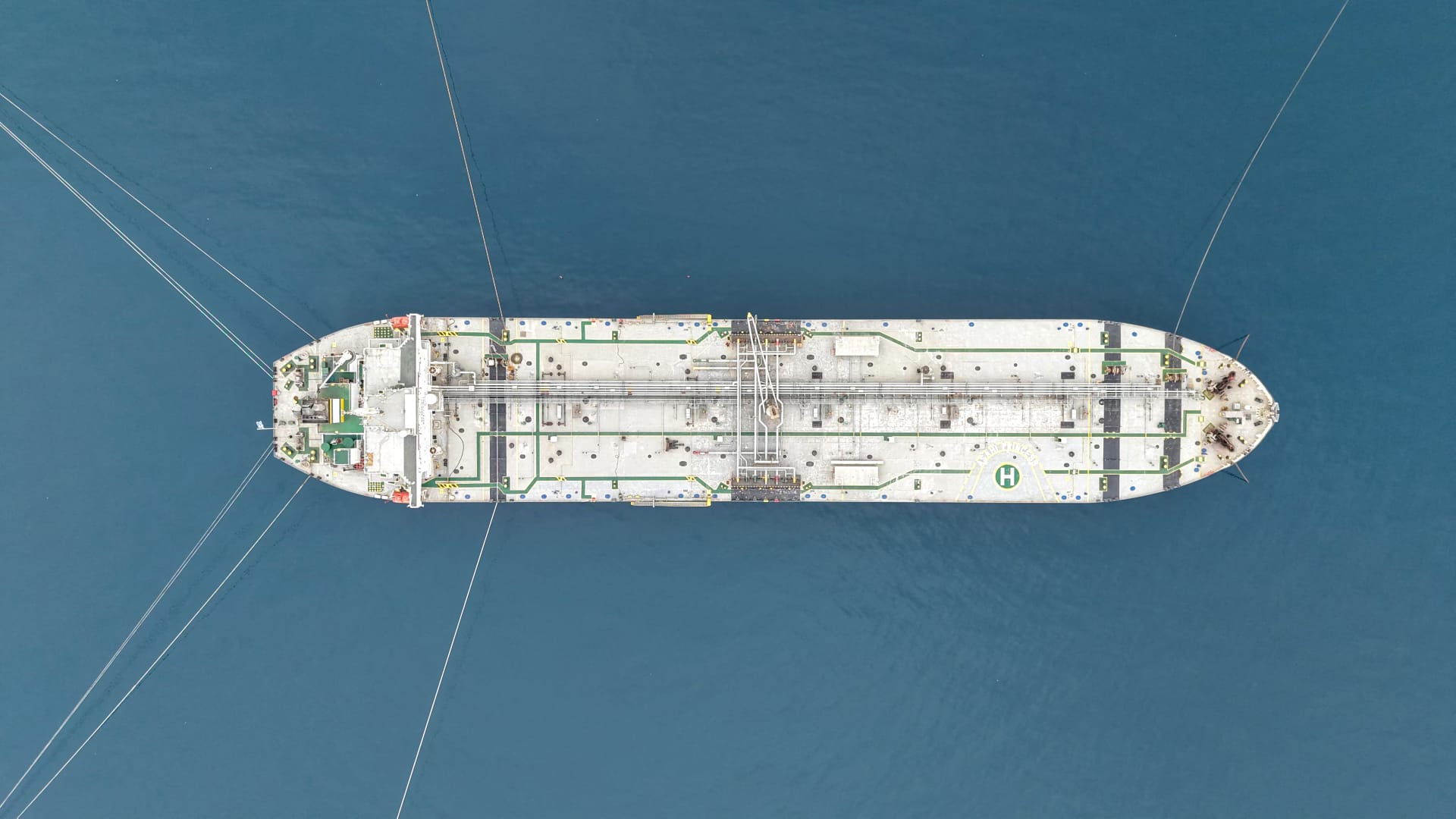
G7 finance ministers are scheduled to meet in Paris on Monday and Tuesday, a gathering timed to coincide with surging long-term borrowing costs and heightened concerns over global energy security. The meeting comes amid explicit warnings regarding the severe economic consequences that would follow a prolonged closure of the Strait of Hormuz, a critical chokepoint for global oil shipments.
The financial dialogue in Paris unfolds against a backdrop of significant diplomatic activity in Beijing, where US President Donald Trump and Chinese President Xi Jinping are holding a two-day summit. The agenda in the Chinese capital encompasses trade relations, artificial intelligence policy, and the security of the Strait of Hormuz, reflecting the interconnected nature of current geopolitical and economic challenges.
US equity markets responded positively to the developments in Beijing, with the Dow Jones Industrial Average gaining 0.8 per cent, the S&P 500 rising 0.3 per cent, and the Nasdaq Composite climbing 0.2 per cent during the summit. The market rally was bolstered by news that the US approved the sale of H200 chips to Chinese firms, prompting Nvidia shares to surge more than 2 per cent.
Tech industry leaders, including Elon Musk, Tim Cook, and Jensen Huang, are attending the Beijing summit, underscoring the strategic importance of technology and trade in the discussions between Washington and Beijing. The presence of these executives highlights the broader economic stakes involved in the diplomatic talks, which are occurring simultaneously with the G7’s focus on fiscal stability.
While the G7 finance ministers’ specific outcomes remain to be seen, the timing of their Paris meeting suggests an urgent need to address the fiscal implications of regional instability. The convergence of rising debt costs and the potential disruption of energy flows via the Strait of Hormuz presents a complex challenge for the world’s major economies as they seek to stabilise markets and mitigate economic fallout.