Fuel Costs Spike in Midwestern Strongholds as Geopolitics and Refinery Outages Tighten Supply
A combination of Iran-related tensions, record exports, and a regional refinery outage drives the fastest price increases in Indiana, Michigan, Ohio, Wisconsin, and Iowa.
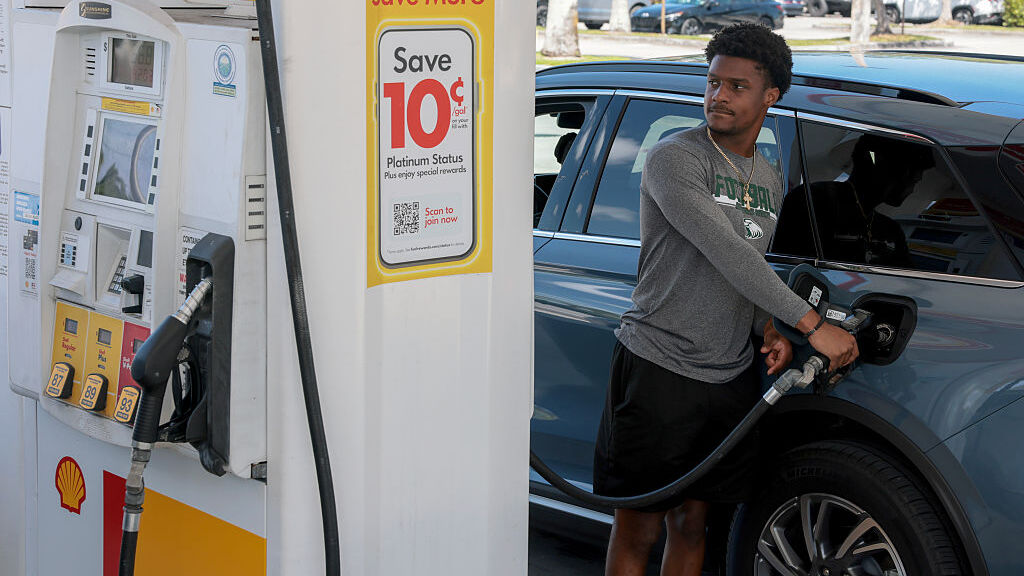
Gas prices across the United States have surged to levels not seen since late July 2022, with the national average climbing above $4 per gallon. The sharpest week-over-week increases are concentrated in five Midwestern states—Indiana, Michigan, Ohio, Wisconsin, and Iowa—which were key supporters of Donald Trump in the 2024 election. This regional spike is being driven by a combination of geopolitical tensions involving Iran and the Strait of Hormuz, record-high US petroleum exports reducing domestic supply, and a temporary outage at a major refinery in northwest Indiana.
The conflict in Iran has constrained crude oil supply and created a direct and immediate effect for consumers at the pump, with oil prices continuing to trade above $100 per barrel. Disruptions to the Strait of Hormuz, a critical artery for global oil shipments, alongside ongoing geopolitical tensions, have exacerbated the situation. While Treasury Secretary Scott Bessent has expressed optimism that prices could return to the $3 range by summer, analysts warn that even if the conflict ends, consumer costs may take time to adjust.
A temporary outage at a major refinery in northwest Indiana has further tightened supply, spiking diesel and jet fuel prices across the Midwest. In Chicago, for example, wholesale diesel prices have reached record highs, surpassing those on the West Coast. This infrastructure vulnerability indicates a fragility in the regional fuel supply chain, contributing to a broader economic strain on households, particularly in car-dependent regions where fuel costs represent a direct hit to disposable income.
The surge has contributed to an all-time low in consumer sentiment, according to the University of Michigan. Joanne Hsu, the survey's director, noted that many consumers are directly blaming the conflict in Iran for these unfavorable changes to the economy. The rising costs increase transportation and logistics expenses, which can ripple through the wider economy in the form of higher prices for goods and services.
This economic pressure poses a significant challenge to political narratives regarding energy affordability. While Trump and his allies have often emphasised energy affordability as a key economic strength, the current surge—fueled in part by foreign policy decisions and global market disruptions—contradicts that message. Previous reporting indicates that prolonged high gas prices can create anxiety within Republican circles, as the issue is highly visible to the public through daily price signage.
Gas stations are also attempting to recover profits lost earlier in the conflict, contributing to price hikes beyond the raw cost of crude oil. Record-high US petroleum exports are further reducing domestic supply, compounding the impact of falling production and dropping crude inventories. As the situation evolves, the consequences of this global energy shock are being felt most acutely in specific regions that are both economically and politically sensitive to rising fuel costs.