FT: Philip K Dick’s 1960s visions mirror today’s erratic billionaire era
A Financial Times article published on 8 August 2026 argues that the science fiction works of Philip K Dick offer a prescient lens through which to view the contemporary landscape of wild space fantasies and glitchy technology.
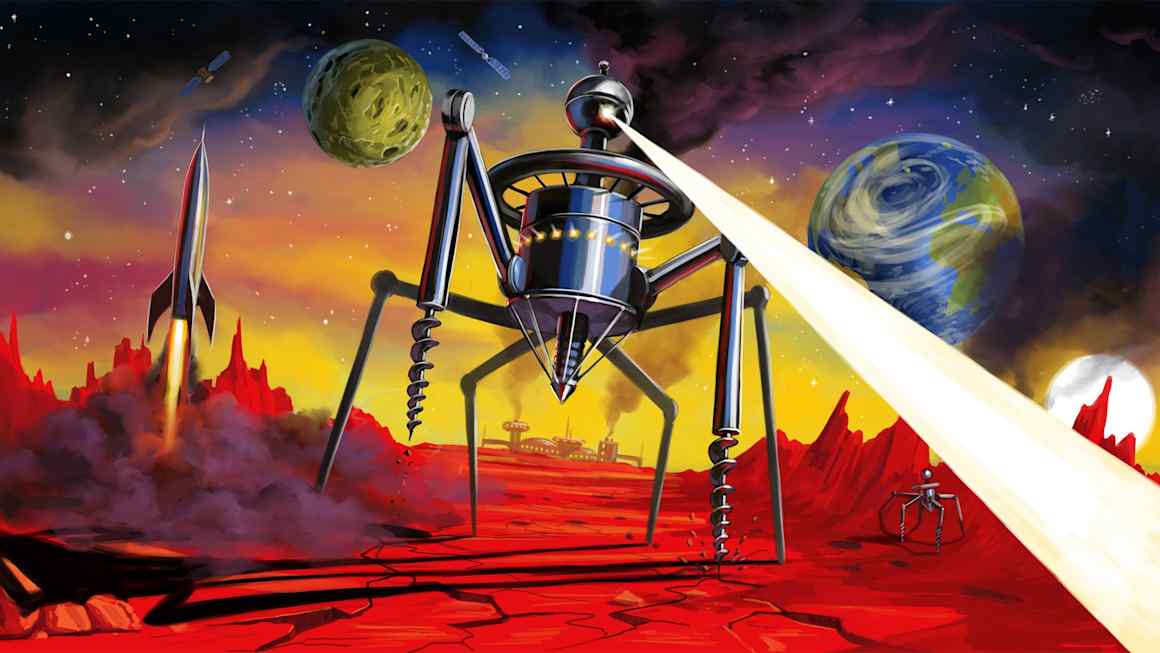
A Financial Times article published on 8 August 2026 posits that the science fiction writings of Philip K Dick from the 1960s provide a striking guide to the current era. The piece draws direct parallels between Dick’s fictional narratives and real-world developments, specifically highlighting the rise of erratic billionaires, ambitious space exploration ventures, and the prevalence of invasive, glitchy technology.
The article suggests that Dick’s mid-20th-century output serves as an interpretive lens for understanding modern societal trends. It explicitly links his work to the current cultural and technological landscape, noting thematic overlaps with the behaviour of high-net-worth individuals and the rapid, often unpredictable, integration of digital systems into daily life.
This literary critique emerges against a backdrop of significant shifts in the global economic landscape. The analysis comes shortly after the debut of SpaceX on the Nasdaq on 11 June 2026, an event that valued the company at approximately $1.77 trillion and made CEO Elon Musk the world’s first paper trillionaire. The IPO, which raised $75 billion, saw shares rise 27% to $172 in early trading, underscoring the scale of modern space commerce.
The piece frames these contemporary developments through the prism of Dick’s 1960s visions. The Financial Times argues that the author’s focus on wild space fantasies and the unsettling nature of advanced technology resonates with the current period, where technological advancement often outpaces regulatory or social adaptation.
While the article presents a compelling cultural argument, it remains an interpretive analysis rather than an empirical report on the accuracy of Dick’s predictions. The characterisation of modern billionaires as "erratic" and technology as "glitchy" reflects the author’s perspective on the volatility and complexity of the current market environment.
The publication of this piece coincides with broader geopolitical and economic movements, including recent diplomatic engagements between the US and China. These factors form the wider context for the "erratic" nature of modern billionaire influence, as noted in the Financial Times’ assessment of the current age.
Ultimately, the article serves as a cultural commentary, using Dick’s legacy to question the trajectory of modern innovation. It invites readers to consider how mid-century science fiction anticipated the specific challenges and wonders of the 2026 landscape, from space exploration to the digital infrastructure that underpins global finance.