FT: Oil tankers increase ‘dark’ transits through Strait of Hormuz
Reports indicate a rise in vessels obscuring their identity under US air cover, a move linked to keeping crude prices below the $100-a-barrel threshold.
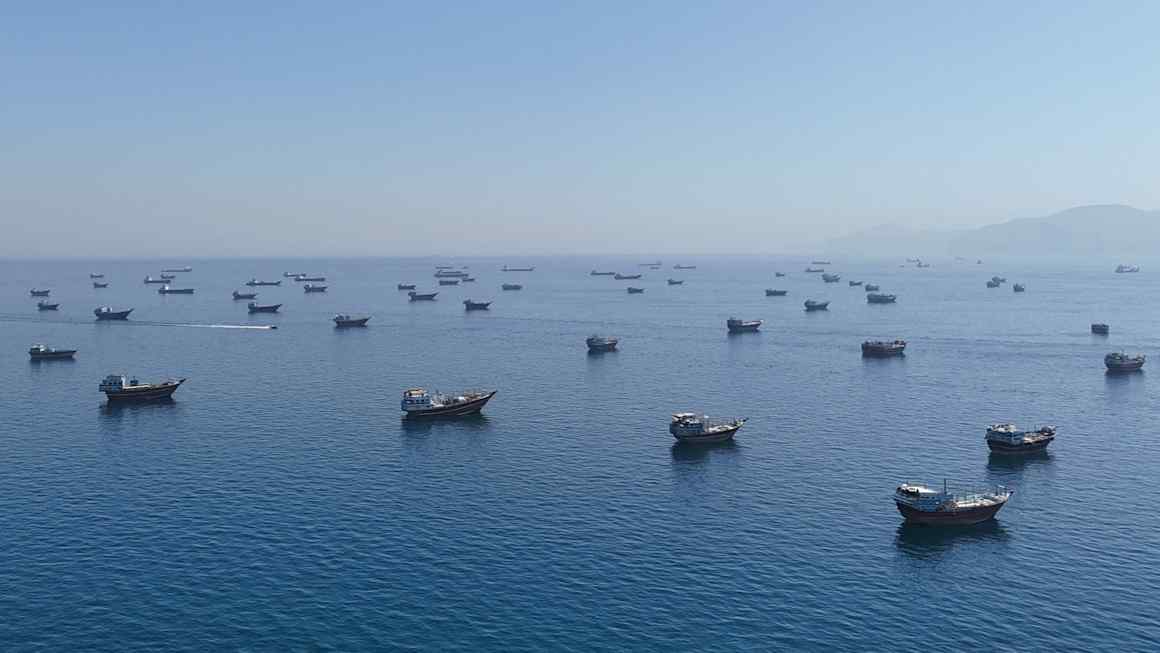
Oil tankers are increasing 'dark' transits through the Strait of Hormuz under US air cover, a development that is reportedly helping to cushion crude prices below $100 a barrel, according to the Financial Times.
The rise in these operations involves vessels that obscure their identity or cargo while navigating the critical energy chokepoint. The Financial Times reports that this activity is occurring under the protection of US air cover, a shift in operational tactics that appears designed to stabilise market sentiment and prevent price spikes.
This move comes against a backdrop of heightened geopolitical tension in the region. Recent events include Iran shooting down a US helicopter, an incident that prompted President Donald Trump to vow a response. The escalation has added uncertainty to the global energy supply chain, making the reported 'dark' transits a significant factor in current market dynamics.
Concurrently, diplomatic and commercial efforts have been underway to address regional security. A recent Beijing summit, attended by prominent US business leaders including Elon Musk, Tim Cook, and Jensen Huang, featured discussions on trade, artificial intelligence, and security in the Strait of Hormuz. The summit marked the first visit by an American president to China since 2017, highlighting the strategic importance of the region to global commerce.
Meanwhile, Iran faces a challenging economic environment characterised by hyperinflation and military uncertainty. The combination of domestic economic pressure and external geopolitical risks underscores the fragility of the current situation. The reported increase in 'dark' transits suggests that market participants and state actors are adapting to these risks to maintain the flow of crude oil and keep prices manageable for global consumers.
The Financial Times notes that these risky trips are directly linked to the current price ceiling for crude. By ensuring supply continuity despite the volatile security environment, the operations are effectively preventing crude from breaching the $100-a-barrel mark. This intervention highlights the complex interplay between military presence, commercial shipping practices, and market stability in one of the world's most vital energy corridors.
As tensions persist, the role of US air cover in facilitating these transits remains a key element of the current market structure. Investors and policymakers are closely monitoring how these operational adjustments will influence long-term energy security and price volatility in the region.