FT Analysis: US Auto Groups Profit from Tariffs Despite Protectionism Costs
A July 2026 analysis reveals that while trade barriers carry broader economic costs, US automotive groups are seeing increased profitability, underscoring the persistent allure of tariffs as a corporate strategy.
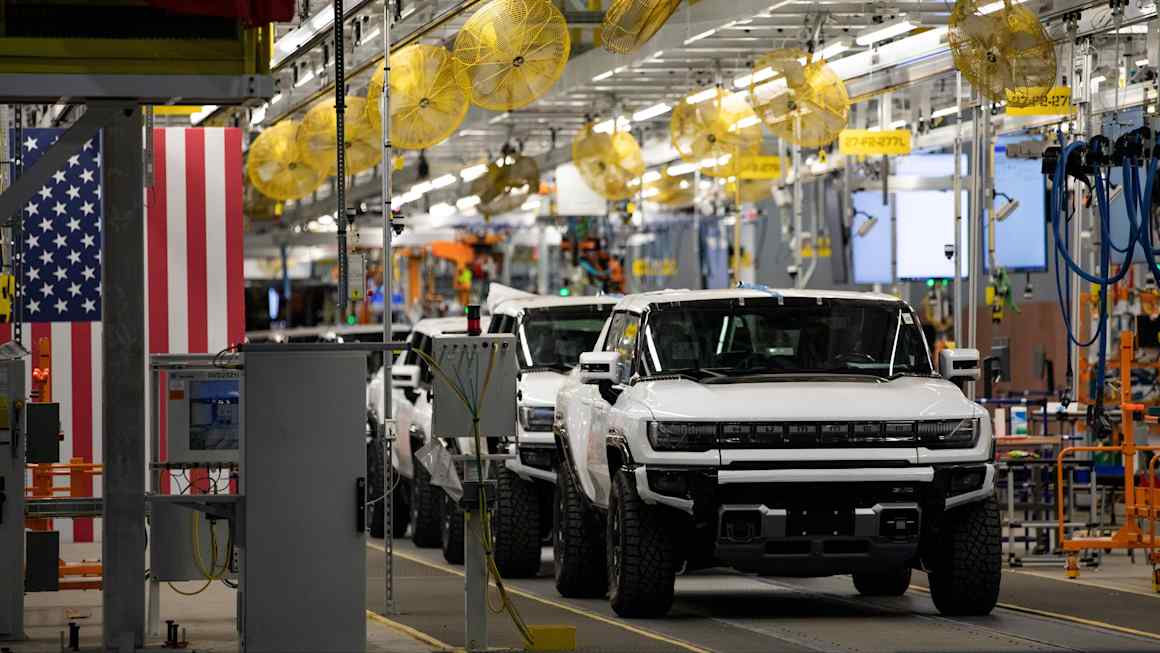
A Financial Times analysis published on 24 July 2026 underscores the complex economic reality of trade policy, noting that while protectionism is rarely without cost, it remains a potent strategic tool for specific industries. The report highlights that US automotive groups are currently benefiting from increased profitability through tariff measures, illustrating why such policies continue to hold political and corporate appeal despite their wider economic implications.
The analysis suggests that the financial gains experienced by domestic manufacturers provide a clear explanation for the persistence of tariffs as a policy option. By shielding domestic producers from foreign competition, these trade barriers have allowed US auto groups to improve their bottom lines, reinforcing the perception of tariffs as a comparative advantage for local industry players.
However, the report cautions that this corporate success does not negate the broader economic principle that protectionism typically incurs significant costs. The Financial Times frames the current situation as a tension between the immediate profitability of specific sectors and the general economic impact of reduced market openness, suggesting that tariffs are viewed by some stakeholders as the least bad option among available policy alternatives.
It is important to note that the source material does not provide specific quantitative data regarding the exact profit margins, tariff rates, or the individual auto groups included in this assessment. The analysis focuses on the qualitative trend of increased profitability and the strategic rationale behind maintaining trade barriers, rather than offering a detailed financial breakdown of the sector's performance.
The findings from the Financial Times are distinct from other recent market events, such as the SpaceX IPO debut in June 2026 or diplomatic developments between the United States and Iran. The source text does not establish a causal link between these unrelated market movements and the profitability trends observed in the US automotive industry, keeping the focus strictly on the impact of trade policy on domestic carmakers.