French Senate Unanimously Approves Repatriation of Kalina Remains from Colonial Exhibitions
Bipartisan bill addresses the return of six Kalina individuals and eight body casts from Parisian 'human zoos' to French Guiana, marking a significant shift in state policy regarding colonial-era anthropological collections.
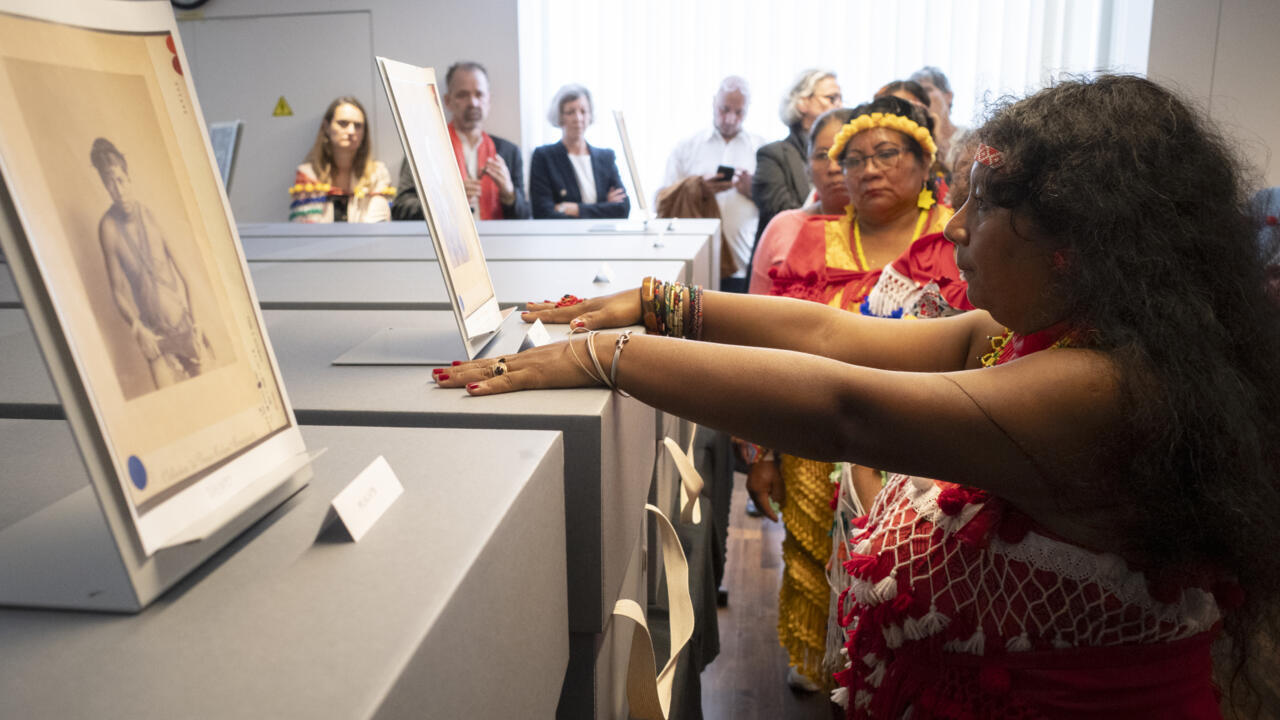
French senators have unanimously passed legislation to repatriate the remains of six Kalina people, who were exhibited in colonial-era "human zoos" in Paris between 1877 and 1931, to their ancestral lands in French Guiana. The bill, co-authored by lawmakers from the left, right, and centre, addresses the remains of individuals who died during these exhibitions and were subsequently exhumed for anthropological study. The repatriation also includes eight body casts held by the Muséum national d'Histoire naturelle.
The legislative move follows a 2023 framework law that allowed for the return of remains from foreign states, but this new bill aims to close a loophole to facilitate returns to France's overseas territories. The draft law meets a long-standing demand of Indigenous communities in France’s overseas territories, acknowledging a dark chapter from the country’s past involving ethnological shows at the Jardin d’acclimatation.
Among the 33 Amerindians from the Kalina and Arawak peoples who were lured to the French mainland in 1892 was 12-year-old Moliko. Six individuals died from sickness during the exhibition, and their remains were exhumed for study. Corinne Toka-Devilliers, Moliko’s great-great-granddaughter and head of the association Moliko Alet+Po, has spearheaded efforts to repatriate the remains, describing the Senate vote as a victory for her ancestors and Indigenous people.
Centrist lawmaker Catherine Morin-Desailly, who co-authored the bill, stated that the legislation recognises the horror inflicted on Indigenous communities. Conservative lawmaker Max Brisson, another co-author, underscored the urgent need to recognise the dehumanisation that underpinned the creation of certain museum collections. The repatriation process involves cooperation from the Musée du quai Branly – Jacques Chirac and the Musée de l’Homme, which have assisted in identifying the remains.
Culture Minister Catherine Pégard expressed support for future legislation to facilitate the repatriation of human remains to overseas territories, responding to demands from Indigenous groups. The Senate bill is expected to be approved by the lower-house National Assembly, with Toka-Devilliers noting that while progress has been made, a law that works for everyone is needed to address other waiting families.