Framework Laptop 13 Pro price surge amid RAMageddon
The prebuilt review unit now costs $3,099 as the tech industry grapples with elevated component prices.
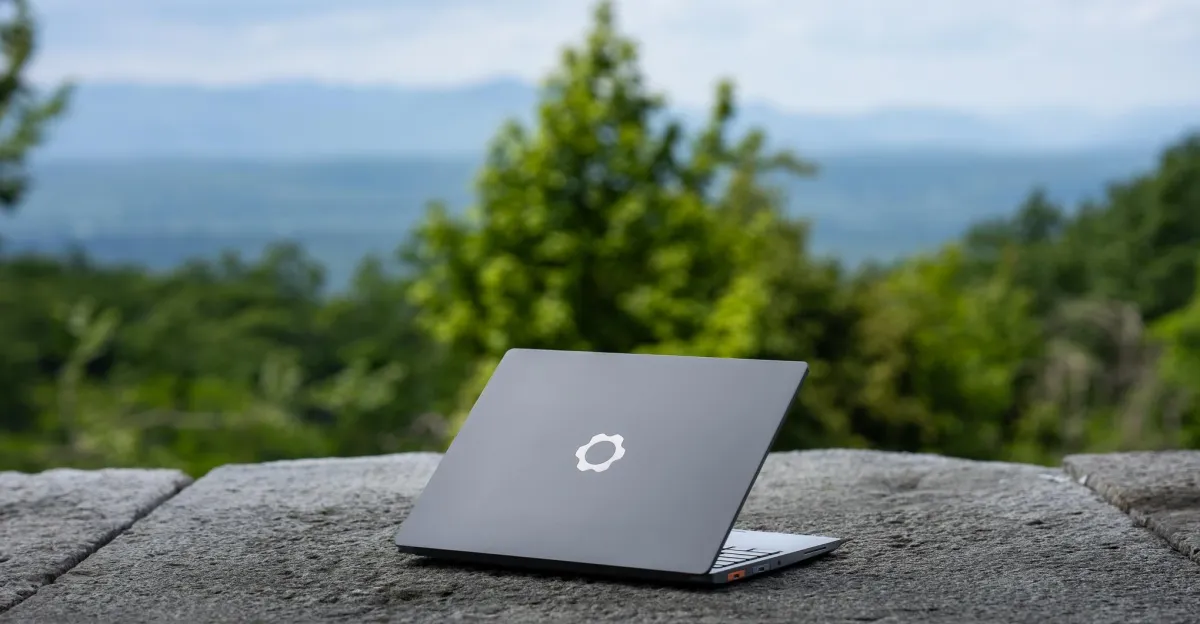
Framework has increased the price of its Laptop 13 Pro by $800, bringing the cost of the prebuilt review unit with 32GB of RAM to $3,099. The price surge is attributed to "RAMageddon," a period of rising memory costs affecting the tech industry. The increase occurred before the device reached customers, with some reserved preorders downgraded from 32GB to 16GB of RAM.
The 13 Pro features Intel Panther Lake chips and user-replaceable LPCAMM2 memory, which is newer and pricier than standard DDR5. Framework has raised prices on all its devices, not just the 13 Pro. Customer sentiment on the Framework subreddit indicates that even hardcore fans are cancelling orders due to the price hike.
The device has received acclaim for its build quality, haptic trackpad, and battery life. However, the steep price hike has led to customer cancellations and concerns about the viability of niche tech products. The 13 Pro is marketed as a "MacBook Pro for Linux users," although Linux testing has not yet been completed for this specific model.
Existing Laptop 13 owners can upgrade specific components, such as the mainboard, screen, and trackpad, a la carte. While this remains costly, it offers a path for users to adopt the 13 Pro’s features without purchasing an entirely new machine. The standard Laptop 13 uses AMD processors and SODIMM DDR5 memory, whereas the 13 Pro utilises the newer Intel architecture.
The price adjustment reflects broader industry trends where rising component costs are impacting consumer electronics. Framework’s modular premise, which allows for extensive repairability and upgrades, faces scrutiny as the initial purchase price climbs. The company’s ability to maintain its niche position depends on balancing these hardware costs with the value proposition of long-term device sustainability.
