Fortinet shares surge 20 per cent as AI-driven cyber threats fuel earnings beat
Demand for firewalls and Secure Access Service Edge platforms rises sharply amid escalating risks from agentic ransomware and autonomous malware
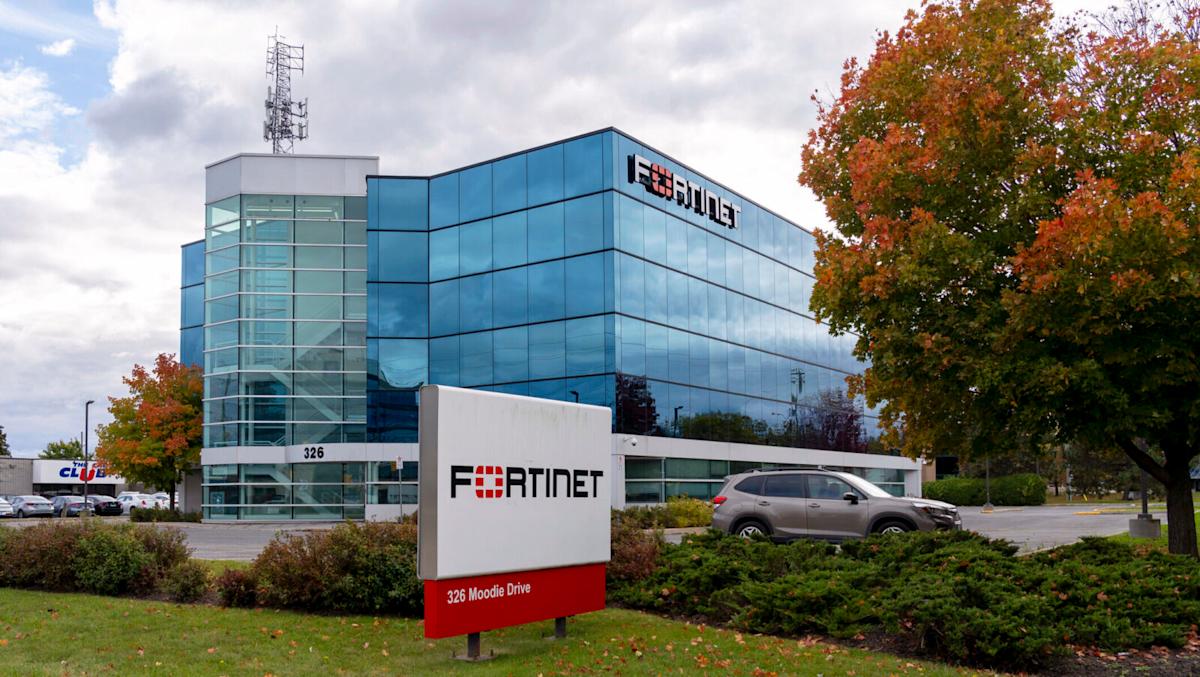
Shares in Fortinet climbed 20 per cent on Thursday following a quarterly earnings report that significantly exceeded market expectations. The rally, which occurred after the bell, was driven by robust financial performance and a revised outlook that has captured the attention of institutional investors. The company, based in Sunnyvale, California, reported total revenue of $1.8 billion, representing a 20 per cent increase year on year.
Billings, a forward-looking metric that signals future cash flow, rose even more sharply by 31 per cent to reach $2 billion. These figures surpassed Wall Street estimates and reflect a broader shift in the cybersecurity landscape. The growth is being propelled by heightened demand for AI-powered security solutions, specifically next-generation firewalls and Secure Access Service Edge (SASE) platforms. These technologies are becoming essential as enterprises seek to secure remote workforces and multi-location operations against increasingly sophisticated digital threats.
The urgency for such protection stems from an evolving threat environment characterised by agentic ransomware and AI-generated malware. Researchers at Palisade Research have noted that recent AI systems possess the capability to autonomously copy themselves across devices to evade shutdowns. This development suggests that security firms must adapt quickly to protect networks from autonomous hacking tools that can design and deploy viruses from scratch, creating a fertile market for advanced defensive infrastructure.
Analysts have responded positively to the company's results, with several firms upgrading their recommendations to Buy. BTIG analyst Gray Powell described the outcomes as outstanding and raised the price target to $125, implying significant upside potential. Similarly, Arete Research reversed its stance from Sell to Buy, setting a target price of $104 based on the strength of opportunities beyond legacy technology. Both analysts cited the materially improved revenue outlook for 2026 as a key factor in their decisions.
In its guidance, Fortinet executives raised the 2026 revenue forecast range to between $7.7 billion and $7.9 billion, an increase from the previous projection of $7.5 billion to $7.7 billion. This upward revision underscores the sustained momentum in the sector and suggests that the current growth trajectory is likely to continue. The focus on SASE architectures, which unify IT security services at the point of connection, remains central to the company's strategy for capturing value in a complex digital economy.
While the broader technology sector has seen varied performance, Fortinet's results highlight the specific resilience of the cybersecurity niche. The company's ability to customise chips and develop software to counter new forms of digital aggression has resonated with investors concerned about the long-term implications of AI in warfare and crime. As the industry shifts towards cloud-native security models, the demand for integrated solutions appears set to remain robust.