Formula E Season 13 introduces Gen4 cars, sprint races, and new venues
The FIA-confirmed calendar for the thirteenth season adds three new venues and 30-minute “Unleashed” sprints, marking a strategic move away from street circuits toward tracks capable of handling speeds up to 208mph.
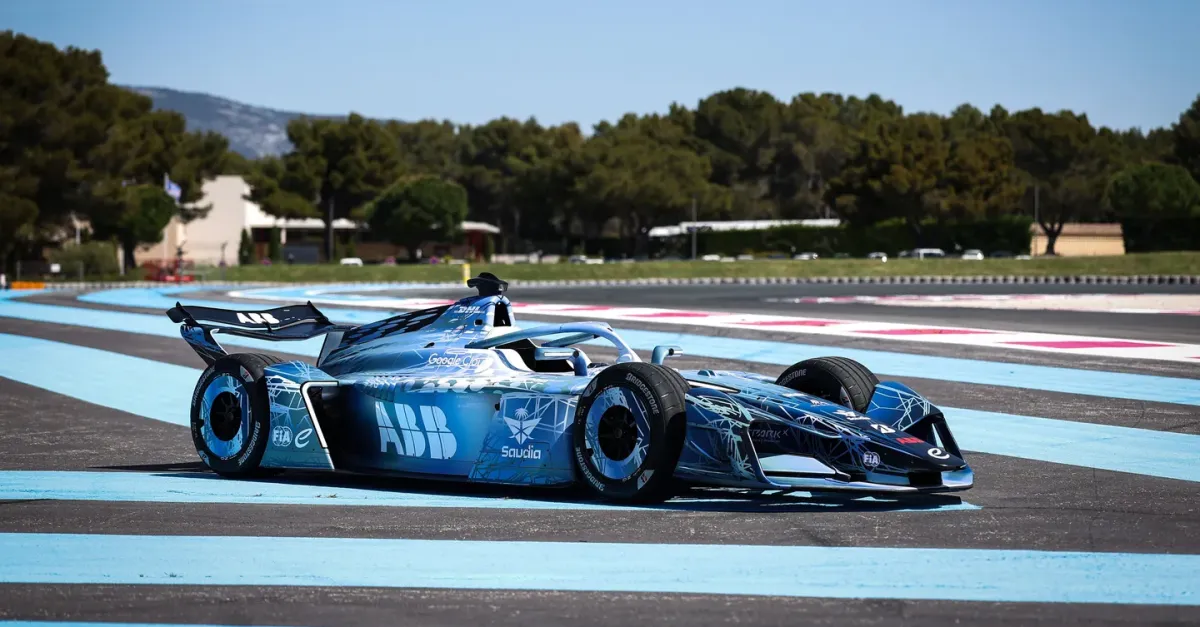
Formula E’s thirteenth season, commencing in December, will introduce the new Gen4 electric cars, which reach speeds of up to 208mph (335km/h) and include a 600kW attack mode. The calendar adds three new locations: the Circuit of the Americas in Austin, Brands Hatch in Kent, and Zandvoort in Amsterdam. The format now includes 30-minute “Unleashed” sprint races ahead of main events, mirroring Formula One’s structure.
The schedule released by the FIA marks the first time since the inaugural 2014 season that Formula E will host two race weekends in the United States. This expansion signals a deliberate shift away from smaller street circuits toward tracks capable of accommodating the Gen4 cars’ higher top speeds. The new vehicles also feature a larger physical footprint than their predecessors, measuring 5540 x 1790mm.
The introduction of the “Unleashed” format represents a significant structural change for the series. These 30-minute sprint races lack mandatory pit stops, allowing drivers to focus on maximum speed rather than battery management. This approach closely mirrors the sprint race structure utilised by Formula One, aiming to provide a more dynamic viewing experience ahead of the main E-Prix events.
Technical specifications for the Gen4 cars highlight a substantial increase in power output. The 600kW attack mode represents a 71 per cent increase over the previous generation, according to the FIA. Formula E CEO Jeff Dodds stated in an interview with Motorsport that the Gen4 cars are designed to be competitive with Formula One, noting that “Gen4 gets us right on the heels [of F1], and Gen5 is probably faster.”
While the operational details of the “Unleashed” races, such as qualifying procedures or point allocations, remain unspecified, the strategic direction of the series is clear. By adopting grand prix tracks and a sprint-based format, Formula E is positioning itself to compete more directly with established motorsport championships, leveraging the performance capabilities of its new electric platform.
