Formula 1 leadership agrees to revise engine regulations for 2027 season
Following a meeting between the sport's governing body and all team principals, Formula 1 bosses have committed to increasing Internal Combustion Engine output while reducing Energy Recovery System power to make racing more intuitive.
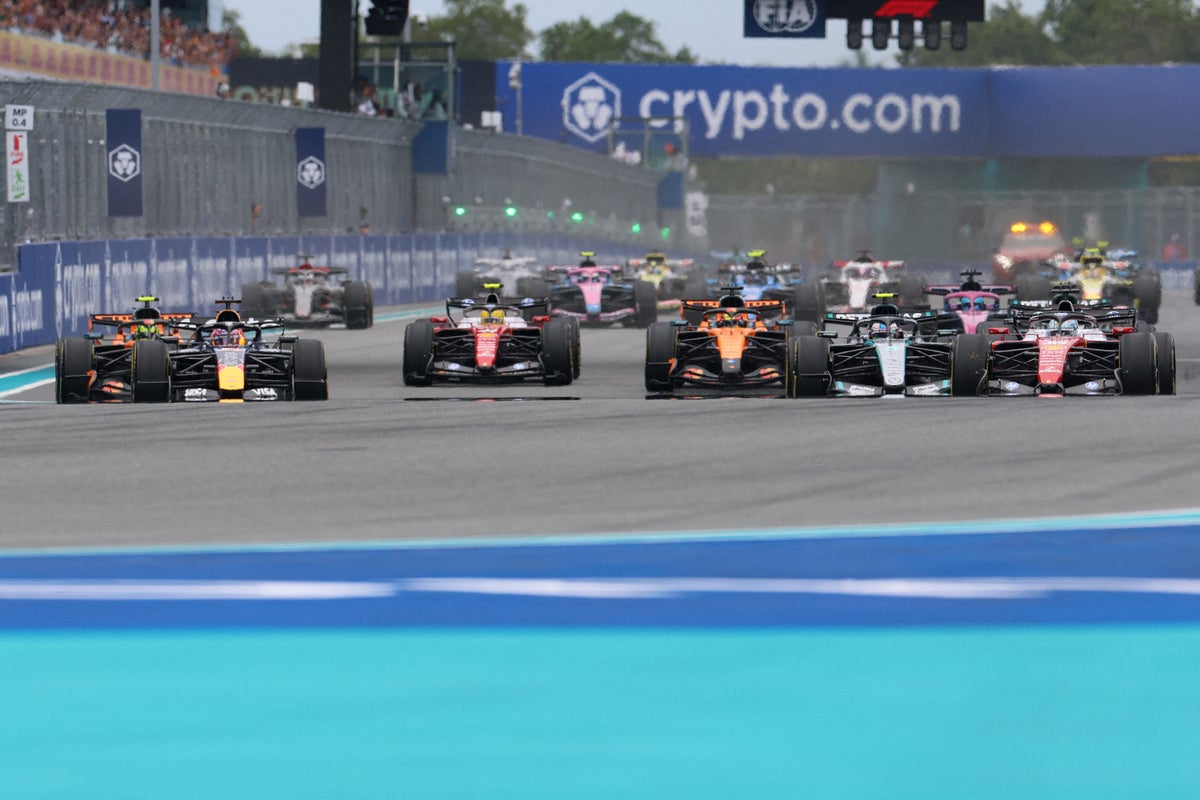
Formula 1 officials have reached a unanimous agreement to modify engine regulations for the 2027 season, responding to sustained criticism regarding the current balance between combustion and electrical power. The decision follows a recent gathering between the sport's commercial rights holder, the FIA, and the 11 team principals, building upon temporary adjustments implemented during the Miami Grand Prix.
The proposed regulatory shift involves a specific numerical adjustment where Internal Combustion Engine output will increase by 50kW, accompanied by a corresponding rise in fuel flow. This is paired with a reduction of 50kW in the deployment power of the Energy Recovery System. These changes are designed to address the contentious 50-50 power split that has dominated the current 2026 campaign.
Critics, including four-time world champion Max Verstappen, have argued that the existing rules force drivers to lift off the throttle during qualifying laps to manage battery energy, effectively slowing them down. The new measures aim to eradicate this requirement, thereby removing the need for complex energy harvesting strategies during crucial sessions and making the racing experience more intuitive for drivers and teams.
An official statement from the FIA highlighted that the deployment of modifications in Miami resulted in improved competition and served as a precursor to these longer-term measures. The regulator noted that the unanimous commitment to the 2027 changes was driven by a desire to enhance fair and safe competition while ensuring the rules remained intuitive for the grid.
While the current championship standings see Mercedes' Kimi Antonelli leading team-mate George Russell after winning three of the first four rounds, the focus now shifts to how these structural changes will impact future competitiveness. The adjustments are scheduled to take effect from the 2027 season, leaving the current 2026 regulations intact for the remainder of the campaign.
The next race is set to take place in Canada on 24 May, where teams will continue to navigate the current regulatory landscape ahead of the significant overhaul planned for next year.