Former safeguarding minister demands sentencing review after youth rape cases spark outrage
The Attorney General has referred Fordingbridge sentences to the Court of Appeal as unduly lenient, while Phillips warns of a shift towards online content-driven crime.
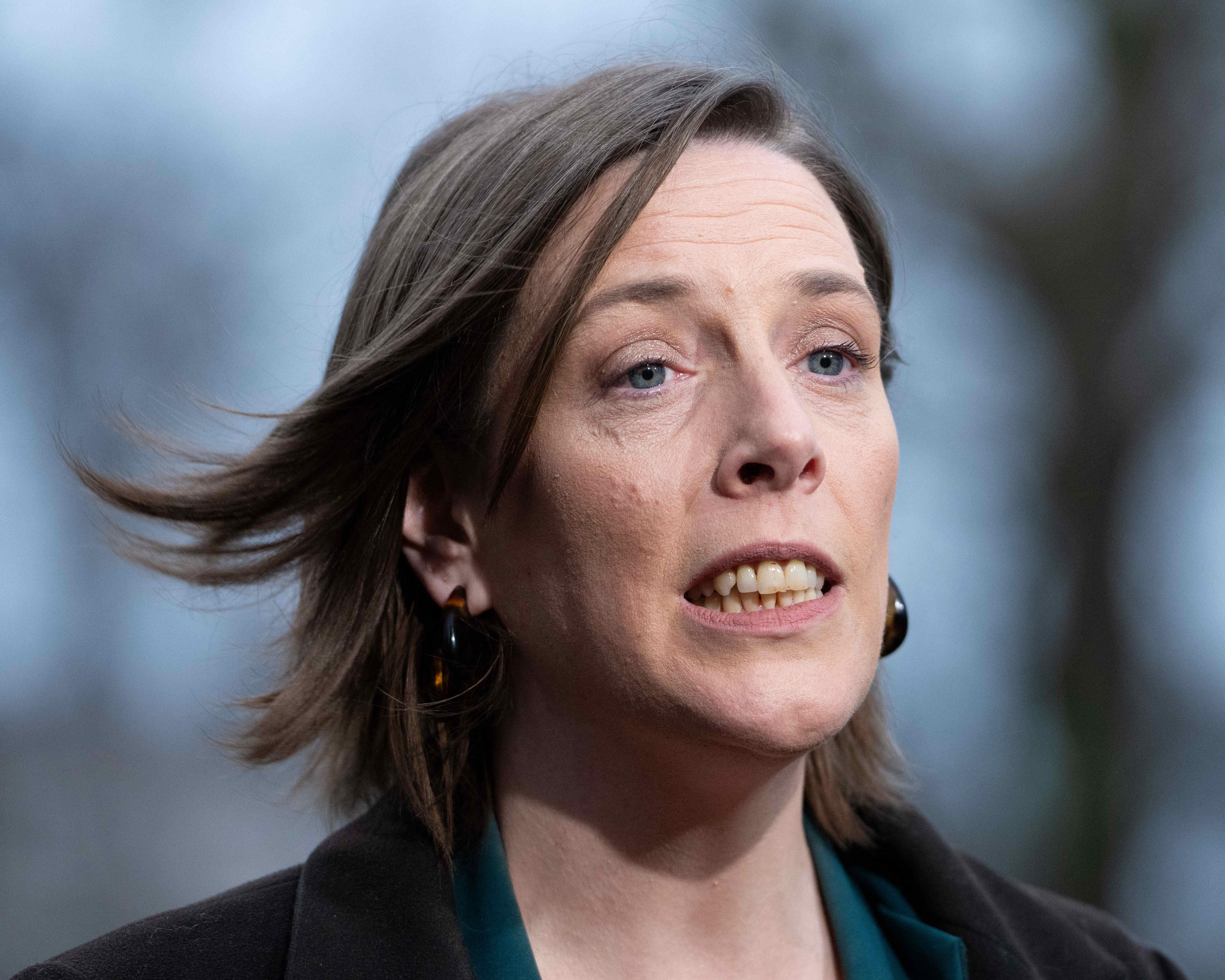
Jess Phillips, the former safeguarding minister, has called for an urgent review of sentencing guidelines for children convicted of sexual offences, arguing that the current system disproportionately prioritises perpetrator rehabilitation over the justice owed to victims. Her intervention follows a series of high-profile cases in which teenage boys received lenient sentences for serious crimes, including rape and sexual assault.
The controversy centres on recent sentencing outcomes in Fordingbridge, Hampshire, and north-east England. In Fordingbridge, three boys received youth rehabilitation orders after two were convicted of rape and one of involvement in attacks on girls aged 15 and 14. A judge at Southampton Crown Court stated he wished to avoid criminalising the children unnecessarily. Similarly, in north-east England, three separate teenage boys were handed youth rehabilitation orders and ordered to pay court fees of £26 for the rape and serious sexual assault of girls as young as 14.
Phillips, who resigned from the government last month, told BBC Radio 4’s Today programme that these outcomes amounted to victims being asked to "essentially suck it up for the sake of the perception of what is best for the perpetrators." She argued that sentencing guidelines have not kept pace with a growing trend of children sexually abusing other children, nor have they adequately accounted for the need for early intervention through schools or the youth justice system.
The Attorney General has referred the sentences of the teenage boys in Fordingbridge to the Court of Appeal, deeming them unduly lenient. This legal move underscores the growing tension between established sentencing protocols for minors and public expectations for accountability in cases of severe sexual violence.
Phillips also highlighted the role of digital culture in driving these offences, warning that crime is increasingly being filmed to create content for an "eyeball economy." She cited the Southport inquiry, noting that an excessive focus on perpetrator vulnerabilities can neglect critical public safety considerations. She urged policymakers to examine the impact of widespread access to online pornography and extreme content, which she identified as potential drivers for the rise in child-on-child sexual offences.