Former Qatar PM warns Netanyahu is using Iran war to reshape Middle East
In an exclusive interview with Al Jazeera, the former diplomat alleges the current conflict is the culmination of a long-term Israeli agenda to violently reshape the region, citing the crisis in the Strait of Hormuz as the most perilous fallout.
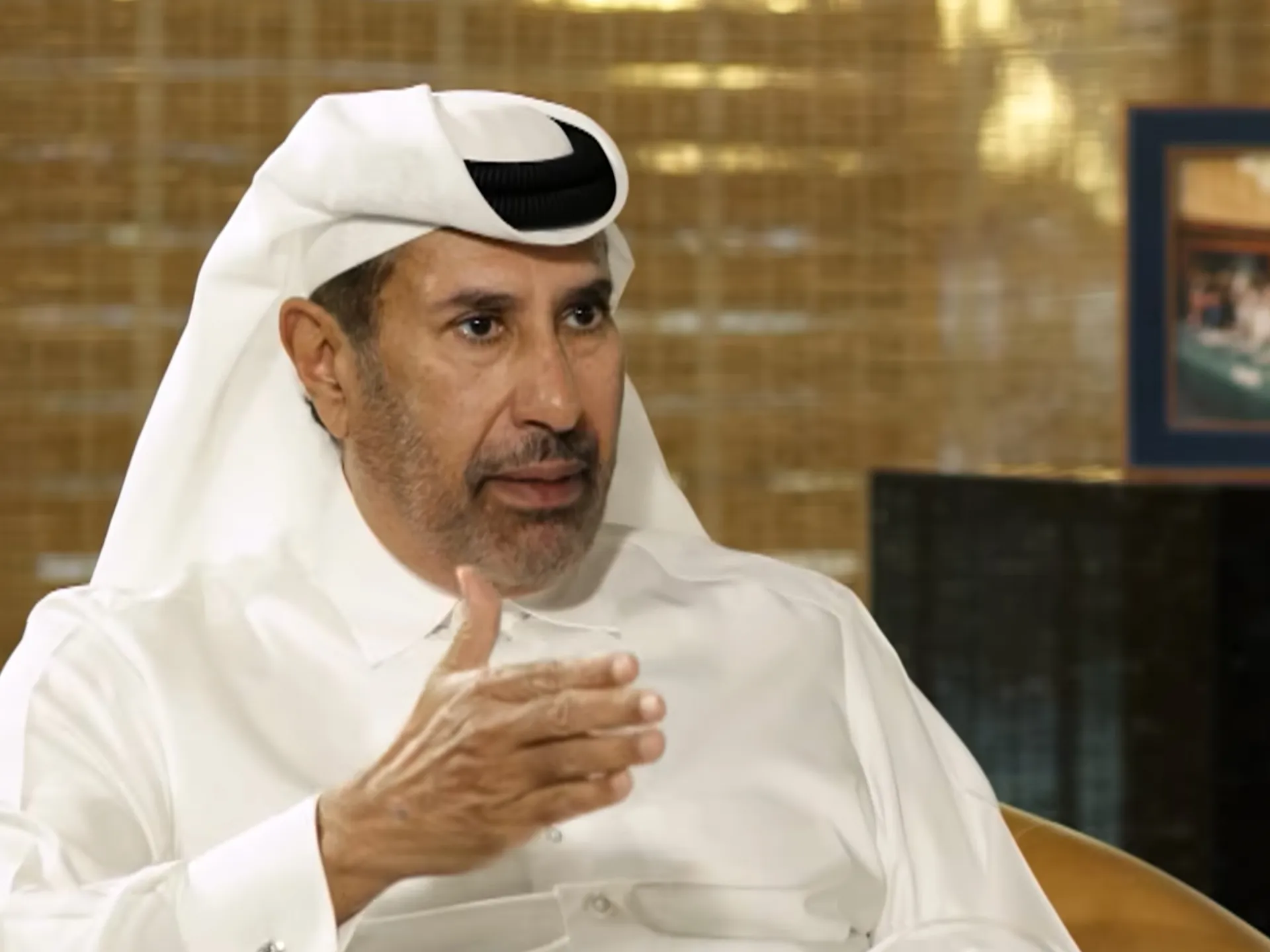
The ongoing United States-Israel war on Iran is not the result of a sudden escalation but the culmination of a long-term Israeli agenda to violently reshape the Middle East, according to former Qatari Prime Minister and Foreign Minister Sheikh Hamad bin Jassim Al Thani. Speaking on Al Jazeera's Al Muqabala programme, the veteran diplomat offered a stark assessment of the region's rapidly shifting geopolitical landscape, describing the current turmoil as a major restructuring that will dictate the shape of the Middle East for decades to come.
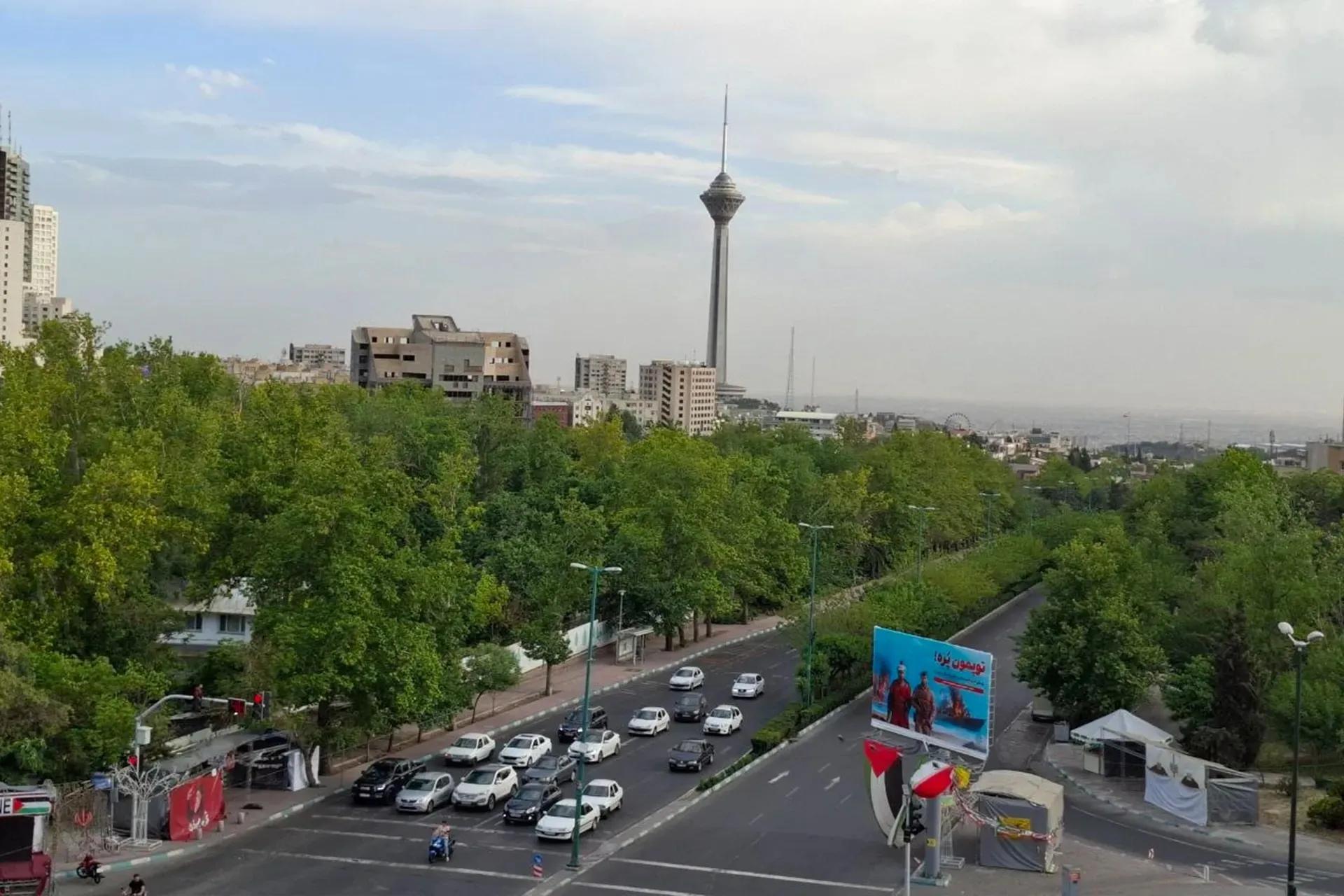
Sheikh Hamad identified the crisis in the Strait of Hormuz as the most dangerous consequence of the conflict, warning that Iran now treats the vital international waterway as its own sovereign territory. He argued that this weaponisation of the chokepoint poses a more immediate and severe threat to global economies than the Iranian nuclear programme, noting that Tehran successfully absorbed initial military strikes to leverage this new strategic advantage.
The former Qatari premier accused Israeli Prime Minister Benjamin Netanyahu of selling an illusion to the United States administration, convincing Washington that the war would be short and swift and that the Iranian regime would fall within weeks. Sheikh Hamad noted that while previous US governments, including during President Donald Trump's first term, hesitated to launch a full-scale war, Netanyahu finally succeeded in dragging the US into a conflict over Tehran's nuclear programme since the Clinton administration in the 1990s.
To counter the threat of internal Gulf disunity, which Sheikh Hamad declared to be the greatest danger to the region, he proposed the creation of a "Gulf NATO". This joint political and defence project would begin with a core group of strategically aligned Gulf nations, with Saudi Arabia serving as its natural backbone, to reduce reliance on the United States as Washington shifts its focus towards Asia and the containment of China.
Turning to the issue of Palestine, Sheikh Hamad condemned the killing of civilians on all sides but accused Israel of committing a moral and political disaster in Gaza. He cited intelligence indicating that money is being offered to encourage Palestinians to leave the enclave, effectively turning Gaza into a real estate project, and warned of an Israeli plot to depopulate the strip without a guaranteed political horizon for an independent Palestinian state.
Reflecting on recent regional shifts, Sheikh Hamad expressed relief at the fall of Bashar al-Assad's regime in Syria and praised the pragmatism of the new Syrian leadership in avoiding Israeli provocations. He urged the new administration to focus on economic and institutional rebuilding after nearly 14 years of war and mismanagement, while calling for a frank, collective Gulf dialogue with Tehran rather than fragmented unilateral communications to establish a realistic framework for the future.