Former Nintendo President Reveals Amazon Sought Illegal Subsidies to Undercut Walmart in 2000s
In a recent lecture at NYU, the former Nintendo of America President disclosed that the retailer once asked for financial support to break the law, prompting a strategic shift in how the company managed its retail partnerships.
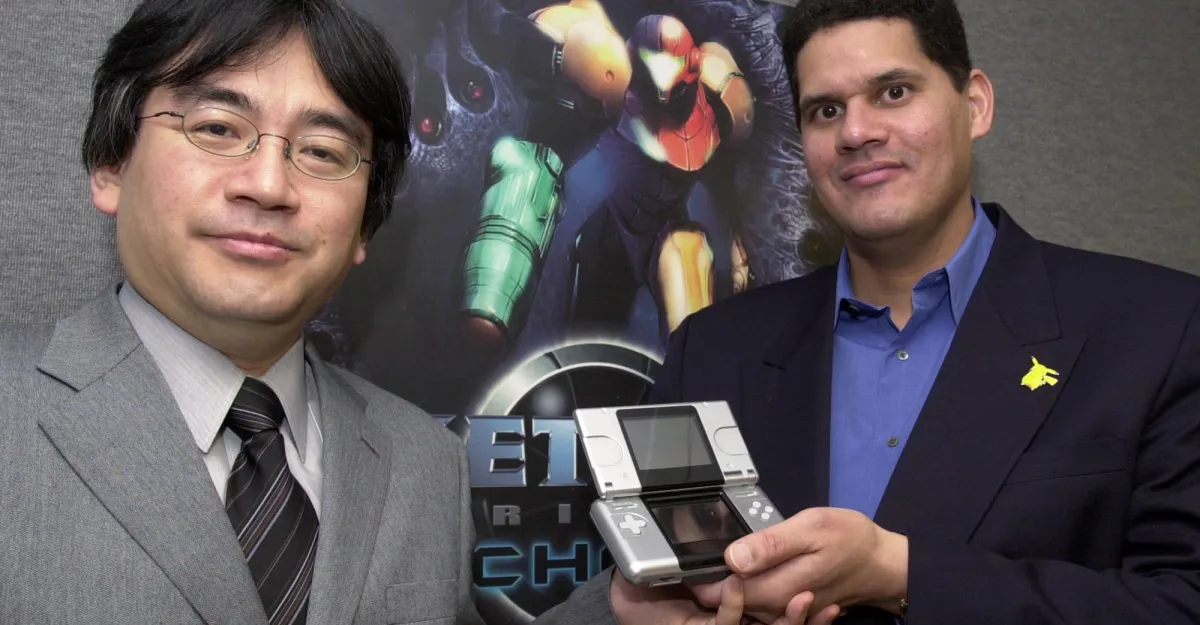
Former Nintendo of America President Reggie Fils-Aimé has disclosed that Amazon once requested an obscene amount of financial support from the Japanese gaming giant to undercut Walmart on console pricing. Speaking at a recent lecture at New York University, Fils-Aimé recounted how the retailer sought preferential treatment during the era of the Nintendo DS to gain an aggressive price advantage over traditional brick-and-mortar competitors.
The former executive stated that when the Amazon representative presented the proposal, he explicitly refused, noting that providing such subsidies would be illegal and jeopardise relationships with other retailers. Fils-Aimé recalled telling the Amazon executive, "You know that's illegal, right? I can't do that," emphasising that Nintendo would not engage in practices that violated the law or threatened its broader distribution network.
As a direct result of this refusal, Nintendo decided to stop selling its DS consoles to Amazon for a significant period in the 2000s. Fils-Aimé explained that the move was designed to assert that the company would not be pushed around and to build respect by maintaining strict business boundaries. The incident highlighted the tension between Amazon's aggressive expansion beyond books and Nintendo's need to protect its established retail ecosystem.
The specific nature of the financial support requested by Amazon was not detailed by Fils-Aimé, though he described the sum as obscene. While the claim that Amazon wanted to break the law remains an allegation based on Fils-Aimé's retrospective account, it underscores the high-stakes negotiations that once defined the relationship between the two tech giants. The decision to sever ties was driven by a desire to avoid breaking the law and to prevent putting at risk the relationship with other retailers.
Despite the historical rift caused by the dispute over the Nintendo DS, the two companies have since reconciled. This renewed partnership is evident in the current availability of Nintendo Switch 2 units on the Amazon platform, marking a significant shift from the era when Nintendo consoles were largely unavailable on the site. The resolution indicates that the business relationship has moved past the initial conflict over pricing strategies.
The revelation comes as part of Fils-Aimé's broader reflections on the evolution of retail dynamics in the gaming industry. His comments serve as a reminder of the regulatory and ethical considerations that influence how major institutions move money and manage their supply chains. The story remains a notable chapter in the history of how Amazon and Nintendo navigated the complexities of the digital age.
