Former NHL star Claude Lemieux’s brain donated for CTE research
The Boston University CTE Center will examine the brain of Claude Lemieux to investigate long-term effects of repetitive brain injuries, with the family cautioning against premature diagnostic conclusions.
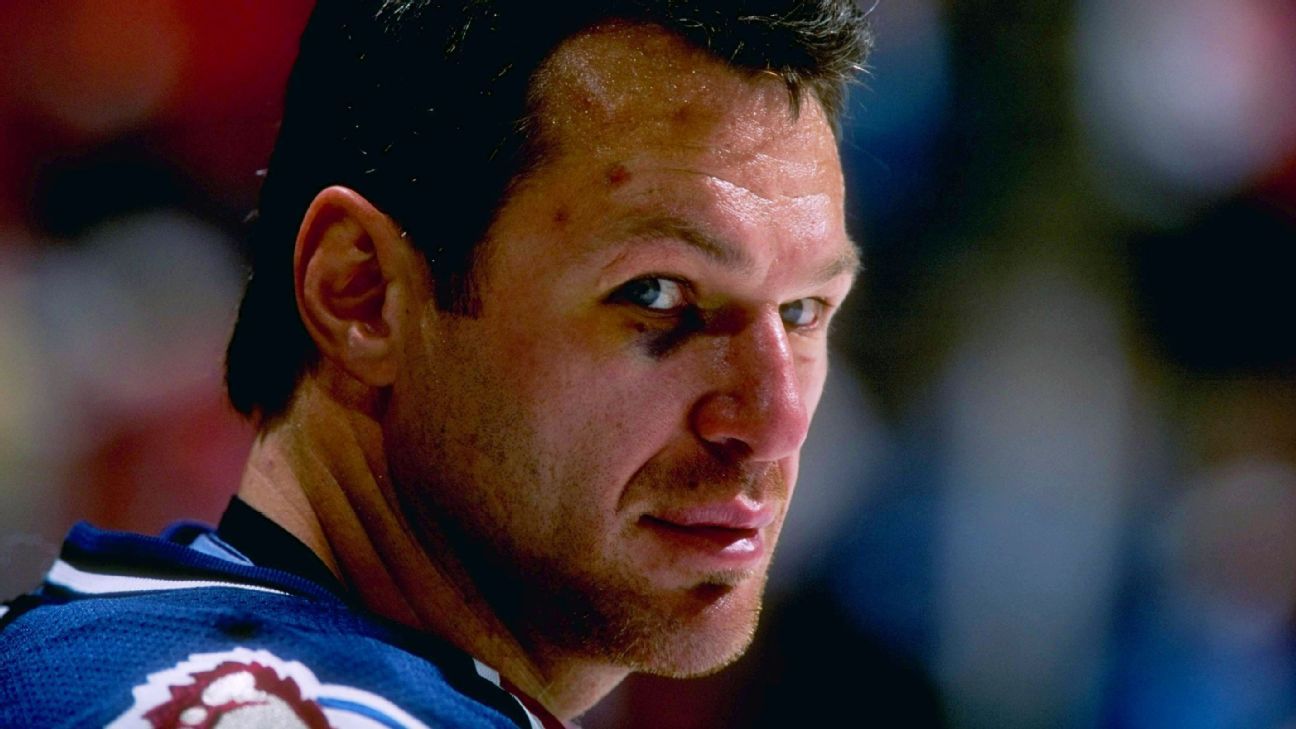
The family of former National Hockey League player Claude Lemieux has announced that his brain will be donated to the Boston University CTE Center for research into the long-term effects of repetitive brain injuries. The decision was confirmed in a statement released on Saturday by his daughter, Claudia Lemieux Bishop, following the player’s death earlier in the week.
Lemieux, who died by suicide at the age of 60 on Thursday according to authorities, leaves behind a significant legacy in professional hockey. His career spanned from 1983 to 2009, during which he played nearly 1,500 games across six teams. Known for a hard-hitting playing style and an ability to perform in high-pressure situations, he won the Stanley Cup four times.
The donation comes shortly after Lemieux served as the Montreal Canadiens’ torchbearer before a playoff game earlier in the week. The family has granted the CTE Center permission to publicly share any research findings under Lemieux’s name, aiming to contribute to greater understanding and better protection for athletes and their families in the future.
In their statement, the family highlighted Lemieux’s dedication to the next generation of players, noting his post-playing career as an agent. They expressed hope that his contribution to science would foster more honest conversations about athlete welfare, though they explicitly cautioned that no conclusions should be drawn regarding a specific diagnosis at this stage.
The Boston University CTE Center will utilise the donated tissue to study the impacts of repetitive brain injuries sustained during Lemieux’s extensive career. The family’s directive ensures that while the research may be attributed to Lemieux, it will not be used to establish a definitive medical diagnosis for the former athlete, reflecting the ongoing nature of the investigation.