Former NASA Administrator Jim Bridenstine Appointed CEO of Quantum Space
Bridenstine, a former naval aviator and Oklahoma Representative, returns to the military space sector to lead efforts in rapid in-space maneuvering and refuelling capabilities.
Jim Bridenstine, the former administrator of NASA and a US Representative from Oklahoma, has been appointed chief executive officer of Quantum Space. The Maryland-based company specialises in developing advanced maneuverable spacecraft designed for national security purposes. This appointment marks Bridenstine's return to the military space sector five years after he departed NASA.
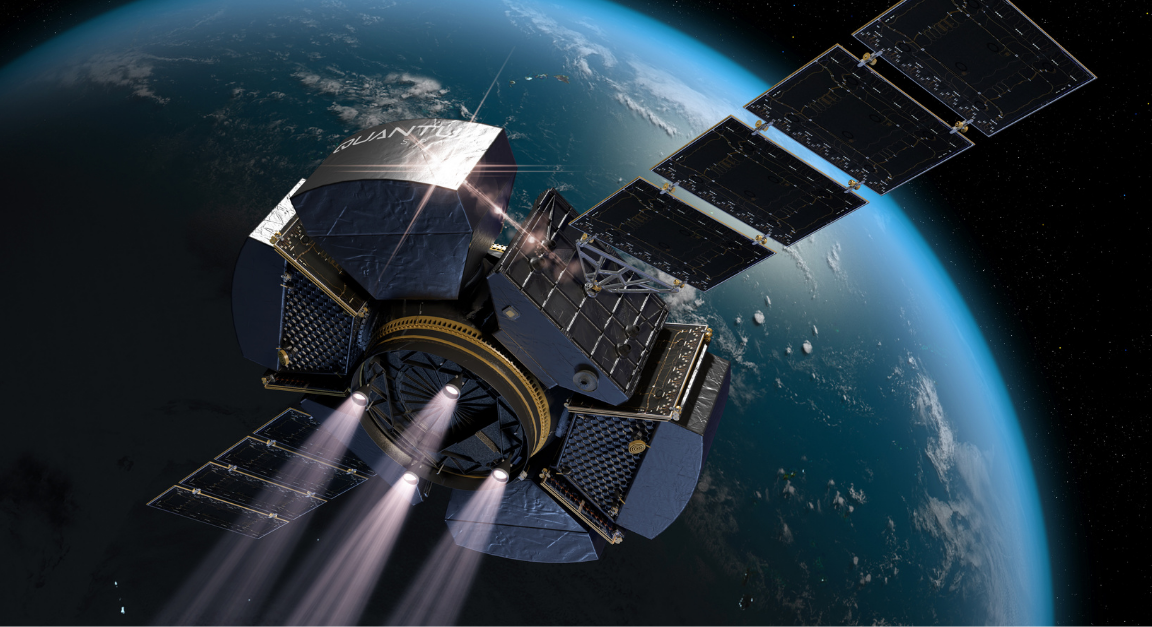
Quantum Space is currently developing the Ranger spacecraft, a vehicle roughly the size of a Volkswagen Beetle before solar panel deployment. The design aims to provide the US military with unparalleled maneuvering capabilities across low-Earth orbit, geostationary orbit, and cislunar space. To enable rapid movement, the spacecraft carries 4,000 kg of hydrazine propellant and features the ability to be refuelled, as well as the capacity to refuel other vehicles.
The company has secured contracts to support several key US Space Force initiatives, including the LASSO program for lunar water characterisation and the Air Force Research Lab's Oracle-P program for space situational awareness. Additionally, Quantum Space is one of 14 competitors in the $6.2 billion Andromeda program, which focuses on developing surveillance and reconnaissance satellites.
Bridenstine noted that the US Space Force is actively seeking new in-space maneuvering capabilities, citing an 80 per cent increase in Space Force funding in President Trump's fiscal year 2027 budget request. To bolster its technical capabilities, Quantum Space acquired Phase Four last September. The company is privately capitalised and has raised $80 million in Series A funding, with plans to launch the first Ranger spacecraft in July 2027 to demonstrate propulsion capabilities.
Bridenstine, who previously championed commercial space as a means to reduce costs while increasing capabilities during his tenure at NASA, expressed support for current NASA Administrator Jared Isaacman's efforts to accelerate the Artemis program. He specifically highlighted the success of Artemis II, noting the emotional significance of the mission and the importance of maintaining momentum in America's return to the Moon.
