Former FBI Director James Comey Indicted in North Carolina Over Alleged Threat to President Trump
This marks the second federal indictment against Comey regarding the conduct, following a dismissed charge in Virginia, as authorities pursue legal action over a social media image interpreted as a coded threat.
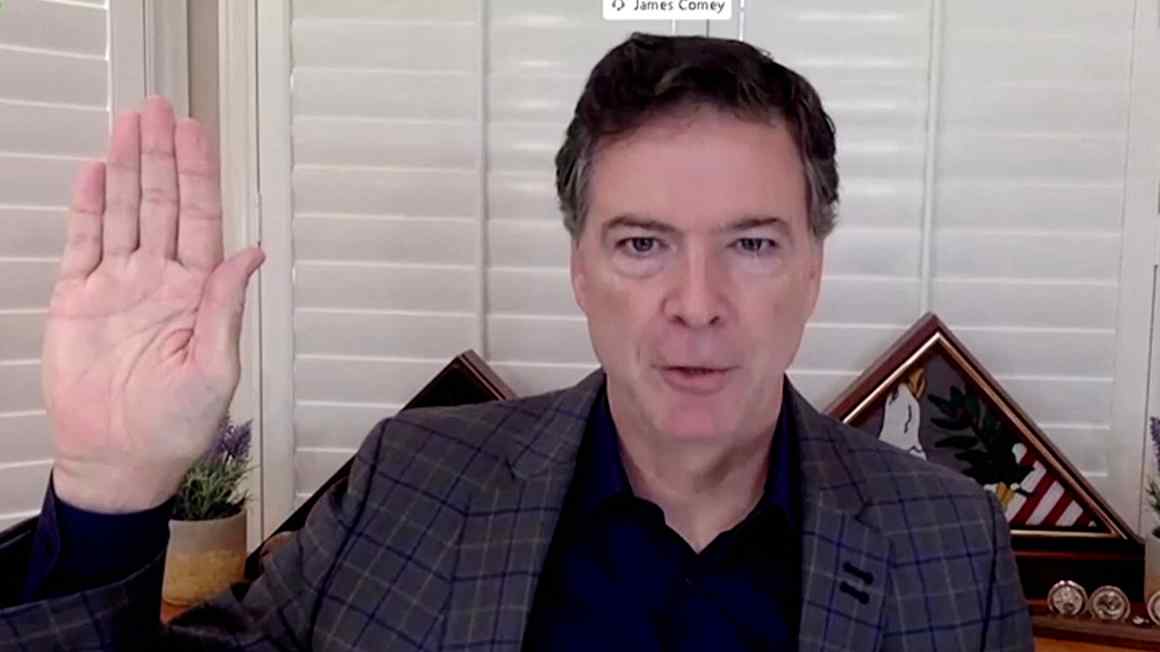
A federal indictment issued on Tuesday, 28 April 2026, has charged former FBI Director James Comey with knowingly and willfully threatening the life of President Donald Trump. The legal proceedings are taking place in North Carolina, where authorities allege that Comey attempted to convey an intent to do harm to the President.
The charges stem from an Instagram post made by Comey in 2025, which depicted seashells arranged on a beach to form the numbers "86 47". Prosecutors argue that a reasonable recipient familiar with the circumstances would interpret this specific arrangement as a serious expression of intent to harm the President. The indictment asserts that the image was not merely a casual photograph but was intended to communicate a threat.
This federal action represents the second attempt by authorities to prosecute Comey for this specific conduct. A previous indictment regarding the same conduct was filed in Virginia but was subsequently dismissed. The Department of Justice is now pursuing the case in North Carolina, maintaining that the public posting of the photograph on the internet constituted a willful threat against the President's life.
Concurrently, federal investigators are probing a separate and distinct security incident involving a gunman who attempted to breach security at the White House Correspondents' Association dinner. Investigators have confirmed that the suspect in that incident intended to assassinate President Trump and several top officials, prompting increased scrutiny of event security protocols.
The prosecution's case relies exclusively on the interpretation of the social media image described in the indictment. While the full text of the indictment is not provided in the source material, the core allegation rests on the claim that the shell arrangement was designed to signal an intent to harm. Legal experts note that the subjective intent of the sender versus the objective interpretation by a recipient remains a central point of contention in such cases.
The timeline of events places the alleged threat-making conduct in 2025, with the formal legal response arriving in April 2026. This development underscores the ongoing legal challenges facing former intelligence officials and highlights the evolving nature of federal prosecutions involving digital communications and national security figures.