Ford selects Apple as inaugural partner for native vehicle mapping integration
The automaker’s 2027 midsize electric truck will feature MapKit for Automotive, a move that supports next-generation BlueCruise autonomy and fleet management capabilities.
Apple has announced the launch of MapKit for Automotive, a new software development kit designed to allow automakers to embed Apple Maps directly into vehicle infotainment systems. Ford has been confirmed as the first commercial partner for the technology, with the integration set to debut in its 2027 midsize electric truck. The vehicle, priced at $30,000, represents a significant pivot in the company’s strategy, moving away from reliance on smartphone connectivity through Apple CarPlay towards deeper, native system integration.
The new mapping solution operates independently of an iPhone, allowing drivers to access features such as EV-specific routing, battery preconditioning, and natural language turn-by-turn directions without requiring a paired mobile device. Battery preconditioning is a key component of this integration, designed to prepare the vehicle’s battery to an optimal temperature before arrival at a charging station, thereby reducing charge times. The system also provides real-time traffic and incident data, alongside detailed place information, directly to the vehicle’s central display.
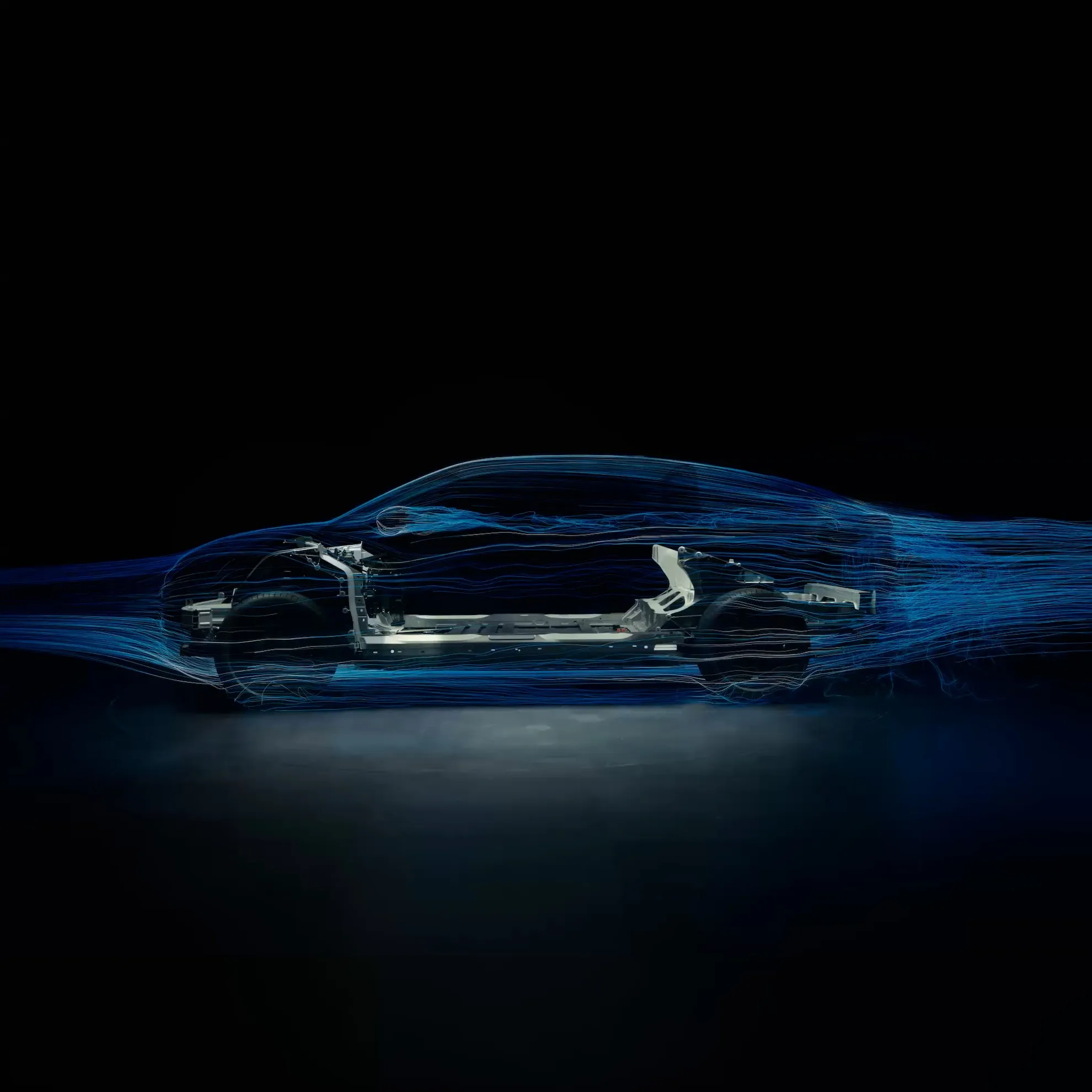
This software update is central to Ford’s broader architectural shift towards its new Universal Electric Vehicle (UEV) platform. The platform utilises single-piece aluminum unicastings to streamline assembly and underpins a range of future vehicles, including sedans, crossovers, three-row SUVs, and small commercial vans. While the structural changes in the vehicle’s chassis are notable, Ford views the native mapping integration as essential for delivering responsive features to owners and supporting its advanced driver assistance systems.
The integration provides critical data feeds to Ford’s next-generation BlueCruise hands-free driver assistance system. The upgraded BlueCruise, expected to roll out next year, will be capable of handling entire highway journeys, including entrance and exit ramps. Ford has stated that the long-term goal for the system is to achieve point-to-point autonomy, similar to Tesla’s Full Self-Driving (Supervised) software, with a target of enabling eyes-off driving capabilities by 2028.
Beyond consumer features, the native mapping infrastructure offers potential applications for Ford Pro, the company’s commercial fleet division. The technology could facilitate job site routing for drivers and enable enhanced fleet vehicle tracking. Additionally, the system may support smart home integrations, such as automatically opening garage doors or turning on lights upon arrival. While the MapKit for Automotive SDK is open to other automakers, Ford remains the launch partner under a commercial agreement whose terms were not disclosed.
