Ford and AT&T pivot to skilled trades as AI reshapes US labour market
A shift in corporate hiring strategies driven by artificial intelligence is altering demand dynamics for US workers, with blue-collar sectors gaining ground relative to traditional white-collar entry paths.
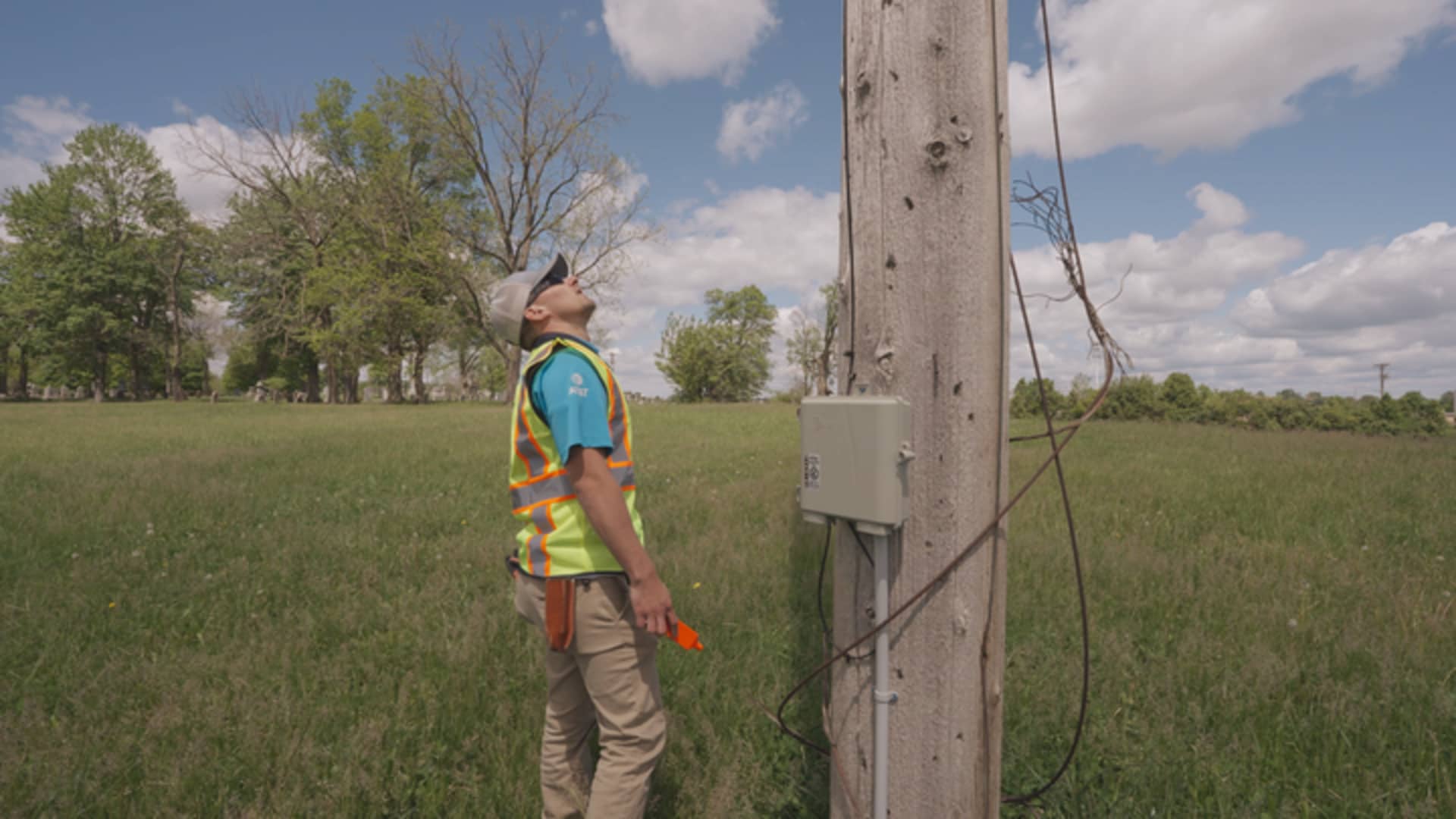
Major US corporations, including Ford and AT&T, are actively increasing recruitment for skilled trade workers, a move that contrasts sharply with a reported slowdown in hiring for entry-level roles typically held by college graduates. This divergence in hiring trends suggests a significant realignment in the US labour market, where the adoption of artificial intelligence is impacting the traditional career pathways for new graduates.
According to a report by CNBC, the AI-driven hiring slowdowns are specifically affecting positions that have historically served as entry points for university-educated workers. As companies integrate AI technologies into their operations, the demand for these specific types of graduate-level roles appears to be contracting, creating a distinct headwind for that segment of the workforce.
In response to these shifting dynamics, industry leaders are turning towards the skilled trades. Ford and AT&T have ramped up their recruiting efforts for trade positions, indicating a strategic pivot towards blue-collar labour. This trend highlights a potential benefit for workers in the trades, who may find increased opportunities as the economy adjusts to the capabilities and limitations of automated systems.
The broader implication of this shift is a potential rewriting of the traditional economic narrative surrounding the "American Dream." While the source material notes that blue-collar workers are poised to win from these changes, it remains unclear whether this trend is isolated to Ford and AT&T or represents a broader, industry-wide shift across the US economy.
The report does not specify the exact number of skilled trade jobs being created, nor does it detail the specific entry-level roles being automated. However, the contrast between the slowing graduate hiring and the rising demand for trade skills underscores a fundamental change in how major institutions are valuing different types of labour in the age of AI.