Florida man loses limb to flesh-eating bacteria as warming waters heighten public health threat
Medical experts warn that rising ocean temperatures are expanding the geographic range of the pathogen, turning a rare coastal hazard into a more widespread public health concern.
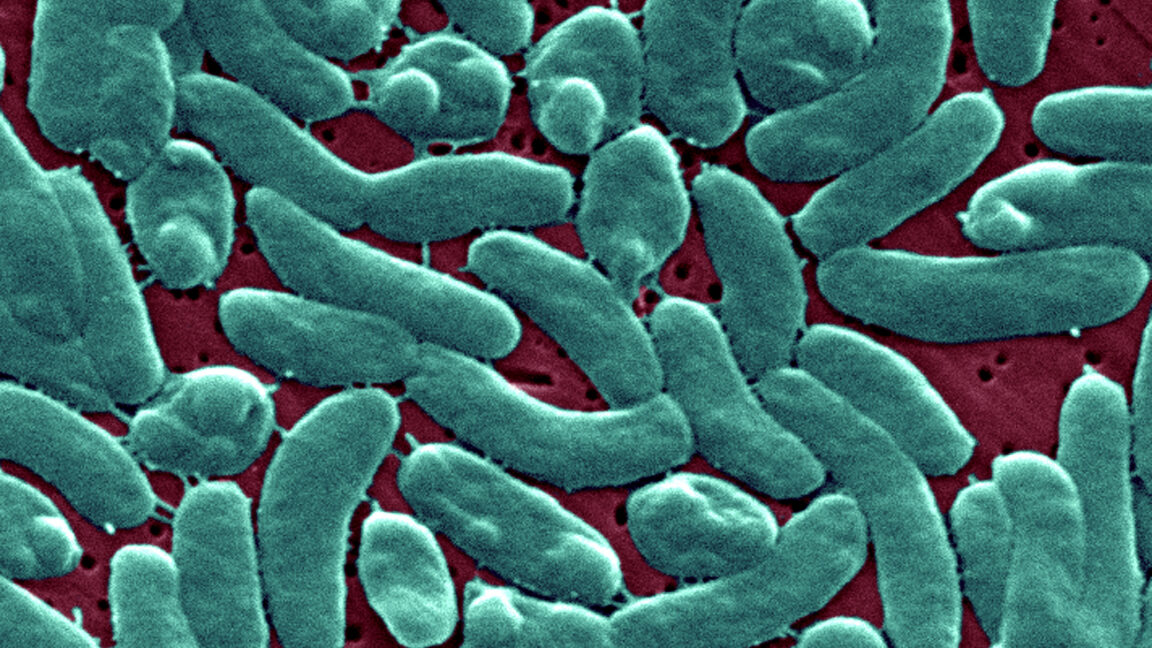
A 74-year-old man in Florida has lost his right leg and suffered extensive damage to his forearm after contracting a severe infection from the flesh-eating bacterium Vibrio vulnificus. The incident, which occurred after the man jumped into Gulf Coast waters with an open cut on his leg, resulted in the rapid necrosis of tissue within just three days.
According to a case report published in the New England Journal of Medicine, the patient arrived at the emergency department with limbs that were discoloured and emitting a crackling sound, a clinical sign known as crepitus that indicates gas production in the tissue. Doctors also observed large hemorrhagic bullae, or blood blisters, on his arm, confirming the severity of the flesh-eating infection.
The pathogen, which thrives in warm, brackish waters, was identified through blood and tissue samples taken during surgery. While the bacteria can enter the body through contaminated seafood, particularly oysters, this specific case highlights the danger of direct water contact with open wounds. The rapid spread of the infection necessitated the amputation of the man's right leg above the knee and extensive skin grafting for his forearm.
Despite the severity of the tissue loss, the patient survived following a regimen of antibiotics and surgical intervention. Medical records indicate that while the overall mortality rate for V. vulnificus infections is approximately 35 per cent, the figure rises to between 50 and 60 per cent for individuals with immunocompromising conditions or liver disease. For those who develop sepsis, the mortality rate is also around 50 per cent.
The case serves as a stark illustration of how climate change is altering the landscape of infectious disease. Between 1998 and 2018, the number of US cases of V. vulnificus increased eightfold, with the bacteria expanding its range into previously rare areas such as Massachusetts, New Hampshire, and Maine. Experts note that rising water temperatures, storm surges, and salinity changes are projected to further increase the abundance and geographic spread of the pathogen.
In response to the growing threat, the Centers for Disease Control and Prevention advises that individuals with open wounds should avoid exposure to brackish water or cover wounds tightly if swimming is unavoidable. The agency also recommends washing hands after handling raw seafood and ensuring that any seafood consumed is thoroughly cooked to mitigate the risk of infection.
