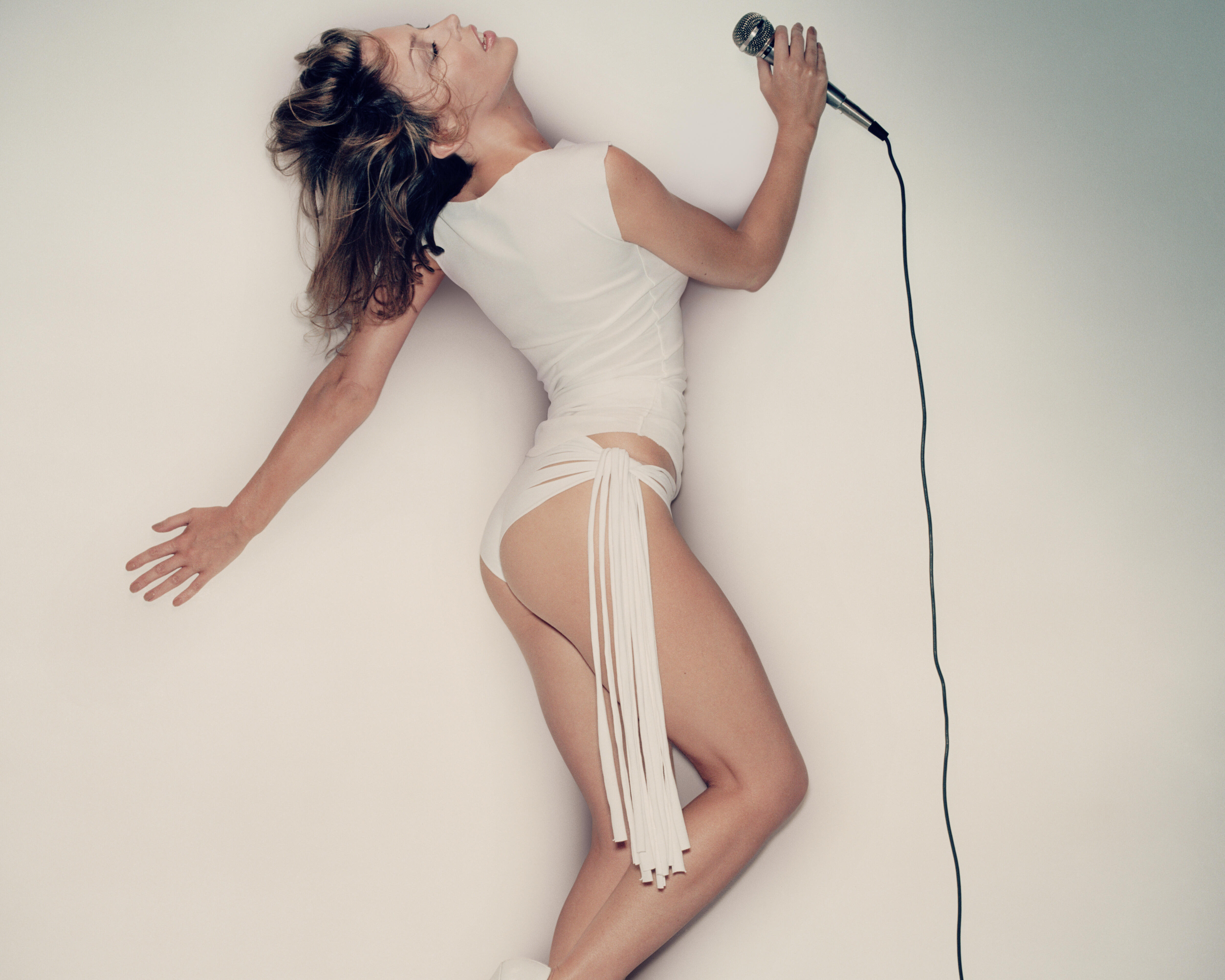
Florentina Holzinger’s Seaworld Venice: Nudity, Urine and the Social Media Paradox
As Florentina Holzinger’s *Seaworld Venice* dominates the Venice Biennale, the artist reflects on the irony of real bodies being deemed more shocking than historical art, and the unintended consequences of digital documentation.
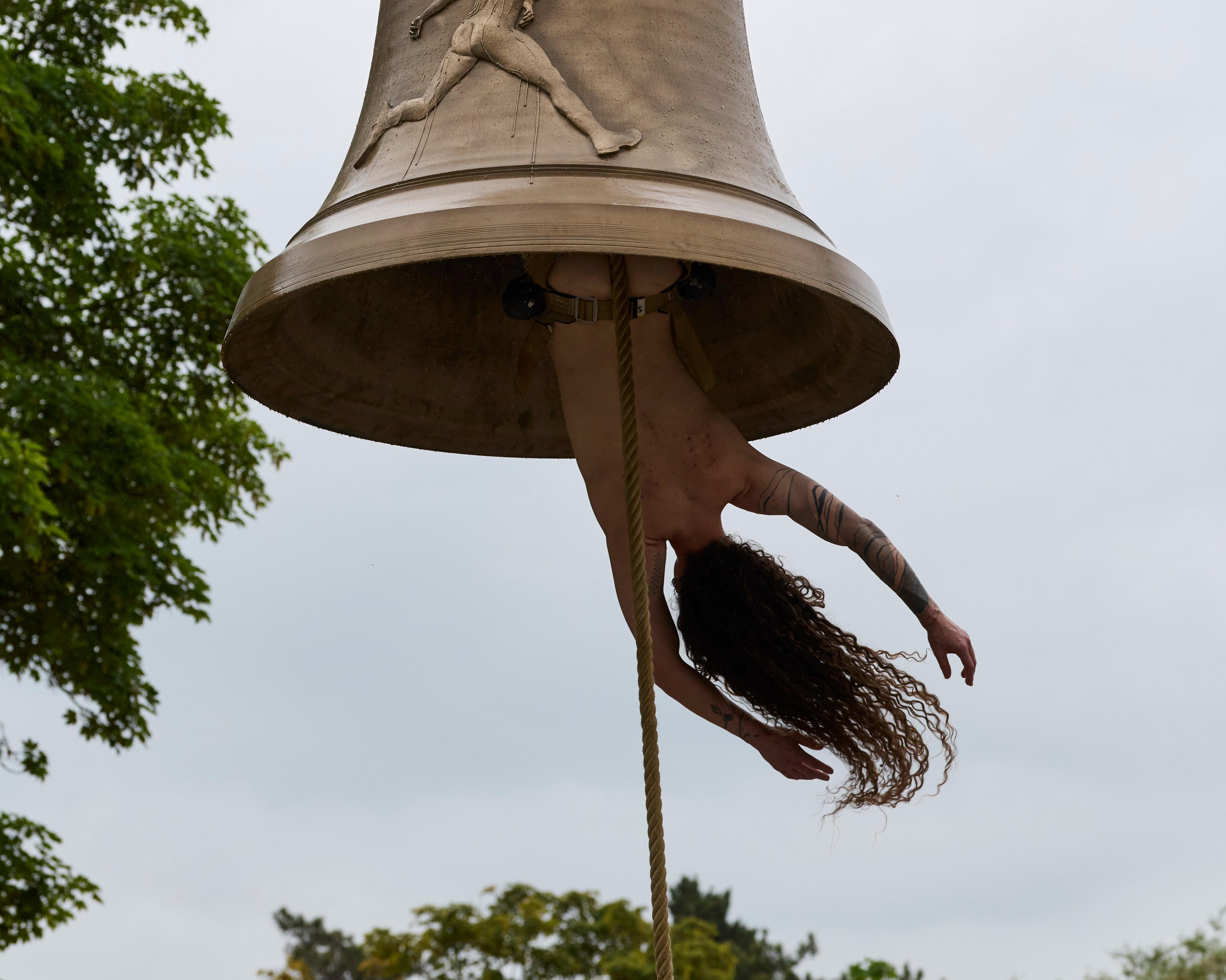
Austrian artist and choreographer Florentina Holzinger’s performance installation, *Seaworld Venice*, has become the focal point of the Venice Biennale, generating intense discussion through its unapologetic display of nudity and bodily functions. Housed in the Austrian Pavilion, the work features nude performers engaging in provocative acts that range from jetski stunts to a performer submerged in a tank of filtered audience urine. The installation, which runs until 22 November, transforms the pavilion into a hybrid space that Holzinger describes as part temple, part gallery, part theme park, and part sewage processing plant.
The centerpiece of the outdoor performance involves a cast-iron bell hoisted by a crane above the lagoon. Suspended upside down within the bell is a long-haired woman who slams her body against the metal, sending a ringing sound across the water. This act is part of a broader repertoire that includes electric guitarists climbing slippery cranes and performers executing contortion acts in pools. Holzinger, known for her previous opera *Sancta* which toured European opera houses for two years, brings a reputation for staging works that provoke fainting and tabloid outrage through their use of nudity, blasphemy, and body modification.
Despite the historical context of Venice as the birthplace of the reclining nude, Holzinger has expressed surprise at the intensity of public reaction to the nudity in *Seaworld Venice*. She questions why real bodies are deemed more provocative than the static, erotic depictions of women that define the city’s artistic heritage. The installation challenges this tradition by presenting live, muscular performers who are impervious to the cold and pain, often displaying scars from previous performances that serve as a testament to their physical commitment.
The work also incorporates functional toilets, with performers instructing visitors on their use, a decision rooted in a sustainability theme focused on water and waste management. Holzinger notes that the Austrian Pavilion has historically served as an unofficial toilet area for Biennale attendees due to its location at the rear of the site. By making these facilities functional and visible, she highlights societal perceptions of different types of labour, asking whether it is more difficult to spend hours submerged in water or to serve as a toilet attendant.
The prevalence of visitors filming the performance for social media has had tangible consequences, leading to the temporary suspension of Holzinger’s Instagram account. She observed that many art world luminaries ignored “No photography” signs, treating the pavilion like a human zoo. While Holzinger states that she does not wish to police people, she finds it outrageous that audiences seem unable to perceive art without the mediation of a screen, a phenomenon that has inadvertently disrupted her digital presence while amplifying the work’s visibility.