Flipkart hits 1,000 micro-fulfilment centres as Amazon accelerates India quick-commerce push
With order volumes surging 400% year-on-year and expansion into smaller cities driving growth, Flipkart’s Minutes service positions itself as the second-largest quick-commerce network in India, trailing only Blinkit.
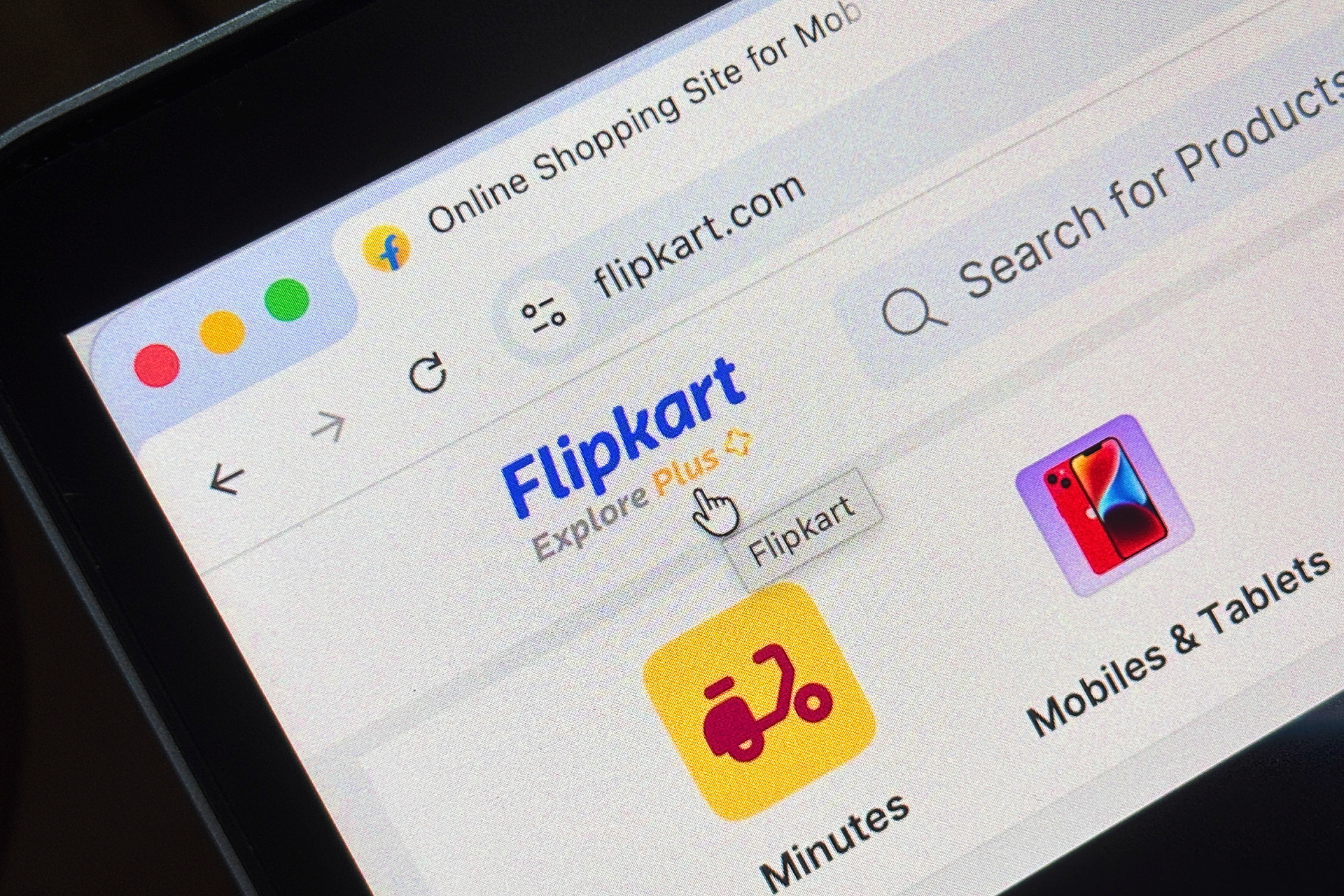
Walmart-backed Flipkart has established 1,000 micro-fulfilment centres for its Minutes quick-commerce service in India, a milestone reached less than two years after the platform launched in August 2024. The company plans to expand this network to 1,500 centres by the end of 2026, maintaining a build-out rate of 75 to 100 new facilities per month. This rapid infrastructure expansion intensifies competition with Amazon, which is accelerating its Amazon Now service across more than 15 cities and aims to reach 1,000 centres across 100 cities.
According to a recent note by Jefferies, Blinkit, owned by Eternal, remains the market leader with 2,243 micro-fulfilment centres. Based on current store counts and announced expansion plans, Flipkart could emerge as India’s second-largest quick-commerce network by facility count. Rivals Zepto and Swiggy Instamart are also expanding their networks in a sector that Bernstein estimates currently holds more than 5,500 dark stores, with projections reaching approximately 7,500 by 2030.
Flipkart reported a 400% year-on-year growth in orders, driven by an expansion into smaller cities outside major metropolitan areas. The service is now available in more than 130 cities and 8,000 postal codes, with growth increasingly coming from these secondary markets. These smaller cities recorded more than 4,000% growth from a year earlier, aided by the addition of 90 new cities to the network. Kunal Gupta, head of Flipkart Minutes, cited Patna, Guwahati, and Siliguri as examples where new stores are ramping up faster than expected.
Demand on the platform is shifting beyond groceries to include electronics, beauty, and personal care products. Gupta noted that customer retention has increased by 20% year-over-year, with average order values for fruits and vegetables rising 30%. He described the shift as a change in shopping habits, where customers use Minutes alongside the main e-commerce platform rather than as a replacement, driving more frequent purchases of daily essentials.
Amazon is simultaneously targeting growth outside India’s largest cities, stating that 70% of its new Prime members come from smaller markets. The US tech giant aims to double its Prime membership base from 2023 levels by year-end. Amazon Now currently operates over 500 micro-fulfilment centres and plans to broaden its assortment beyond groceries into apparel, electronics, and home products. The competitive landscape underscores India’s emergence as a critical testing ground for the next phase of e-commerce, with companies racing to transform quick commerce from a grocery-delivery service into a broader shopping platform.
