Five decades of innovation have transformed in vitro fertilisation from a low-success treatment into a versatile tool for reproductive choice and fertility preservation
Technological progress has fundamentally altered the landscape of assisted reproduction, enabling safer procedures and new options for delaying parenthood
Over the last fifty years, technological progress has significantly improved the safety and effectiveness of in vitro fertilisation (IVF). What began as a pioneering infertility treatment has evolved into a sophisticated medical field offering diverse reproductive choices. These innovations have not only increased success rates but also reduced the risks associated with multiple births and hormonal treatments.
A key development in this transformation is the extension of embryo culture periods. Clinicians have moved from culturing embryos for two days until they reach two or four cells to a standard of five or six days, when they contain between 80 and 100 cells. This extended period acts as a stress test, allowing only the most viable embryos to develop. Consequently, live birth rates for typical healthy patients have doubled from 12 to 15 per cent to 25 per cent.
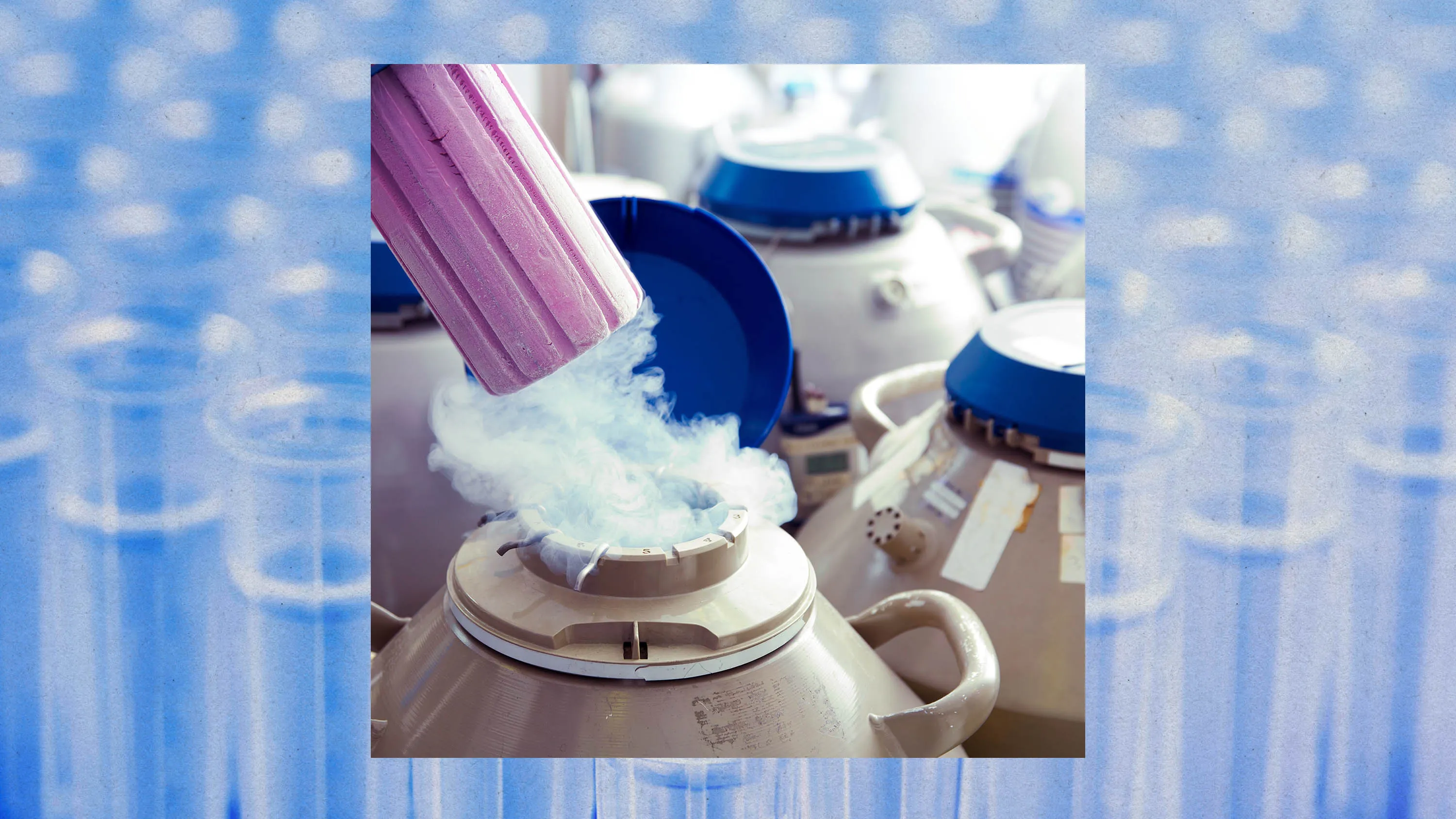
Simultaneously, the adoption of vitrification has revolutionised how embryos are stored. This method involves rapidly cooling embryos to a glassy state, which results in superior survival rates during the freezing and thawing process compared to previous slow-freezing techniques. Because vitrified embryos are more likely to survive, doctors no longer need to transfer multiple embryos simultaneously. This shift has directly reduced the incidence of twins and triplets, lowering the associated risks of pregnancy complications.
These technological advances have also made IVF safer for patients undergoing hormonal stimulation. The ability to freeze all embryos and use them at a later date gives the body time to recover from the initial treatment phase. This recovery period reduces the risk of ovarian hyperstimulation syndrome, a condition that can be life-threatening in rare cases. The capacity to pause treatment cycles has provided patients with greater flexibility and safety.
Furthermore, the extended culture time enables new possibilities for genetic screening. Clinics can now take a few cells from the 100 or so cells present in a day-six embryo to send them for genetic testing before freezing. This allows people undergoing IVF to receive genetic readouts of all embryos before deciding which to implant. However, it is important to note that while these technologies offer significant benefits, the text indicates that these testing methods are not perfect.
Beyond treating infertility, IVF has expanded into a tool for fertility preservation. Individuals can now delay parenthood by storing eggs or embryos for future use. Additionally, those facing cancer treatments that might damage their ovaries or testes can store gametes or even pieces of ovarian and testicular tissue for later reimplantation. These options empower individuals to maintain reproductive potential despite medical challenges.
While current standard practice focuses on these established improvements, the field continues to look toward the future. Emerging technologies such as artificial intelligence, robots for sperm injection, and the potential to grow human fetuses in the lab are being explored. However, these remain future developments rather than current standard practice, with the immediate focus remaining on the proven safety and efficacy of modern IVF techniques.
