Figma bridges design and code with AI tools at Config 2026
Figma’s latest update aims to reduce friction between creatives and developers by allowing direct code editing on the design canvas and automating visual tasks with artificial intelligence.
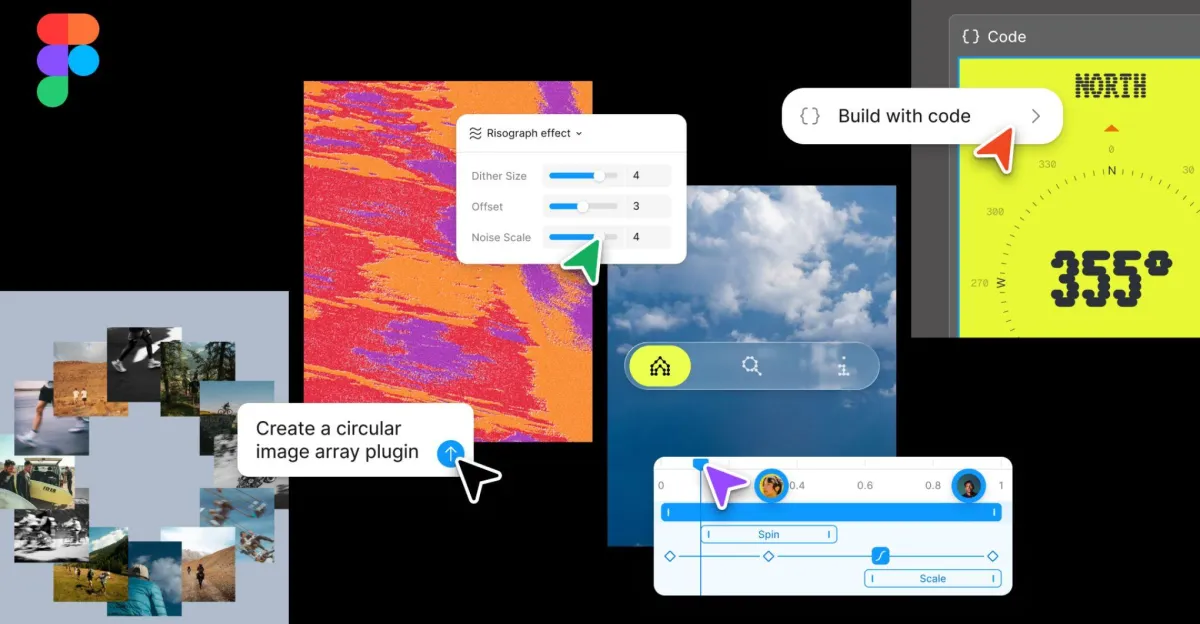
Figma has unveiled a suite of new design and coding features at its annual Config 2026 conference, signalling a strategic push to integrate development workflows directly into its design platform. The announcements include AI-generated motion graphics, shader effects, and 'code layers' that enable users to edit project code without leaving the design canvas. The updates are designed to help teams automate repetitive tasks and streamline the transition from concept to full-stack development.
Central to the release is the introduction of code layers, which allow users to work directly with code on the Figma Design canvas. According to the company, this feature enables developers and designers to clone repositories, generate new directions using Figma’s agent, extract flows into editable design layers, and sync changes back to code. The reimagined canvas is described as being optimised for full-stack development, aiming to bring teams, AI agents, and tools together in a single environment.
The platform also introduces new capabilities for visual animation and effects. Users can now create animations, transitions, and 3D transforms by describing them to Figma’s chatbot interface, with the resulting motion graphics connected to design systems and code-backed for deployment. Additionally, new shader tools powered by WebGPU allow users to prompt for effects such as dither, pixelate, and various blur types directly on the canvas, expanding the range of custom visual treatments available without external software.
Collaboration features have been enhanced through 'Figma Weave' workflow integrations and improved agent skills. The update includes integration with over 20 Weave tools to generate consistent visuals, marking the first step toward a full integration expected later this year. Teams can now turn repetitive work into reusable skills for Figma’s agent, with enhanced context provided by third-party connectors, web search, and file attachments.
Further extending the platform’s capabilities, Figma introduced generative plugins that allow users to build custom, reusable tools using the agent. These plugins can be created from prompts and shared across teams without requiring developer setup or technical skills. The company stated that the overall goal of these updates is to help creatives push their ideas further by reducing the friction between design and engineering.
