FIFA World Cup 2026: Governance, Expansion, and Regulatory Framework for North American Hosts
As the 48-team tournament prepares for its North American debut, the focus shifts from commercial betting incentives to the structural and regulatory implications of a tri-national hosting arrangement.
The 2026 FIFA World Cup represents a significant structural shift in international football governance, marking the first time the tournament is co-hosted by three nations: the United States, Mexico, and Canada. The event, which expands from the previous 32-team format to 48 participants, will utilise 16 venues across the three host countries. The tournament commences on June 11 with an opening match between Mexico and South Africa at Estadio Azteca in Mexico City, concluding with the final on July 19 at MetLife Stadium in East Rutherford, New Jersey.
From a policy perspective, the expansion to 48 teams necessitates a complex logistical and regulatory framework. The competition structure comprises 12 groups of four teams, with the top two from each group advancing automatically to a single-elimination knockout phase. This format change alters the traditional qualification dynamics and group stage outcomes, requiring robust oversight mechanisms to manage the increased volume of matches and international travel. The group stage runs from June 11 to June 25, followed by knockout rounds beginning on June 27.
The involvement of three sovereign states introduces unique jurisdictional considerations for sports betting and commercial regulation. Online sportsbooks are currently offering promotional codes and sign-up bonuses to users in jurisdictions where such activities are legal, including more than 30 US states, Washington DC, and Puerto Rico. Major platforms such as DraftKings, FanDuel, bet365, Caesars, BetMGM, and Fanatics Sportsbook are providing specific incentives, such as bonus bets for initial wagers. However, the legality and regulation of these activities vary significantly across the host nations, particularly in Canada and Mexico, where federal and provincial laws differ from the US model.
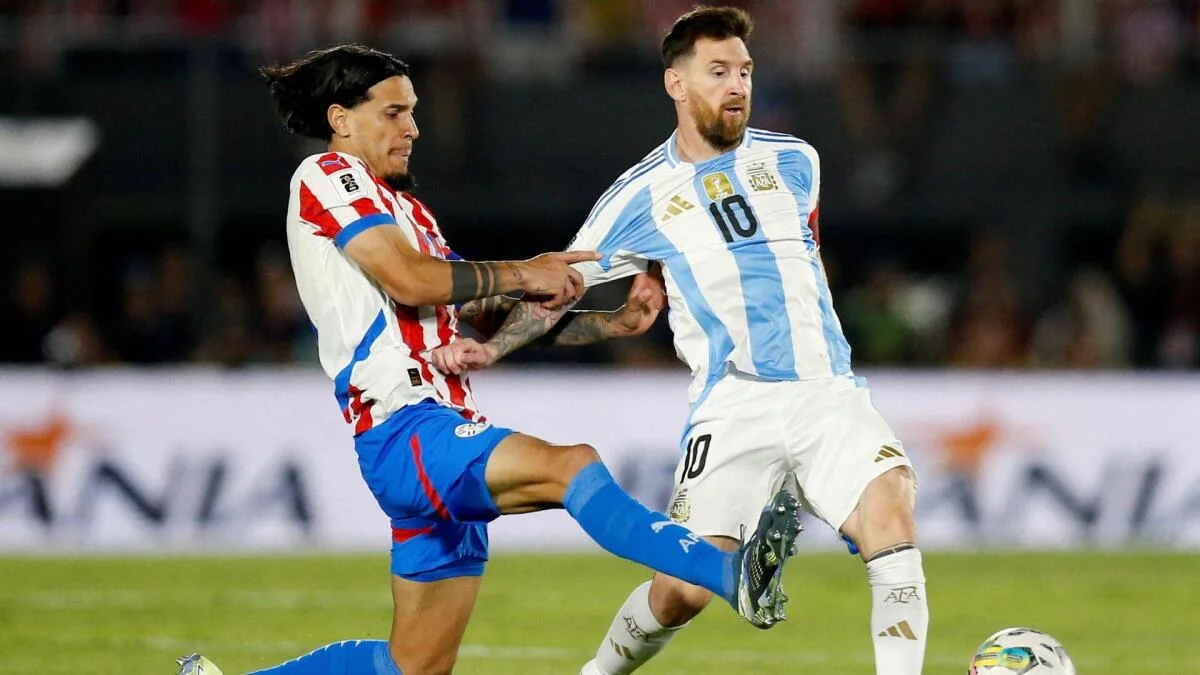
Spain is currently positioned as the slight betting favourite to win the tournament at +430 odds, ahead of France at +500. This market positioning reflects recent performance metrics, including Spain’s Euro 2024 triumph and their status as the top-ranked team in the World Rankings. Other key narratives include Lionel Messi’s potential final World Cup appearance for Argentina, the defending champions, and Kylian Mbappe’s pursuit of a title for France. These individual and national team dynamics will be closely monitored by regulatory bodies and sports integrity units across the host jurisdictions.
The hosting arrangement also carries historical significance for the participating nations. Canada, qualifying for only the second time in its history, and the United States, hosting for the second time after 1994, will operate under enhanced scrutiny regarding infrastructure readiness and fan safety. Mexico, set to become the first country to host three World Cups, will manage the opening match at Estadio Azteca. The tournament’s scale and the diversity of regulatory environments across the host nations will serve as a critical test case for future multi-national sporting events, particularly in the context of commercial sponsorship and consumer protection standards.