FIFA confirms 48-team World Cup structure and group stage schedule
The 2026 FIFA World Cup will feature 12 groups with eight third-placed teams advancing, while US authorities investigate dynamic pricing models.
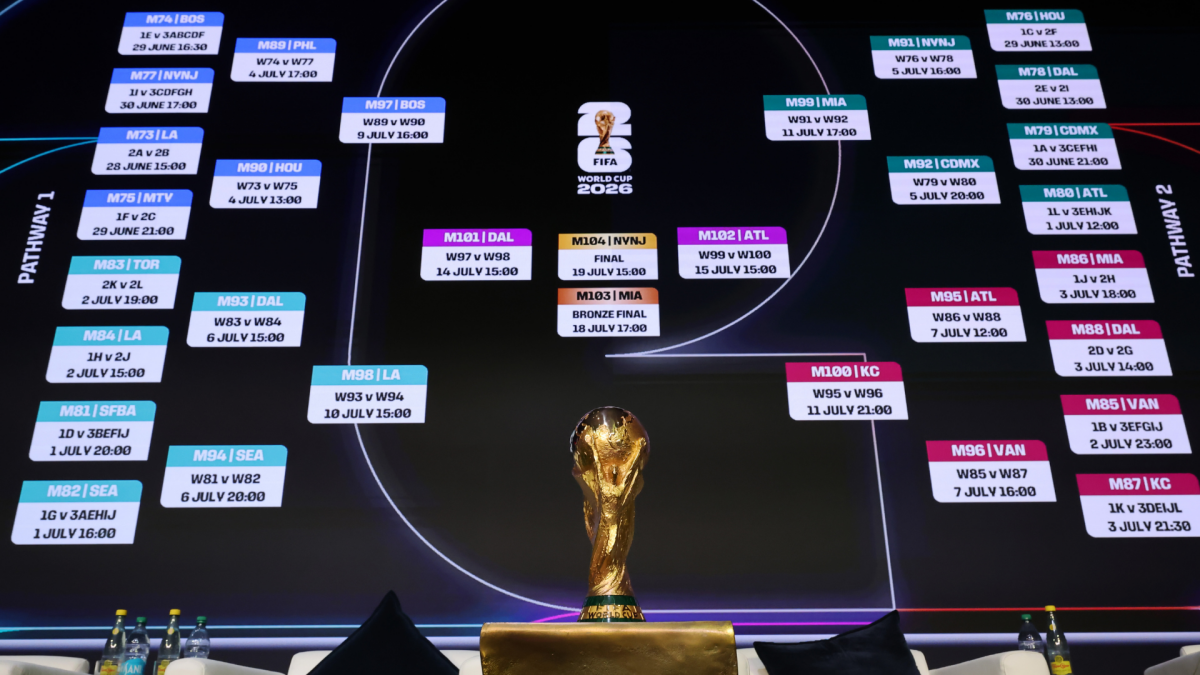
FIFA has finalised the structural framework for the 2026 World Cup, confirming a record participation of 48 teams divided into 12 groups. The group stage is scheduled to run from 11 June to 27 June 2026, marking the largest iteration of the tournament in its history. This expansion necessitates a more complex qualification pathway than previous editions, which typically featured 32 teams and eight groups.
Under the new regulations, the top two teams from each of the 12 groups will automatically advance to the knockout rounds. Additionally, the eight best third-placed teams will progress, requiring a total of 72 matches in the knockout phase to reduce the field. This represents a significant shift from the traditional format, where only the top two finishers from each group advanced and no third-placed teams progressed.
The criteria for ranking third-placed teams have been strictly defined to manage the increased complexity. Teams will be ranked first by points, followed by goal difference, goals scored, disciplinary conduct (based on yellow and red cards), and finally their FIFA ranking. This multi-tiered system introduces potential permutations that could determine advancement for teams such as Scotland or Sweden, depending on results across other groups.
FIFA has published the full group stage schedule, detailing fixtures for all 12 groups. Group F features Australia, Turkiye, the United States, and Paraguay, while Group N includes England, Croatia, Ghana, and Panama. Other notable groupings include Group E with Brazil, Morocco, Haiti, and Scotland, and Group L containing Argentina, Algeria, Austria, and Jordan. The schedule ensures matches are distributed across the three-week window, with final group games concluding on 27 June.
Concurrent with the tournament preparations, the attorneys-general of New York and New Jersey have issued subpoenas to FIFA regarding ticket sales practices. The investigation focuses on the accuracy of seat allocations and the use of dynamic pricing structures, particularly for matches at MetLife Stadium. Authorities allege that these pricing models resulted in costs exceeding previous tournaments and that fans may have been misled regarding seat locations. This civil inquiry is distinct from other ongoing US legal matters, such as the closed criminal probe into Federal Reserve chair Jerome Powell.
The 2026 World Cup structure demands close monitoring of group dynamics, as the advancement of third-placed teams adds a layer of strategic uncertainty. With 72 knockout matches required to determine the winner, the tournament will test the logistical and competitive endurance of participating nations. FIFA’s release of the schedule and standings rules provides the necessary framework for media and fans to track the progression of teams from the initial group stage through to the final.