FIFA conduct score rules explained as 2026 World Cup group stage concludes
With Mexico and the United States securing early group victories, attention turns to the team conduct score as a potential arbiter for knockout round qualification.
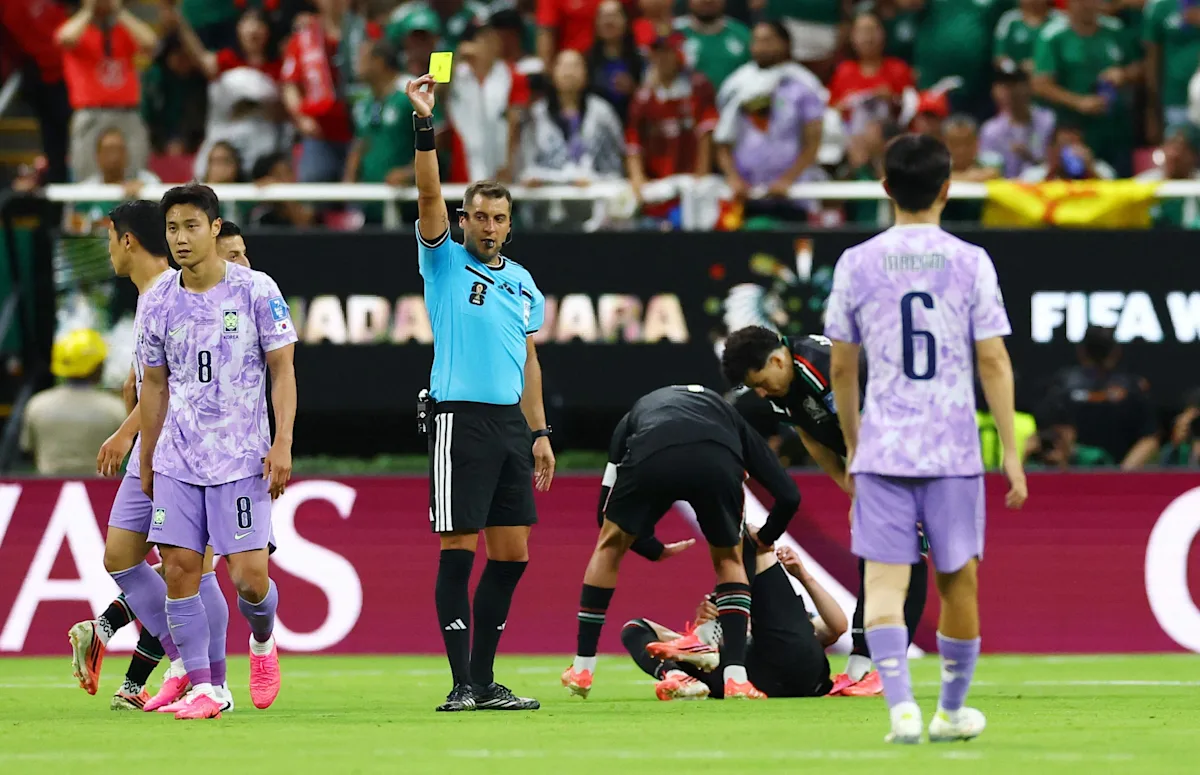
As the group stage of the 2026 FIFA World Cup draws to a close, the focus has shifted from match results to the administrative mechanics of qualification. Mexico and the United States were the first nations to secure group victories, but with 30 other teams still vying for spots in the Round of 32, the tournament’s expanded structure has elevated the importance of disciplinary metrics. Specifically, the 'team conduct score' has emerged as a critical tiebreaker in the absence of clear statistical separation between competing nations.
The team conduct score is a calculation of infractions accrued by a squad throughout the tournament, encompassing both players and team officials. The metric is derived from a points system where an indirect red card, resulting from a second yellow card, deducts three points from a team’s total. A more severe infraction, involving a yellow card combined with a straight red card, results in a five-point deduction. As teams accumulate cards, this running total determines their standing in the event of a deadlock.
FIFA employs a structured, multi-step process to resolve ties within groups. The initial assessment relies on points, goal difference, and goals scored in group matches. If teams remain level after these primary statistical measures, the evaluation moves to a secondary tier. This tier considers goal difference and goals scored across all group matches before applying the team conduct score as the final arbiter. Should the conduct score fail to break the tie, the teams are ranked according to the most recent FIFA World Rankings.
The application of this metric is distinct for teams finishing in third place. With the tournament expanded to 48 teams, the top two sides from each group advance automatically, while the eight best third-place teams fill the remaining spots in the knockout stage. For these third-place rankings, the conduct score is not utilised. Ties among third-place finishers are resolved through points, goal difference, and goals scored, with the FIFA World Rankings serving as the ultimate tiebreaker if necessary.
Current standings and conduct scores were last updated following Group A matches on June 24. The precision of these rules highlights the regulatory complexity of the first 48-team World Cup, where administrative tiebreakers may ultimately dictate which nations progress to the Round of 32.