FIFA 2026 Base Camps Finalised: Strategic Locations and Security Protocols for 48 Nations
As the 2026 FIFA World Cup approaches, participating nations have secured base camps from a FIFA-approved catalogue. Linxi News examines the strategic, security, and logistical implications of these locations for the tournament’s 48 teams.
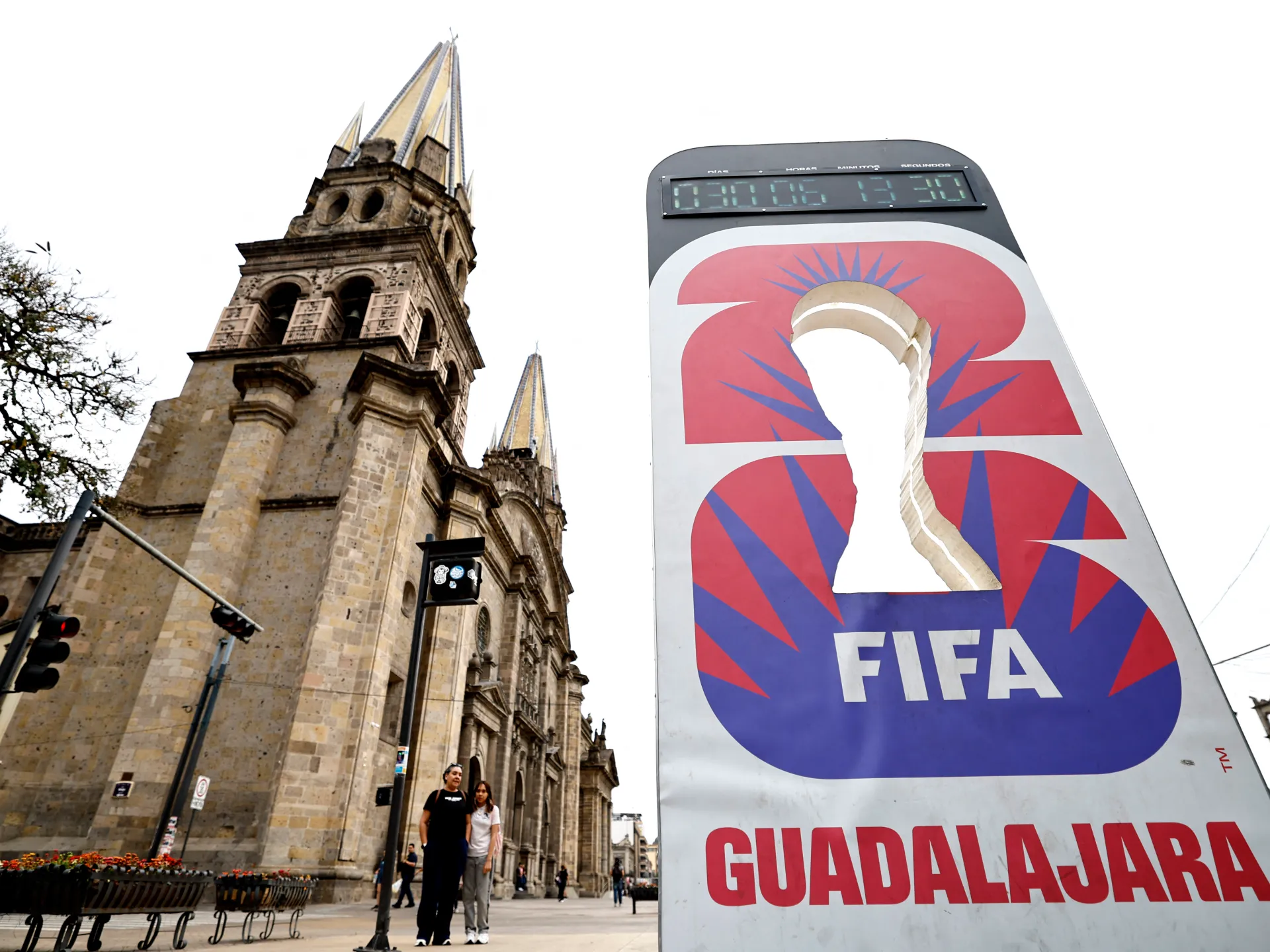
As the 2026 FIFA World Cup approaches its June 11 kickoff across the United States, Mexico, and Canada, all 48 participating nations have finalised their base camps. Teams selected facilities from a FIFA-approved catalogue, utilising a mix of sports complexes, university facilities, and hotels. These camps primarily serve as accommodation and training hubs during the group stage (June 11–27), with knockout-stage qualifiers having the option to relocate closer to subsequent match venues.
The selection of base camps has introduced significant security and diplomatic considerations. Iran’s presence at the tournament remains contentious, with US President Donald Trump stating the team might not be safe in the country despite FIFA’s insistence on participation. Iran has established its base camp in Tucson, Arizona, at Arizona Athletic Grounds, where preparations are proceeding amid ongoing political tensions regarding their attendance.
Host nations hold a distinct logistical advantage, benefiting from climate acclimatisation, home crowd support, and reduced travel requirements. Mexico has established its base camp in Mexico City at the Centro de Alto Rendimiento, adjacent to the Azteca Stadium. Canada has similarly leveraged its host status, setting up its base camp in Vancouver at the National Soccer Development Centre. The United States Men’s National Team is based at the Great Park Sports Complex in Irvine, California, situated on a retired military airbase.
Security protocols have been heightened for several high-profile teams. The defending champions, Argentina, are based in Kansas City, Missouri, with heightened security at the Sporting KC Performance Center. France, a top favourite to win the tournament, will stay near Bentley University in Massachusetts, with the university confirming that additional security measures will be implemented to ensure safety on campus while courses continue without interruption.
The geographic distribution of base camps reflects strategic planning for group-stage fixtures. Several teams, including Haiti, Morocco, and New Jersey-based squads, have chosen New Jersey for its proximity to multiple group-stage matches. England and Argentina share the Kansas City base, while Saudi Arabia will train at the home of Austin FC in Texas. The US hospitality sector is currently finalising preparations to accommodate the influx of international delegations and their support staff.
Knockout-stage qualifiers will have the flexibility to extend their stay at their initial base camp or relocate closer to their next match venue. This logistical flexibility is designed to minimise travel fatigue and maintain performance levels as the tournament progresses towards the final at MetLife Stadium in New Jersey on July 19. The final will feature the first half-time show in FIFA World Cup history, curated by Coldplay’s Chris Martin.
The base camp arrangements underscore the complex interplay between sporting logistics, national security, and diplomatic relations. As teams acclimatise and prepare for their opening matches, the chosen locations will serve as the operational hubs for their World Cup campaigns, with implications for both performance and political stability throughout the tournament.