FIA Imposes Circuit-Specific Power Restrictions for 2026 Monaco Grand Prix
The governing body has mandated a 50/50 power split and banned active aerodynamics to address excessive torque generated by frequent braking zones.
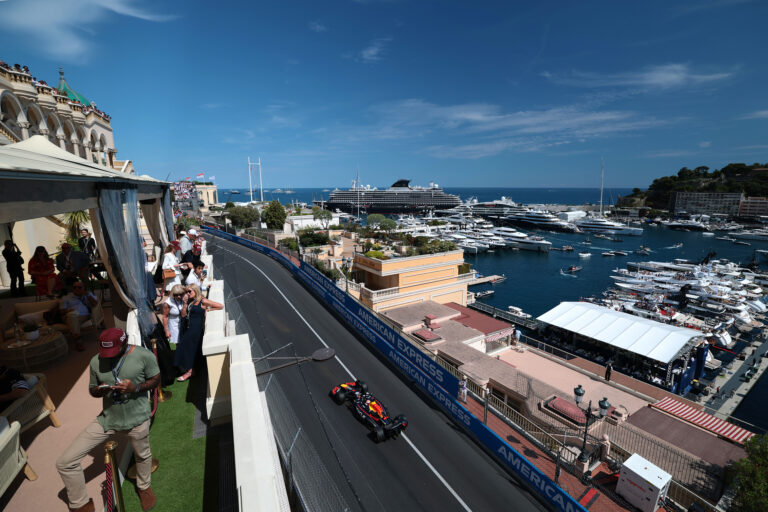
The Fédération Internationale de l'Automobile (FIA) has introduced a unique, circuit-specific engine restriction for the 2026 Monaco Grand Prix to address safety concerns arising from the new hybrid power units. The 2026 regulations feature high-torque engines with significant electrical energy capacity. While teams typically manage battery drain at most circuits, Monaco’s layout—characterised by frequent braking and heavy deceleration—causes cars to regenerate electricity faster than it can be utilised, creating a potential safety hazard due to excessive torque. To mitigate this, the FIA has mandated a bespoke "Rev 1" engine map, a 50/50 power split between the internal combustion engine and the MGU-K, and a ban on active aerodynamics.
The regulatory intervention stems from the specific technical challenges presented by the 3.337-kilometre Monaco circuit. Drivers navigate approximately 15 braking zones per lap, spending roughly 19 seconds under heavy deceleration. This layout inverts the standard energy management dynamic, causing cars to regenerate electricity faster than they can consume it. Without intervention, the overabundance of electrical energy would allow cars to accelerate too violently toward the narrow braking zones, posing a significant risk of crashes into the barriers.
To neutralize this threat, the FIA has enforced a hard cap on battery recharge, limiting it to 9 megajoules per lap during qualifying sessions. The governing body is also implementing a strict 50/50 power split between the internal combustion engine and the MGU-K. This measure is designed to prevent the electric motor from delivering its full 350 kW output, which under standard 2026 regulations is available until speeds reach 290 km/h.
A central component of the mandate is the introduction of a "Rev 1" engine map tailored specifically for Monaco. This map forces electrical power assistance to taper off aggressively starting at 200 km/h. By the time a car reaches 300 km/h, battery assistance drops to absolute zero. This restriction effectively eliminates straight-line engine advantages, forcing overtaking to rely strictly on mechanical grip and chassis compliance.
The FIA has also banned the use of active aerodynamics for the event. This combination of technical restrictions aims to create a more controlled racing environment where performance is determined by driver skill and car setup rather than raw electrical power. The move represents an unprecedented level of governing body intervention for a specific track, highlighting the unique challenges posed by the new hybrid era in Formula 1.
The implementation of these rules underscores the complexity of the 2026 technical regulations. While the new power units offer increased performance and efficiency, their application on tight, low-speed circuits like Monaco requires careful calibration to ensure safety. The FIA’s decision to impose these specific limits reflects a proactive approach to managing the transition to hybrid technology, ensuring that the sport remains competitive and safe across all track types.