Ferrari’s electric gamble: Luce design backlash triggers market volatility and strategic scrutiny
Shares in Ferrari fell significantly following the unveiling of the Luce, though the stock has since recovered, as analysts weigh the impact of aesthetic controversy against potential strategic pivots in key markets.
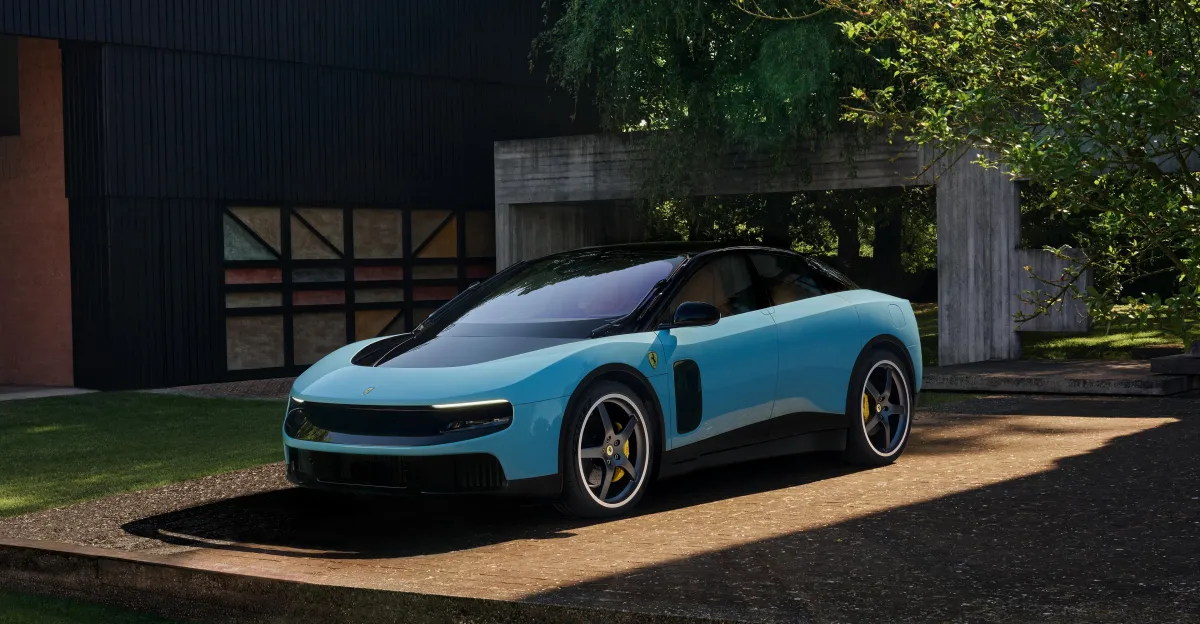
Ferrari’s unveiling of the Luce, its first all-electric vehicle, has sparked intense scrutiny across the automotive industry and financial markets. Priced at over $640,000, the vehicle was developed in partnership with Jony Ive and Marc Newson through their design firm LoveFrom. The car features four motors generating 1,035 horsepower and an estimated electric range of 500 km. However, the aesthetic choices have drawn widespread criticism, with design experts and public figures describing the vehicle as bland and unrecognisable as a Ferrari.
The backlash has had immediate financial implications. Ferrari’s share price fell approximately 8 per cent in Milan and 5.3 per cent in New York following the unveiling. Analysts attributed the dip to a combination of negative design reception, often termed "design hate," and investor concerns regarding research and development costs and return on investment. Despite the initial volatility, the stock has since recovered to pre-launch levels.
Critics have been vocal about the vehicle’s departure from Ferrari’s traditional design language. Luca di Montezemolo, the former president and chairman of Ferrari, suggested the design risks destroying the brand’s myth and proposed the removal of the prancing horse logo. Italian Deputy Prime Minister Matteo Salvini also publicly criticised the aesthetic. Raphael Zammit, chair of transportation design at the College for Creative Studies, described the front end as generic and the proportions incorrect for the brand, noting that the design lacks the visual agility associated with Ferrari’s heritage.
Ferrari CEO Benedetto Vigna has defended the company’s direction, stating that customer interest remains strong, particularly among new buyers. Vigna, who took over in 2021, has described the Luce as a "leapfrog moment" for the company. Stephanie Brinley, an automotive analyst at S&P Global Mobility, suggested that the blowback may be intensified by the current economic and political climate, but predicted the event would likely be a blip in Ferrari’s overall history rather than a permanent damage to its legacy.
The controversy has also highlighted broader strategic shifts within the luxury automotive sector. Analysts suggest Ferrari may be targeting the Chinese market, where electric vehicles are mainstream and domestic brands are launching ultraluxury EVs. This potential pivot draws parallels to BMW’s previous design adjustments for China, which drew mockery in Western markets. Meanwhile, Lamborghini CEO Stephan Winkelmann commented on the industry shift, stating that his company’s decision to focus on plug-in hybrids rather than pure EVs was the right way to go.
