Ferrari CEO dismisses Luce backlash as Texas AV data reveals Waymo dominance
While public opinion remains polarised over Ferrari’s first all-electric car, CEO Benedetto Vigna cites existing orders. Meanwhile, new Texas licensing laws provide the first clear picture of the autonomous vehicle landscape, with Waymo leading registrations.
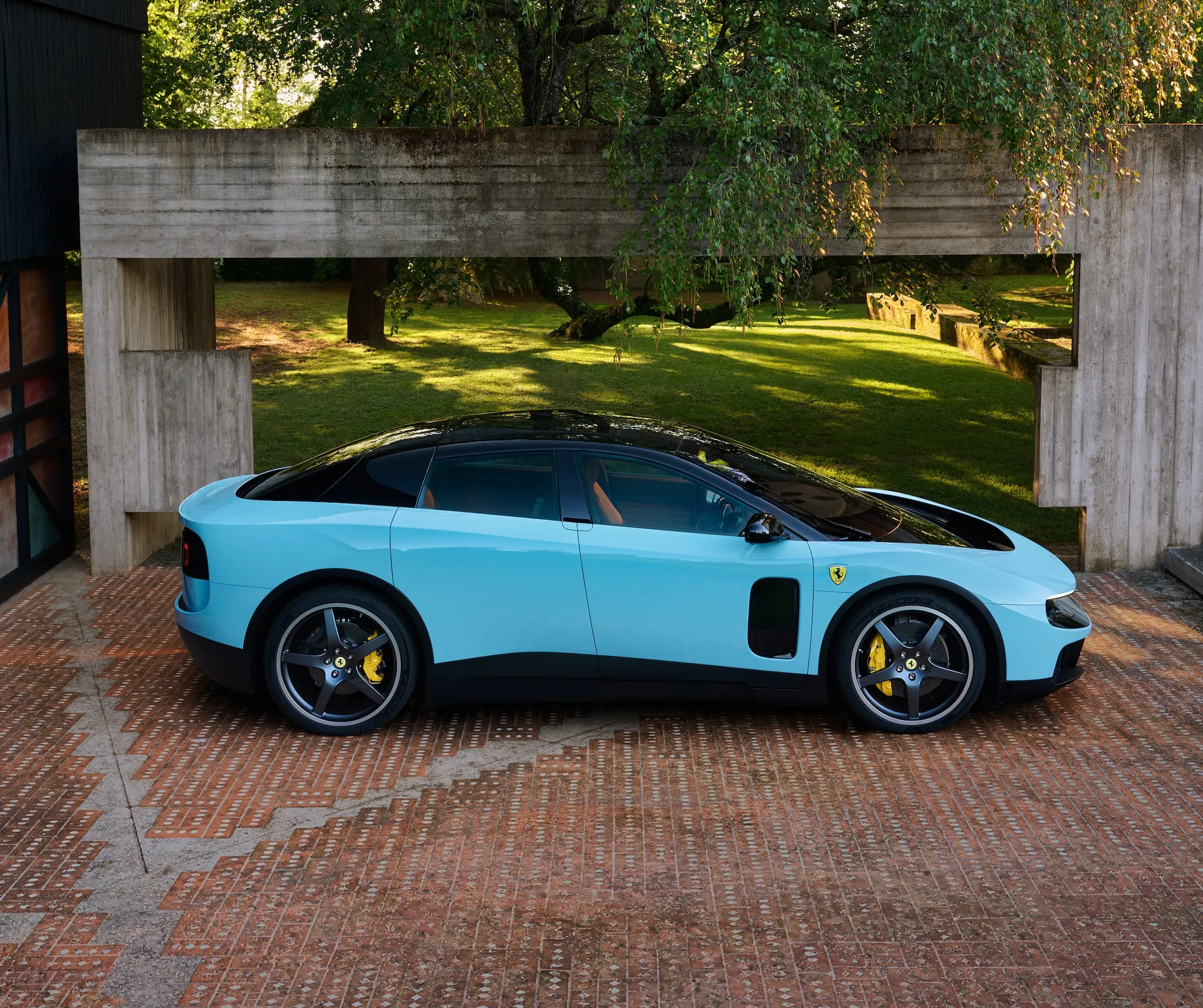
Ferrari CEO Benedetto Vigna has stated that demand for the company’s first all-electric vehicle, the Luce, remains strong despite widespread public criticism. The five-seater, designed by Apple veteran Jony Ive and priced at approximately $650,000, has faced a polarising reception online, with critics comparing its aesthetic to cheaper models such as the Nissan Leaf. However, Vigna confirmed that the vehicle is already receiving orders from both new and existing customers.
The sales dynamic appears heavily skewed toward the brand’s loyalist base. Data indicates that more than 80 per cent of the 14,000 individuals who purchased a Ferrari last year were repeat buyers. This suggests that the Luce is primarily targeting existing owners looking to expand their garages, a strategy that may insulate the automaker from broader consumer sentiment. The Purosangue SUV, which faced similar initial scepticism, serves as a precedent for how Ferrari can achieve commercial success despite early negative press.
In the regulatory sector, a new Texas law has mandated that autonomous vehicle companies licence their operations, with data made public by the Department of Motor Vehicles. An analysis of this new registry shows Waymo leading the field with 577 registered vehicles. It is followed by Avride with 317, Nuro with 47, and Tesla with 42. Other notable entities such as Aurora, Gatik AI, Kodiak AI, and Waabi also hold licences, though many have not yet launched commercial services in the state.
Crucially, the public record shows no complaints have been filed against these leading companies as of the report date. Waymo is also expanding its fleet capabilities, beginning deployments of its new all-electric Ojai robotaxi in Los Angeles, Phoenix, and San Francisco. The Ojai, a modified Zeekr minivan, is engineered to reduce operational costs and withstand high-volume use.
Beyond the automotive sector, TechCrunch Mobility highlighted several corporate developments and industry shifts. American Airlines plans to install Starlink internet on more than 500 narrow-body Airbus aircraft starting early next year. In other news, Volvo Cars received authorisation from the US Commerce Department to continue importing vehicles despite a January 2025 law targeting Chinese-connected technology. Additionally, Rivian is scheduled to begin deliveries of its R2 SUV on June 9, while Slate Auto prepares to announce pricing for its low-cost electric vehicle.
