Fed’s Musalem warns against relying on AI to tame inflation
Alberto Musalem cautions that inflation remains above target and expectations are drifting, urging a vigilant monetary stance despite market optimism surrounding artificial intelligence.
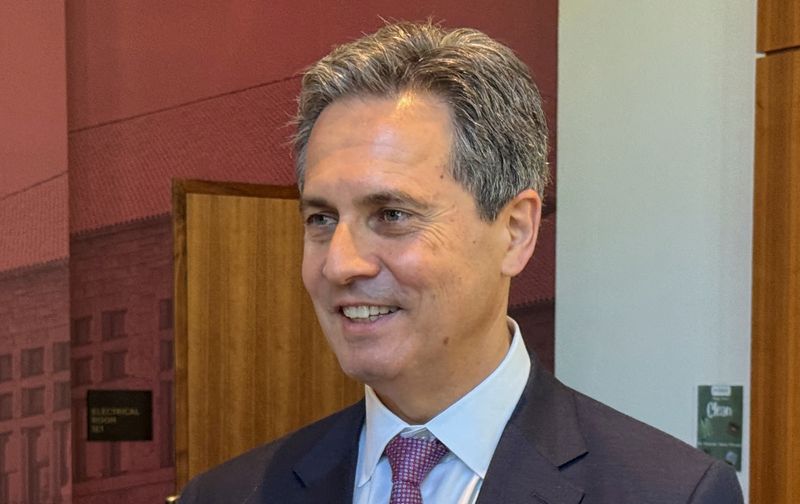
St Louis Federal Reserve President Alberto Musalem has cautioned against easing monetary policy on the assumption that artificial intelligence will drive productivity gains sufficient to lower inflation. Speaking at a conference in Reykjavik, Musalem argued that current inflation remains above the 2% target and long-term expectations are drifting higher, necessitating a vigilant stance. He noted that the real policy rate is currently below the Fed’s notion of long-run neutral, but warned that premature rate cuts could undermine confidence in the inflation target.
Musalem stated that the "real policy rate" is currently sitting below the Fed's notion of long-run neutral. He noted that while pressures from AI on demand for chips and data centres are evident, the jury is still out on how much AI will actually add to productivity. Musalem indicated he is prepared to adjust his policy views if clear evidence emerges that higher productivity growth is likely to ease inflation pressures. The remarks were prepared for delivery to a Central Bank of Iceland and Northwestern University economic conference.
This view contrasts with perspectives held by some members of the Trump administration and Fed Chairman Kevin Warsh, who are more optimistic about AI’s potential to boost growth. Recent economic data shows mixed signals: the Personal Consumption Expenditures (PCE) index rose by 0.4% in April, while core PCE advanced 0.2% month-on-month. US stock markets rose on the day of the remarks, with the Dow Jones Industrial Average gaining 0.8%, partly driven by news of a US-China summit and approvals for Nvidia chip sales.
Musalem is the latest Federal Reserve policymaker to push back on the idea that AI will boost productivity growth, allowing for lower interest rates. He argued it would be risky for the US central bank to ease monetary policy based on the prospect of future AI-driven productivity gains. He advocated for maintaining vigilant monetary policy to restore price stability, citing inflation running meaningfully above the 2% target and longer-term inflation expectations drifting higher.
Musalem cautioned that moving or holding policy rates too low could undermine confidence in the inflation target, potentially causing longer-term interest rates to rise and discouraging investment. He stated that if the evidence becomes clear that higher productivity growth is likely to ease inflation pressures, he is prepared to adjust his policy views. However, for now, he added, the jury is out on how much AI will add to productivity, even as the pressures it is already putting on demand for chips and data centres are evident.
Acting now on the basis of faith in the future impact of AI on inflation could be counterproductive, Musalem argued. Moving or holding policy rates too low could actually cause longer-term interest rates to rise if the public questions whether the Fed will ever bring inflation back to the 2% target. That would discourage investment and have detrimental effects on economic growth and employment.
The remarks come amidst mixed economic data, with April’s Personal Consumption Expenditures (PCE) index rising 0.4%, and global markets reacting positively to a US-China summit and approvals for Nvidia chip sales. Musalem’s comments highlight the tension between market optimism regarding technological disruption and the central bank’s mandate to maintain price stability.