Federal Reserve holds rates steady as historic board division emerges
The central bank pauses rate cuts while Chair Powell reinforces institutional independence amid political pressure
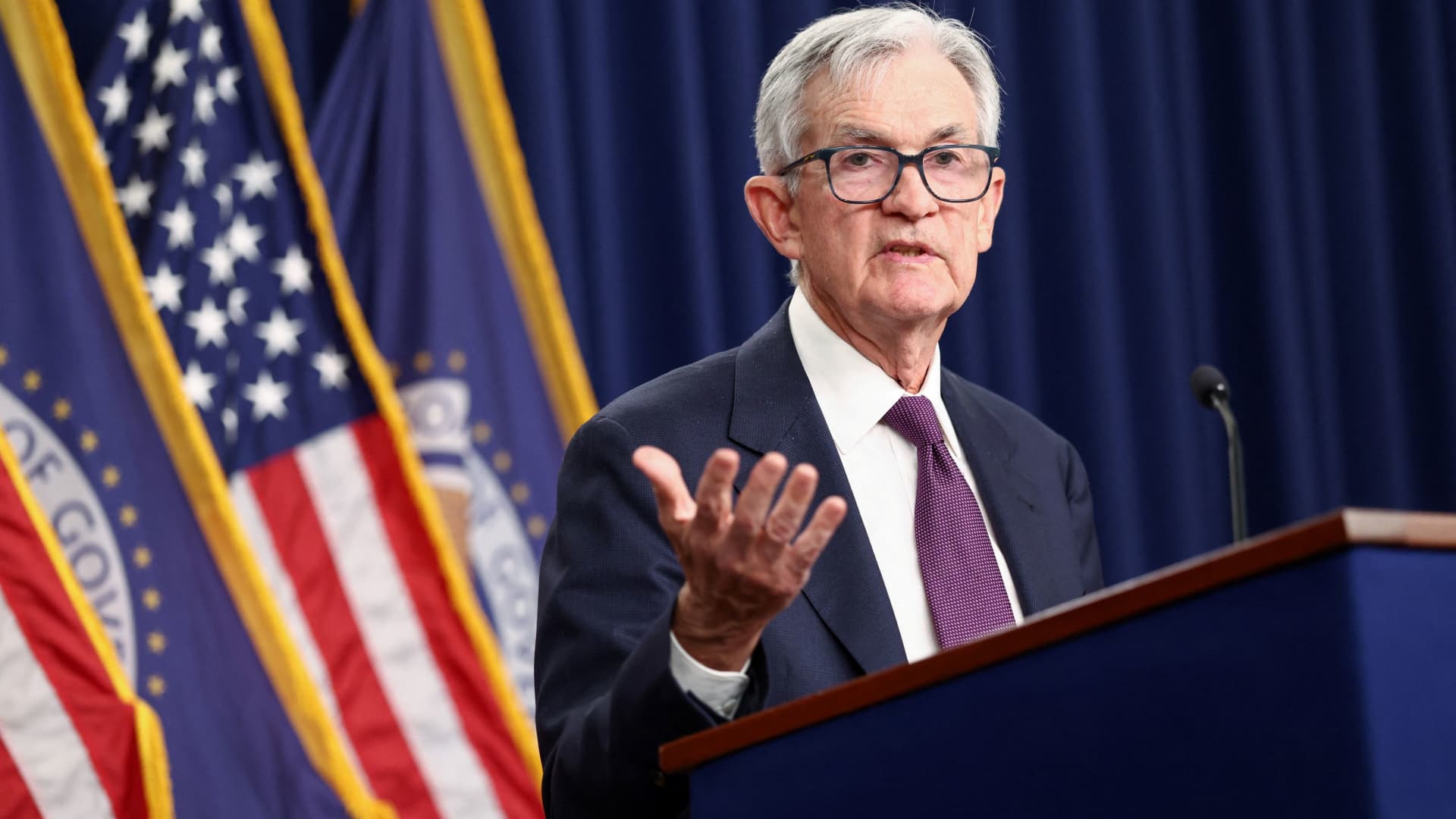
The Federal Reserve announced on Wednesday that it has kept interest rates unchanged, a decision that marks the highest level of dissent among voting members since 1992. This significant internal division highlights the complexity of the current economic landscape as the board grapples with conflicting pressures on inflation and growth.
Rising oil prices have emerged as a primary catalyst for the debate among governors regarding the appropriate monetary policy stance. The volatility in global commodity markets is directly impacting domestic inflation expectations, creating a difficult environment for the central bank to determine the precise timing for future rate adjustments.
Geopolitical tensions, specifically the situation involving Iran, are identified as a critical variable influencing the Fed's forward-looking assessment. The persistence of these international conflicts complicates the economic outlook, making the decision to hold rates steady a cautious move to avoid premature policy shifts that could destabilise markets further.
In a separate but related development, Federal Reserve Chair Jay Powell has publicly confronted President Donald Trump regarding recent attacks on the central bank. This public stand has been viewed as a pivotal moment that reinforces the institutional independence of the Federal Reserve, underscoring the ongoing tension between political leadership and the autonomy required for effective monetary policy.
The combination of internal disagreement, external commodity shocks, and political friction suggests a period of heightened uncertainty for investors and institutions. Market participants will be closely watching how the board navigates these divergent views in subsequent meetings to ensure that monetary policy remains aligned with its dual mandate.