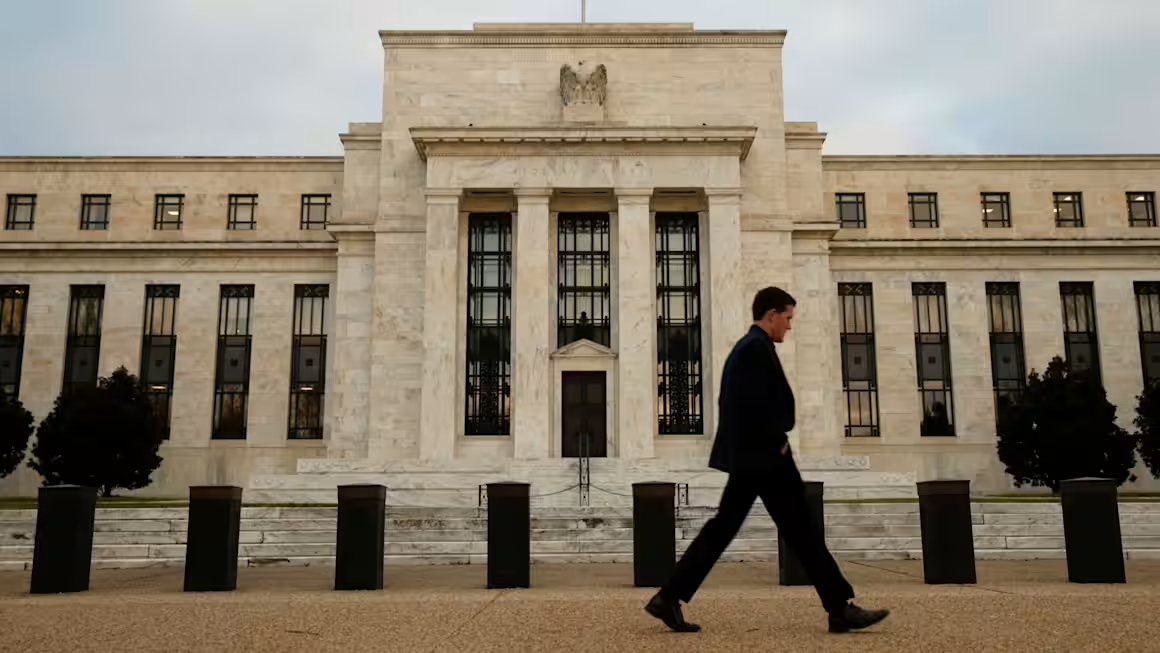
Federal Reserve expected to hold rates steady as strong jobs data clashes with inflation fears
April payrolls surge to 115,000, but rising energy costs and geopolitical tensions keep the central bank focused on its inflation mandate
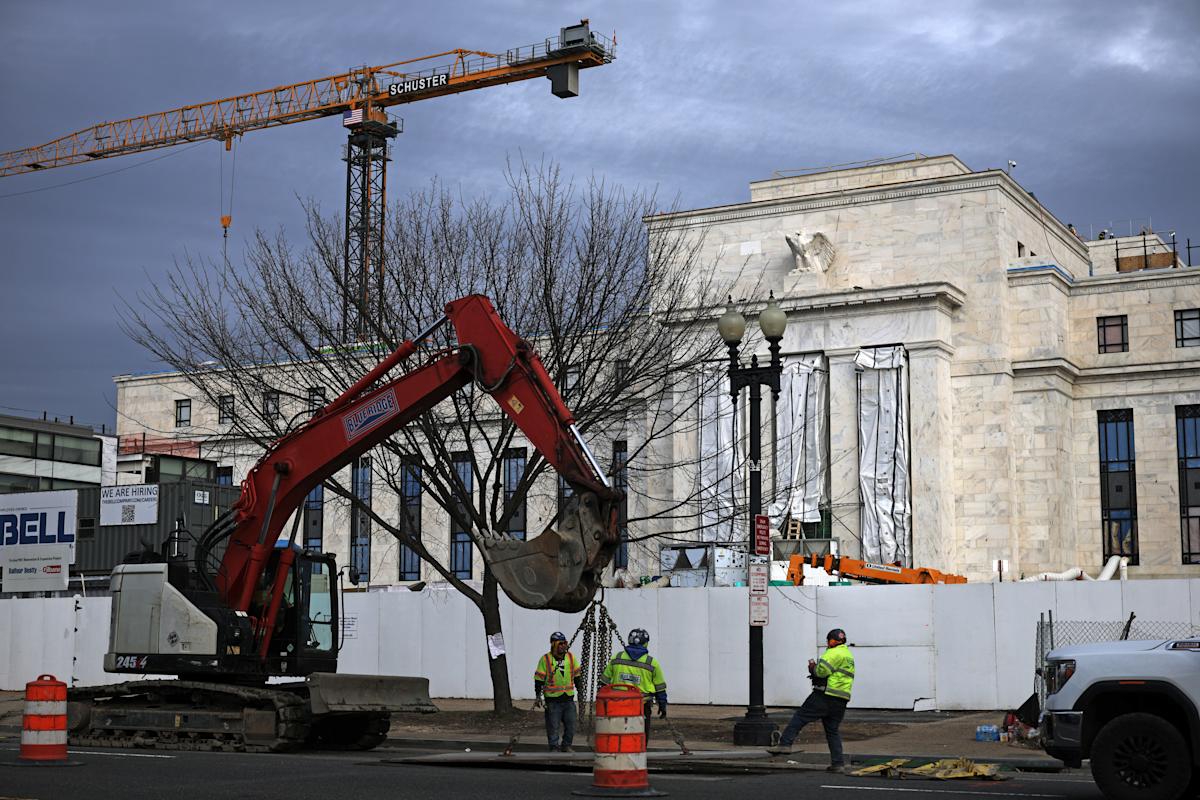
The Federal Reserve is expected to maintain its current interest rate stance following a robust April jobs report that significantly exceeded market expectations. Nonfarm payrolls added 115,000 positions in April, a figure that trumped analyst forecasts of 65,000, while the unemployment rate remained unchanged at 4.3%. This data suggests the domestic labour market remains resilient despite broader global uncertainties.
While job growth has historically been concentrated within the healthcare sector, recent figures indicate a broadening trend across other industries. Payroll gains were recorded in transportation, warehousing, and retail, although manufacturing jobs slid and federal government employment continued to decline. Despite the volatility seen earlier this year, the consistency of the unemployment rate has provided a stable foundation for institutional investors monitoring the domestic economy.
However, Federal Reserve officials have explicitly stated that inflation driven by war and energy prices is now the primary concern, outweighing job market stability. Cleveland Fed president Beth Hammack and St. Louis Fed president Alberto Musalem highlighted that high energy costs could dampen consumer spending and force businesses to delay hiring. This shift in focus comes as the Personal Consumption Expenditures index, the Fed's preferred inflation gauge, rose 3.5% in March on a headline basis.
The leadership transition at the central bank coincides with this economic backdrop, as Kevin Warsh prepares to assume the role of Federal Reserve chair in one week. Warsh will take over at a time when tariffs have contributed to increased goods prices, compounding inflationary pressures alongside energy costs. The incoming chair will inherit a mandate where the focus has shifted heavily toward inflation, which has remained above the 2% target for over five years.
Labour force participation also presents a nuanced picture, clocking in at 61.8% and declining from 62.5% in January. Fed officials noted that high energy prices and economic uncertainty are causing businesses to delay hiring, with one CEO citing uncertainty as the reason for not bringing new staff on board. This dynamic suggests that while headline numbers look strong, underlying hiring decisions are being constrained by external economic headwinds.
With solid job data leaving the Fed in a position of watching and waiting, rate cuts are not expected on the near-term horizon. Instead, the absence of immediate inflationary threats in the latest report may quiet chatter about potential rate hikes, though the central bank remains vigilant regarding the sustained impact of war and energy prices on the broader economy.