Federal Lawsuit Challenges State Mandates for ICE Agent Identification
The US government has initiated legal proceedings against five states and Philadelphia over legislation requiring Immigration and Customs Enforcement officers to display individual identifiers, a move critics say undermines accountability for recent fatal shootings.
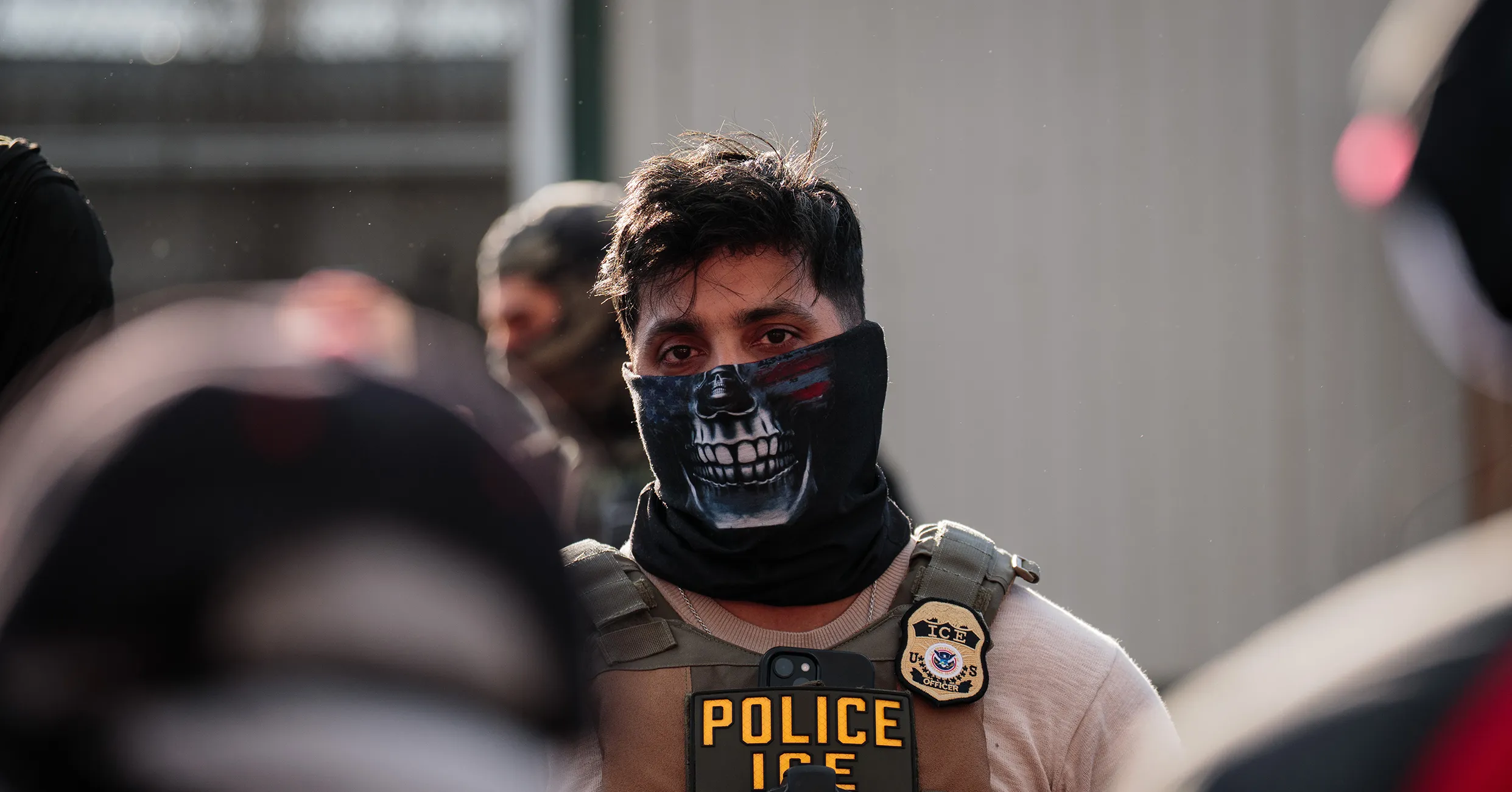
The Trump administration has filed lawsuits against at least five US states and the city of Philadelphia, challenging legislation that prohibits Immigration and Customs Enforcement (ICE) officers from wearing masks during raids and mandates the use of individual identifiers. Federal lawyers argue that requiring agents to show their faces endangers them by facilitating facial recognition searches and doxing, specifically citing an art project known as ICESpy as a mechanism for such threats.
ICESpy’s creator, artist Kyle McDonald, disputes the efficacy of the threat, noting that the software relies on outdated LinkedIn data from nearly a decade ago and cannot accurately identify current agents. WIRED reviewed a version of the ICESpy list, finding that most entries held executive, administrative, or legal roles, with only 39 people listed as “deportation officer” and 27 with related enforcement titles.
ICE announced in January that it had more than doubled its agent count from 10,000 to 22,000; none of these new agents would be in the ICESpy database unless they had held a different ICE job in 2018. Activity logs for ICESpy between June 30 and July 6 showed only 84 page views and two face-match attempts, both of which the creator deemed unsuccessful and not a threat.
Another site, ICE List, is also cited by the federal government, but its maintainer, Dominick Skinner, says it relies mostly on manual research and that computational face recognition success is “overblown.” Skinner noted that the site recently helped identify an agent involved in a fatal shooting in Maine, but emphasised that it does not post home addresses or family information, distinguishing it from traditional doxing.
Virginia state senator Saddam Salim and Connecticut state senator Bob Duff defended their respective state laws as necessary responses to unconstitutional federal behaviour and poor training among ICE agents. Lawmakers cited recent fatal shootings by ICE agents and alleged misconduct by the agency's internal watchdog as justification for the identification mandates.
The Department of Justice did not provide specific numbers regarding successful identifications via these tools, with spokesperson Kiersten Pels stating that individuals have used such sites to harass officers. However, state lawmakers maintain that the laws are essential for democracy and justice, arguing that federal officials should prioritise accountability over blocking state-level safety measures.
