Federal jury dismisses Musk’s OpenAI lawsuit on procedural grounds
US District Judge Yvonne Gonzalez Rogers adopts jury’s recommendation, leaving substantive claims regarding breach of trust unexamined as Musk’s team prepares to appeal.
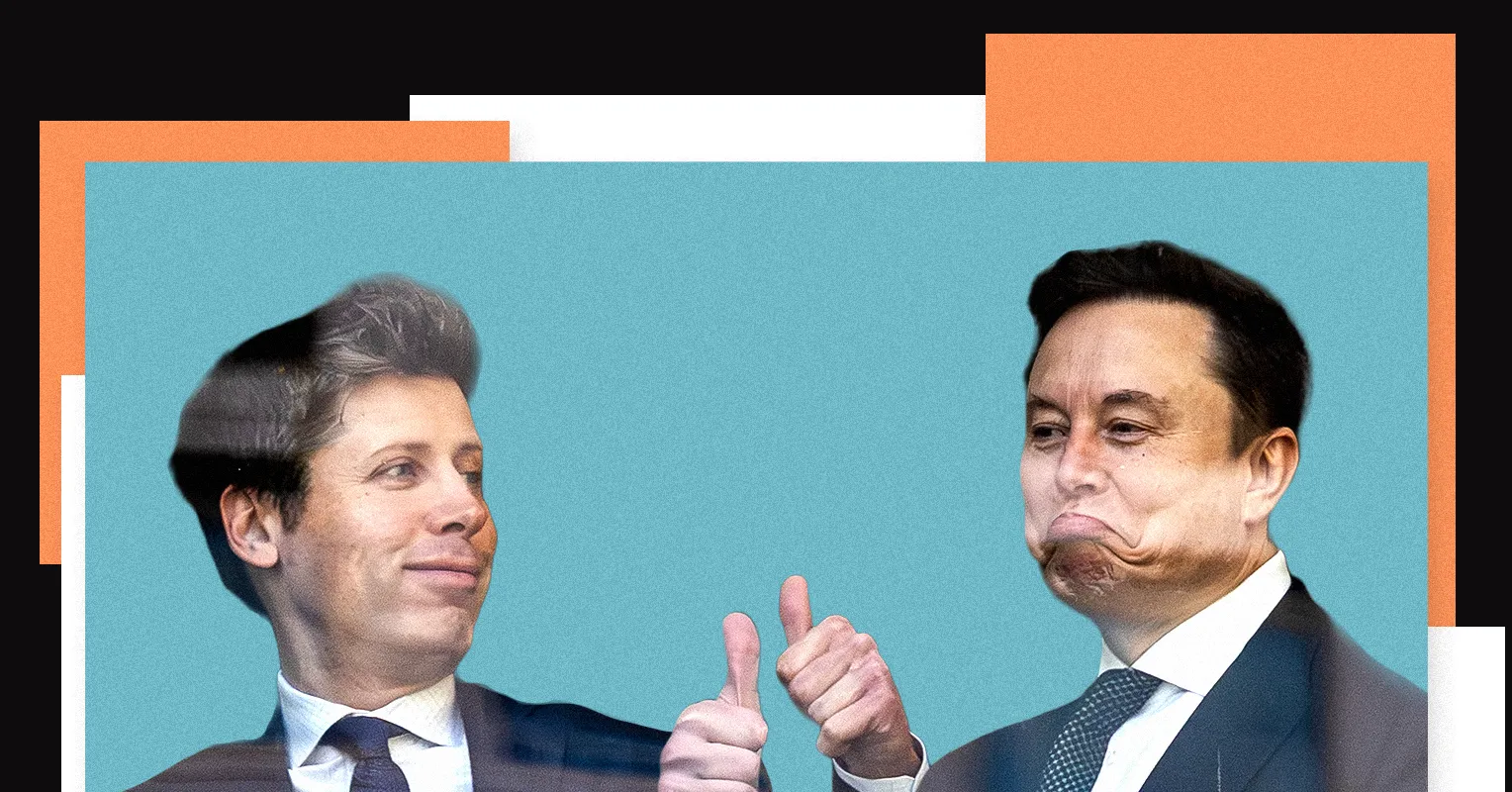
A federal jury in Oakland, California, has delivered a unanimous verdict in favour of OpenAI, dismissing the high-profile lawsuit initiated by Elon Musk on the grounds that the claims were filed after the statutes of limitations had expired. The nine-member panel deliberated for less than two hours before reaching its decision, which was subsequently adopted immediately by US District Judge Yvonne Gonzalez Rogers as her final ruling.
The trial, which spanned three weeks, centred on Musk’s allegations that OpenAI executives Sam Altman and Greg Brockman, aided by Microsoft’s financial backing, had steered the organisation away from its original nonprofit mission. However, because the jury determined the case was time-barred, the court did not rule on the substantive claims of breach of charitable trust, unjust enrichment, or aiding and abetting. Consequently, the jury did not weigh in on the merits of the allegations regarding the company’s transformation into a massive enterprise.
During the proceedings, significant details emerged regarding the personal conduct and wealth of Altman and Brockman, as well as the logistical demands placed on the executives. Both leaders were required to spend tens, if not hundreds, of hours on depositions and court appearances, pulling them away from their day-to-day responsibilities. In contrast, Musk testified for approximately three days before departing the jurisdiction, later flying to China for President Donald Trump’s state visit.
OpenAI’s legal team characterised the litigation as a “gloriously” played out pageant of hypocrisy, with attorney William Savitt criticising Musk’s absence from the courtroom during the trial. Savitt noted the surprise of the legal team at Musk’s decision to travel abroad rather than remain available for potential further testimony, highlighting the strategic disconnect between the plaintiff’s actions and the demands of the legal process.
Musk’s lead counsel, Marc Toberoff, confirmed the intention to appeal the decision, offering a single word to reporters: “Appeal.” The dismissal leaves the substantive disputes unresolved and adds uncertainty to OpenAI’s reported plans for an initial public offering, which remain subject to change following the conclusion of this legal chapter.
