Federal judge clears path for Trump mail-in voting restrictions ahead of midterms
The final legal obstacle has been removed from a Donald Trump executive order, allowing new rules on voter data sharing and barcoded ballot envelopes to proceed before the upcoming midterm elections.
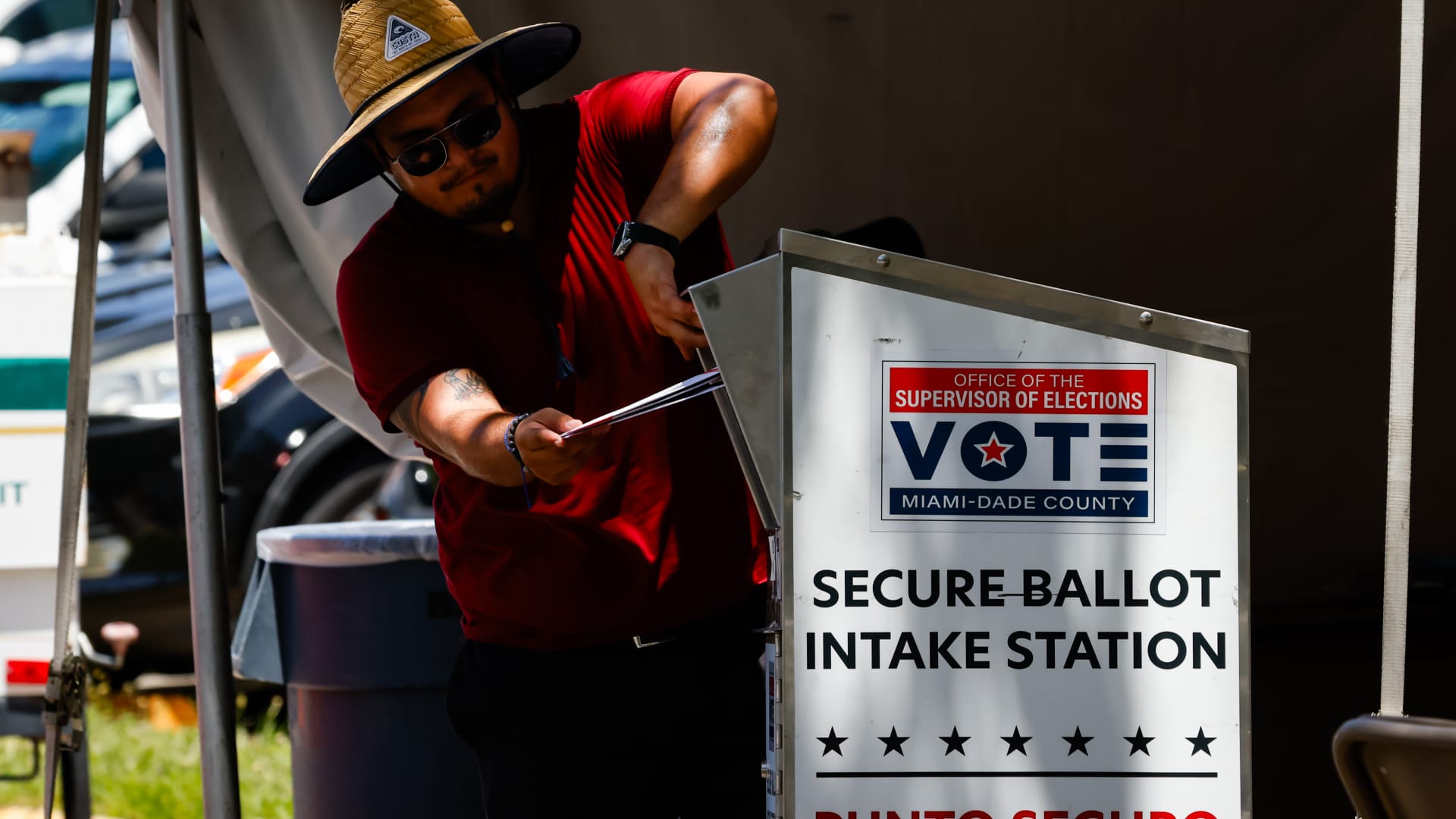
A federal judge has lifted the final legal block on a mail-in voting order issued by Donald Trump, clearing the way for new restrictions to take effect ahead of the United States midterm elections. The decision removes the last of several legal hurdles that had previously stayed the implementation of the executive action.
The rule, which is now unblocked, mandates specific changes to how election officials handle mail-in ballots. It requires these officials to provide voter information directly to the United States Postal Service (USPS), a move that integrates federal postal data with state-level election records.
Additionally, the order compels the use of uniquely barcoded ballot envelopes. These envelopes must undergo federal review, introducing a new layer of oversight into the physical components of the voting process. The barcoding is designed to track ballots through the system, though the specific mechanics of the federal review process were not detailed in the immediate reporting.
The timing of the decision is significant, as it allows the restrictions to be implemented before the midterm elections. This provides election administrators with a defined window to adjust their procedures to comply with the new federal requirements.
While the source material does not name the specific judge or the exact date the rules will become active, the lifting of the block is described as the decisive step that clears the path for enforcement. The order was originally issued by President Trump, and its survival through multiple legal challenges underscores the administration's push to standardise mail-in voting procedures.
For investors and institutions watching US policy, the shift represents a consolidation of federal power over state election logistics. The involvement of the USPS in handling voter data adds a new institutional dimension to the electoral process, potentially affecting operational costs and data privacy considerations for election boards.